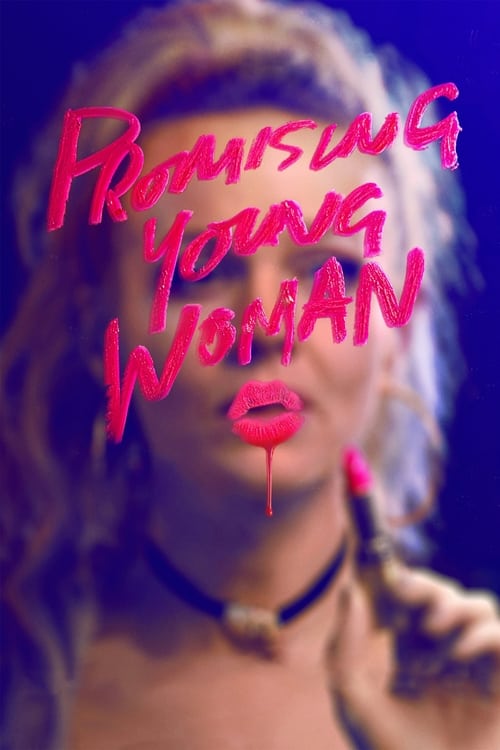
Promising Young Woman
2020 · Directed by Emerald Fennell
Woke Score
CriticCritic Score
Audience
Woke
Critics rated this 4 points below its woke score. Among Woke films, this critic score ranks #52 of 88.
Representation Casting
Score: 65/100
The cast includes Laverne Cox and reflects deliberate choices to include diverse performers, though representation functions more as inclusion than as central narrative focus.
LGBTQ+ Themes
Score: 10/100
Laverne Cox's presence provides LGBTQ+ representation, but the film contains no substantive LGBTQ+ thematic content or narrative engagement.
Feminist Agenda
Score: 85/100
Feminist consciousness is central and primary. The film examines institutional failure toward survivors, masculine complicity, and how women police other women's trauma responses.
Racial Consciousness
Score: 30/100
The film includes actors of color in significant roles but does not foreground racial identity or systemic racism as thematic concerns.
Climate Crusade
Score: 0/100
No climate activism, environmental consciousness, or climate-related messaging is present in the film.
Eat the Rich
Score: 0/100
The film contains no anti-capitalist critique or commentary on economic systems and exploitation.
Body Positivity
Score: 0/100
No body positivity messaging, fat activism, or disability representation centered on bodily autonomy appears in the narrative.
Neurodivergence
Score: 0/100
The film contains no substantive representation of neurodivergence or neurodivergent experiences.
Revisionist History
Score: 0/100
No revisionist historical narratives or reframing of historical events occurs in this contemporary-set thriller.
Lecture Energy
Score: 70/100
The film functions as a lecture on institutional failure and systemic indifference to sexual violence, though delivered through dramatic confrontation rather than explicit preachiness.


Synopsis
A young woman, traumatized by a tragic event in her past, seeks out vengeance against those who crossed her path.
Consciousness Assessment
Emerald Fennell's directorial debut arrived in December 2020 as a rape-revenge thriller of considerable cultural timing, examining how institutions and individuals fail survivors of sexual violence. The film's central thesis, articulated through Cassie's nocturnal confrontations with her assailant's network, functions as a diagnosis of systemic indifference rather than a celebration of vigilantism. Bo Burnham's performance as the ostensibly reformed perpetrator represents a deliberate complication of masculine culpability, suggesting that contrition without accountability remains performance.
The film's engagement with progressive sensibilities operates across multiple registers. Laverne Cox's casting reflects deliberate representation choices. The narrative structure itself becomes a lecture on institutional failure, with each confrontation exposing how workplaces, families, and legal systems protect perpetrators while demanding silence from survivors. The feminist consciousness is unambiguous and primary to the work's architecture. Jennifer Coolidge and Molly Shannon's supporting roles complicate the film's gender analysis by depicting how women themselves participate in the mechanisms of survivor erasure.
Yet the film conspicuously avoids commentary on climate, capitalism, neurodivergence, or body politics. Its engagement with LGBTQ+ themes remains confined to casting rather than narrative substance. The ending has generated considerable critical debate about whether it ultimately affirms or undermines the film's feminist interrogations. The work functions simultaneously as social consciousness and genre exercise, its lecture energy delivered through dramatic confrontation rather than explicit preachiness.
Analysis generated by our Consciousness Algorithm
Critic Reviews
“Apart from the excellence of this film, Fennell may have tapped into something tonally that truly expresses the moment we’re in. Point being, we’re in a time of horrible ridiculousness, and ridiculous horribleness. The revelation of Promising Young Woman is that its heightened reality feels more real — closer to actual reality — than comedy or drama.”
“An ambitious, original and surprisingly emotional calling card from Emerald Fennell, with a ferociously great Carey Mulligan performance and a theme that couldn’t belong more to this cultural moment.”
“Writer-director Emerald Fennell (a showrunner for TV’s Killing Eve) lands a stiletto jab with her feature debut, and Carey Mulligan is demurely brilliant as the appropriately named Cassandra.”
“The narrative is telegraphic rather than dramatic, with story points ticked off like bullet points, and the actors (excluding Ms. Mulligan, once again) act mainly for the camera, as if they aren’t sure their leaden emphasis is weighty enough. The intended tone is darkly comic, but the supporting cast isn’t sufficiently skillful to sustain it.”
Consciousness Markers
The cast includes Laverne Cox and reflects deliberate choices to include diverse performers, though representation functions more as inclusion than as central narrative focus.
Laverne Cox's presence provides LGBTQ+ representation, but the film contains no substantive LGBTQ+ thematic content or narrative engagement.
Feminist consciousness is central and primary. The film examines institutional failure toward survivors, masculine complicity, and how women police other women's trauma responses.
The film includes actors of color in significant roles but does not foreground racial identity or systemic racism as thematic concerns.
No climate activism, environmental consciousness, or climate-related messaging is present in the film.
The film contains no anti-capitalist critique or commentary on economic systems and exploitation.
No body positivity messaging, fat activism, or disability representation centered on bodily autonomy appears in the narrative.
The film contains no substantive representation of neurodivergence or neurodivergent experiences.
No revisionist historical narratives or reframing of historical events occurs in this contemporary-set thriller.
The film functions as a lecture on institutional failure and systemic indifference to sexual violence, though delivered through dramatic confrontation rather than explicit preachiness.