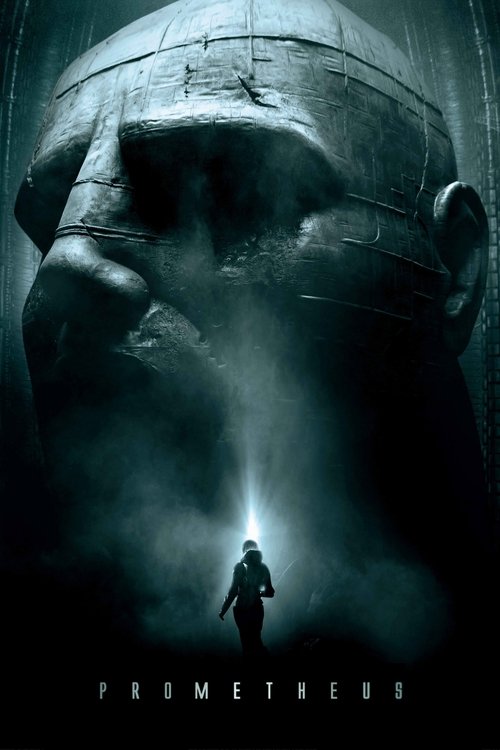
Prometheus
2012 · Directed by Ridley Scott
Woke Score
CriticCritic Score
Audience
Ultra Based
Critics rated this 49 points above its woke score. Among Ultra Based films, this critic score ranks #796 of 1469.
Representation Casting
Score: 42/100
Features a female protagonist in a central role alongside a diverse ensemble including Idris Elba, though this represents normative casting rather than conscious representation. Representation is present but not thematically foregrounded.
LGBTQ+ Themes
Score: 0/100
No LGBTQ+ themes, characters, or representation are evident in the film. The narrative contains no engagement with sexual orientation or gender identity.
Feminist Agenda
Score: 18/100
While the film features a capable female protagonist and engages thematically with reproduction and bodily autonomy, these elements are explored through body horror and existential dread rather than feminist consciousness. Female trauma is spectacle rather than commentary.
Racial Consciousness
Score: 0/100
The film shows no engagement with racial consciousness or identity politics. The diverse cast serves functional roles within the narrative but receives no thematic attention to race.
Climate Crusade
Score: 0/100
No climate-related themes or environmental consciousness are present. The film's apocalyptic scenarios derive from existential and theological concerns, not environmental advocacy.
Eat the Rich
Score: 0/100
The film contains no critique of capitalism or interrogation of economic systems. Corporate entities appear as plot elements but receive no ideological scrutiny.
Body Positivity
Score: 0/100
Body positivity is entirely absent. The film treats the body as a site of horror, violation, and existential dread rather than celebration or acceptance.
Neurodivergence
Score: 0/100
No representation of neurodivergence or neurodivergent characters is present. The film contains no engagement with this marker.
Revisionist History
Score: 15/100
The film presents a speculative alternate history of human origins through the Engineers mythology, but this functions as science fiction worldbuilding rather than conscious revisionism of actual historical narratives.
Lecture Energy
Score: 8/100
While the film features some exposition and philosophical dialogue about creation and existence, it lacks the preachy, instructional tone characteristic of contemporary lecture-oriented cinema. The approach is exploratory rather than pedagogical.


Synopsis
A team of explorers discover a clue to the origins of mankind on Earth, leading them on a journey to the darkest corners of the universe. There, they must fight a terrifying battle to save the future of the human race.
Consciousness Assessment
Prometheus arrives as a film caught between epochs, neither fully classical nor genuinely contemporary in its approach to representation. Released in 2012, it predates the constellation of cultural markers we now associate with progressive sensibilities in cinema, yet it cannot entirely escape certain forward-thinking choices. The casting of Noomi Rapace as the film's central protagonist represents a notable departure from the testosterone-saturated science fiction of prior decades, and Rapace's character Elizabeth Shaw is permitted agency and physical capability alongside her vulnerability. The film's obsessive thematic preoccupation with reproduction, pregnancy, and bodily autonomy, while explored primarily through body horror rather than political consciousness, does engage with material that would later become central to contemporary cultural discourse. Charlize Theron's presence as a morally complex female character, though ultimately underutilized, suggests at least an attempt at complexity beyond decoration.
Yet these elements remain insufficient to constitute genuine progressive cultural positioning. The film's treatment of its female characters, particularly in the infamous surgical pod sequence, prioritizes spectacle and shock value over any meaningful exploration of reproductive autonomy or bodily integrity. Rapace's Shaw endures repeated trauma and violation that the film presents as simply the price of her curiosity and determination. The ensemble cast includes Idris Elba in a capable role, but his presence functions as normative casting rather than conscious representation, and the film offers no meaningful engagement with racial consciousness or identity. The screenplay shows no interest in interrogating systems of power, capital accumulation, or environmental catastrophe beyond their use as plot mechanics. Ridley Scott's sensibility remains fundamentally humanist and existential rather than socially conscious in any contemporary sense.
This is a film about the horror of creation itself, interested in philosophical and theological questions rather than social structures. Its preoccupations with gender and reproduction emerge from generic conventions and thematic concerns rather than deliberate engagement with progressive cultural frameworks. Prometheus is neither hostile to progressive representation nor genuinely committed to it. It exists in a space of accidental proximity to certain contemporary concerns, a near-miss rather than a direct hit. One experiences it as a work of ambitious science fiction that happens to feature a capable female protagonist, not as a film constructed around progressive principles.
Analysis generated by our Consciousness Algorithm
Critic Reviews
“A magnificent science-fiction film, all the more intriguing because it raises questions about the origin of human life and doesn't have the answers. ”
“Scott briskly blends the high-minded stuff with impressive boo-and-goo sequences, ratcheting tension in tight spots and dark caverns.”
“Gorgeous set pieces thrill the senses, but there is philosophical inquiry as well. "Alien" was, after all, just "Jaws" in space, but Prometheus ponders where evil comes from and how it conquers its makers. ”
“It aspires to Stanley Kubrick's "2001", but in its maddeningly unresolved plot threads and cornball cosmic mysticism, it lands closer to "Mission to Mars" -though Prometheus lacks any action set piece as gripping as the Brian De Palma film's sentient sandstorm. ”
Consciousness Markers
Features a female protagonist in a central role alongside a diverse ensemble including Idris Elba, though this represents normative casting rather than conscious representation. Representation is present but not thematically foregrounded.
No LGBTQ+ themes, characters, or representation are evident in the film. The narrative contains no engagement with sexual orientation or gender identity.
While the film features a capable female protagonist and engages thematically with reproduction and bodily autonomy, these elements are explored through body horror and existential dread rather than feminist consciousness. Female trauma is spectacle rather than commentary.
The film shows no engagement with racial consciousness or identity politics. The diverse cast serves functional roles within the narrative but receives no thematic attention to race.
No climate-related themes or environmental consciousness are present. The film's apocalyptic scenarios derive from existential and theological concerns, not environmental advocacy.
The film contains no critique of capitalism or interrogation of economic systems. Corporate entities appear as plot elements but receive no ideological scrutiny.
Body positivity is entirely absent. The film treats the body as a site of horror, violation, and existential dread rather than celebration or acceptance.
No representation of neurodivergence or neurodivergent characters is present. The film contains no engagement with this marker.
The film presents a speculative alternate history of human origins through the Engineers mythology, but this functions as science fiction worldbuilding rather than conscious revisionism of actual historical narratives.
While the film features some exposition and philosophical dialogue about creation and existence, it lacks the preachy, instructional tone characteristic of contemporary lecture-oriented cinema. The approach is exploratory rather than pedagogical.