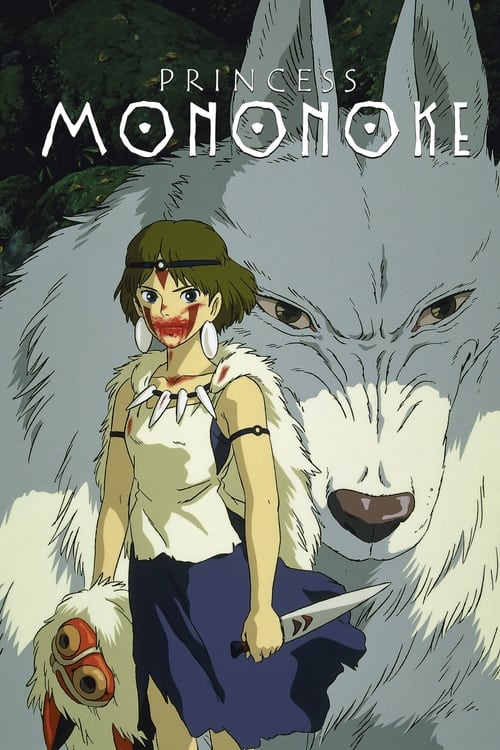
Princess Mononoke
1997 · Directed by Hayao Miyazaki
Woke Score
CriticCritic Score
Audience
Based
Critics rated this 40 points above its woke score. Among Based films, this critic score ranks #93 of 345.
Representation Casting
Score: 35/100
The film features substantive female and indigenous characters, but their presence emerges from narrative necessity rather than contemporary diversity frameworks. San is a capable warrior, yet the film does not celebrate this as progressive representation.
LGBTQ+ Themes
Score: 0/100
No LGBTQ+ themes or representation appear in the film. The work predates the contemporary emphasis on such inclusion.
Feminist Agenda
Score: 30/100
Female characters possess genuine agency and complexity, particularly San and Lady Eboshi. However, the film does not frame this through contemporary feminist ideology or make explicit commentary on patriarchy.
Racial Consciousness
Score: 45/100
The film demonstrates meaningful engagement with indigenous representation through the Emishi people and their resistance to assimilation. This reflects historical consciousness rather than contemporary racial justice frameworks.
Climate Crusade
Score: 50/100
Environmental themes are central to the narrative, but operate through Shinto spirituality and Japanese ecological philosophy. The film predates contemporary climate crisis discourse by decades.
Eat the Rich
Score: 40/100
The film critiques industrial resource extraction and depicts genuine tension between economic development and environmental preservation. Yet it refuses to demonize capitalism categorically or present villains as purely evil.
Body Positivity
Score: 5/100
No engagement with contemporary body positivity discourse. Characters are depicted naturally without commentary on their physical appearance or diverse body types.
Neurodivergence
Score: 0/100
No representation of or commentary on neurodivergence. The concept does not appear in the film's narrative or thematic framework.
Revisionist History
Score: 25/100
The film engages with Japanese history and indigenous peoples with some complexity, but does not employ contemporary revisionist historical frameworks or perform ideological reinterpretation.
Lecture Energy
Score: 20/100
Miyazaki presents moral arguments through narrative and character action rather than explicit exposition or preachy dialogue. The film trusts its audience to draw conclusions.


Synopsis
Ashitaka, a prince of the disappearing Emishi people, is cursed by a demonized boar god and must journey to the west to find a cure. Along the way, he encounters San, a young human woman fighting to protect the forest, and Lady Eboshi, who is trying to destroy it. Ashitaka must find a way to bring balance to this conflict.
Consciousness Assessment
Princess Mononoke stands as a work of substantial moral seriousness, yet one that predates the particular crystallization of contemporary progressive cultural markers by several years. The environmental critique is genuine, emerging from Shinto spirituality and Japanese ecological philosophy rather than from post-2015 climate consciousness frameworks. The film's treatment of the Emishi people demonstrates historical consciousness regarding indigenous survival and colonization, but operates without the performative dimension that would later become standard. San functions as a warrior and leader because the narrative demands it, not because the film seeks commendation for depicting a strong female character. Lady Eboshi, the industrial antagonist, resists cartoon villainy; she genuinely improves material conditions for her workers, particularly women and lepers. Miyazaki refuses the simplistic moral binaries that contemporary sensibilities would now demand. The forest gods manifest as literal Kodama spirits rather than metaphorical climate anxiety. The film argues for balance and coexistence rather than categorical moral victory, a position that would be considered insufficiently progressive by current standards.
Analysis generated by our Consciousness Algorithm
Critic Reviews
“One of the most visually inventive films I have ever seen.”
“Its breadth, profundity, and stunningly rendered vision make idealism seem renewed and breathtaking again.”
“Has the effect of making the average Disney film look like just another toy story.”
“Wacky, vividly conceived but mundanely executed cartoon fantasy.”
Consciousness Markers
The film features substantive female and indigenous characters, but their presence emerges from narrative necessity rather than contemporary diversity frameworks. San is a capable warrior, yet the film does not celebrate this as progressive representation.
No LGBTQ+ themes or representation appear in the film. The work predates the contemporary emphasis on such inclusion.
Female characters possess genuine agency and complexity, particularly San and Lady Eboshi. However, the film does not frame this through contemporary feminist ideology or make explicit commentary on patriarchy.
The film demonstrates meaningful engagement with indigenous representation through the Emishi people and their resistance to assimilation. This reflects historical consciousness rather than contemporary racial justice frameworks.
Environmental themes are central to the narrative, but operate through Shinto spirituality and Japanese ecological philosophy. The film predates contemporary climate crisis discourse by decades.
The film critiques industrial resource extraction and depicts genuine tension between economic development and environmental preservation. Yet it refuses to demonize capitalism categorically or present villains as purely evil.
No engagement with contemporary body positivity discourse. Characters are depicted naturally without commentary on their physical appearance or diverse body types.
No representation of or commentary on neurodivergence. The concept does not appear in the film's narrative or thematic framework.
The film engages with Japanese history and indigenous peoples with some complexity, but does not employ contemporary revisionist historical frameworks or perform ideological reinterpretation.
Miyazaki presents moral arguments through narrative and character action rather than explicit exposition or preachy dialogue. The film trusts its audience to draw conclusions.