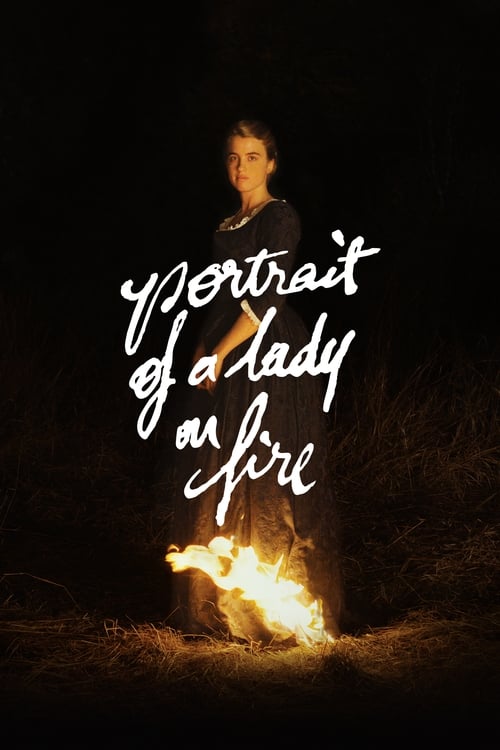
Portrait of a Lady on Fire
2019 · Directed by Céline Sciamma
Woke Score
Critic Score
Audience
Woke
Critics rated this 28 points above its woke score. Among Woke films, this critic score ranks #4 of 57.
Representation Casting
Score: 65/100
Female-centered cast and perspective, though the film does not foreground casting as a statement of representation diversity. The focus remains on the narrative and characters rather than demographic representation as such.
LGBTQ+ Themes
Score: 95/100
Explicit same-sex romance between the two female leads forms the emotional and narrative core of the film. The lesbian relationship is treated with full seriousness and artistic dignity.
Feminist Agenda
Score: 88/100
Extensive thematic exploration of women's artistic labor, bodily autonomy, agency, and resistance to patriarchal control. The film centers female subjectivity and desire as legitimate and worthy of artistic attention.
Racial Consciousness
Score: 5/100
The film contains no meaningful engagement with racial themes or racial consciousness. The historical setting and character composition do not address these dimensions.
Climate Crusade
Score: 0/100
No climate or environmental themes present in the film. The work does not engage with ecological consciousness or environmental critique.
Eat the Rich
Score: 55/100
Class consciousness operates through the material conditions of women's lives and the commodification of female bodies through portraiture, but the film does not pursue systematic anti-capitalist critique.
Body Positivity
Score: 25/100
The film engages with bodies as sites of desire and artistic representation, but not through the lens of contemporary body positivity discourse. Bodies are treated as complex rather than celebrated.
Neurodivergence
Score: 0/100
No representation of neurodivergence or engagement with neurodivergent themes. The film does not address disability or cognitive difference.
Revisionist History
Score: 70/100
The film centers female desire and female artistic subjectivity in an 18th-century setting, offering a revisionist perspective on historical women's experience and agency.
Lecture Energy
Score: 40/100
Moderate lecture energy. Characters discuss their circumstances and constraints directly at times, but the film generally trusts its audience to understand the implications rather than spelling out its themes.


Synopsis
On an isolated island in Brittany at the end of the eighteenth century, a female painter is obliged to paint a wedding portrait of a young woman.
Consciousness Assessment
Céline Sciamma's "Portrait of a Lady on Fire" stands as a masterwork of contemporary cinema that wears its progressive sensibilities with the confidence of someone who has earned them through craft. The film constructs its narrative around female desire, artistic autonomy, and bodily self-determination, treating these themes not as political statements to be announced but as the very substance of human experience. Two women in the 18th century, one creating art and one becoming it, negotiate their relationship to power, beauty, and choice with a delicacy and specificity that gives the material its weight.
The film's strength lies in its refusal to apologize for its subject matter or its perspective. The romance between painter and subject is rendered with genuine sensuality and intellectual tenderness. The class consciousness animating the narrative operates subtly through the material conditions of women's lives rather than through explicit critique. Sciamma allows her characters to discuss their circumstances directly at times, but the film trusts its audience to understand the stakes without constant explanation. This restraint distinguishes it from more didactic contemporary work.
What prevents a higher score is the film's limited engagement with other dimensions of social consciousness. The world depicted contains no racial complexity, no environmental concern, no exploration of neurodivergence or disability. The work is concerned with gender and sexuality, and it pursues these concerns with admirable depth and artistic integrity. It is a film that knows what it wants to say and says it with uncommon grace.
Analysis generated by our Consciousness Algorithm
Critic Reviews
“Assaying [Sciamma's] first period film, an exquisitely executed love story that's both formally adventurous and emotionally devastating, she sticks the landing like a UCLA gymnast in peak condition. It's so good you'll want to watch again in slow-motion immediately afterwards just to see how she does it.”
“Razor-sharp and shatteringly romantic ... as perfect a film as any to have premiered this year.”
“Sciamma ... has a magnificent capability for elegant prose that wouldn't feel out of place in a classic novel, the kind of dialogue that simmers long after it is spoken.”
“A superbly elegant, enigmatic drama ... I was on the edge of my seat.”
“Portrait of a Lady on Fire is a film of incandescent scenes and staggering wonder.”
“This radiantly sensual film ends on the perfect note, a rush of emotional intensity that's wrapped in a secret, as hushed as the rustle of silk.”
Consciousness Markers
Female-centered cast and perspective, though the film does not foreground casting as a statement of representation diversity. The focus remains on the narrative and characters rather than demographic representation as such.
Explicit same-sex romance between the two female leads forms the emotional and narrative core of the film. The lesbian relationship is treated with full seriousness and artistic dignity.
Extensive thematic exploration of women's artistic labor, bodily autonomy, agency, and resistance to patriarchal control. The film centers female subjectivity and desire as legitimate and worthy of artistic attention.
The film contains no meaningful engagement with racial themes or racial consciousness. The historical setting and character composition do not address these dimensions.
No climate or environmental themes present in the film. The work does not engage with ecological consciousness or environmental critique.
Class consciousness operates through the material conditions of women's lives and the commodification of female bodies through portraiture, but the film does not pursue systematic anti-capitalist critique.
The film engages with bodies as sites of desire and artistic representation, but not through the lens of contemporary body positivity discourse. Bodies are treated as complex rather than celebrated.
No representation of neurodivergence or engagement with neurodivergent themes. The film does not address disability or cognitive difference.
The film centers female desire and female artistic subjectivity in an 18th-century setting, offering a revisionist perspective on historical women's experience and agency.
Moderate lecture energy. Characters discuss their circumstances and constraints directly at times, but the film generally trusts its audience to understand the implications rather than spelling out its themes.