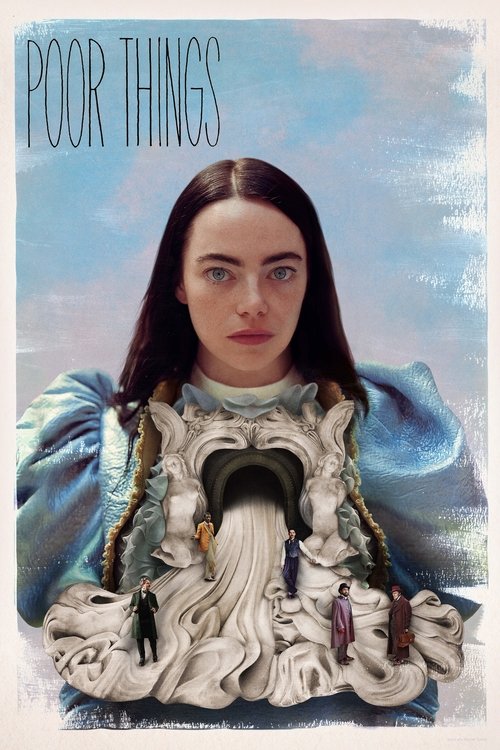
Poor Things
2023 · Directed by Yorgos Lanthimos
Woke Score
CriticCritic Score
Audience
Woke
Critics rated this 20 points above its woke score. Among Woke films, this critic score ranks #11 of 88.
Representation Casting
Score: 65/100
The film features diverse casting including actors of color in supporting roles, though the narrative remains centered on Emma Stone. Representation is present but not deeply integrated into the thematic work.
LGBTQ+ Themes
Score: 25/100
The film explores female sexuality and autonomy extensively, but contains minimal explicit LGBTQ+ representation or themes. Sexual liberation is centered on heterosexual female agency rather than queer identity.
Feminist Agenda
Score: 88/100
Feminist themes are central to the film's narrative and visual language. Bella's journey is fundamentally about rejecting patriarchal control, claiming bodily autonomy, and refusing to conform to feminine expectations imposed by society.
Racial Consciousness
Score: 30/100
While the film includes actors of color in its cast, it does not engage substantively with racial themes or consciousness. Characters of color are present but not centered in racial commentary.
Climate Crusade
Score: 0/100
The film contains no engagement with climate themes or environmental consciousness.
Eat the Rich
Score: 35/100
The film critiques specific forms of economic exploitation and coercion, particularly as they affect women, but does not present a systemic critique of capitalism itself. Economic concerns are secondary to personal autonomy.
Body Positivity
Score: 40/100
The film treats Bella's body with unusual directness and lack of shame, presenting her nudity without objectification. However, this reflects the narrative's concerns with bodily autonomy rather than a comprehensive body positivity agenda.
Neurodivergence
Score: 0/100
While Bella's unusual perspective could be read as neurodivergent, the film does not explicitly engage with neurodivergence or present it as a valued identity.
Revisionist History
Score: 20/100
The film uses Victorian-era aesthetics and settings but does not substantially revise historical narratives. It is more interested in using historical aesthetics to critique contemporary patriarchy than in reinterpreting actual history.
Lecture Energy
Score: 45/100
The film maintains a darkly comic, oblique approach to its themes rather than engaging in direct preachiness. Yet Bella's conversations about autonomy and freedom do carry moments of explicit thematic statement.


Synopsis
Brought back to life by an unorthodox scientist, a young woman runs off with a lawyer on a whirlwind adventure across the continents. Free from the prejudices of her times, she grows steadfast in her purpose to stand for equality and liberation.
Consciousness Assessment
Poor Things arrives as a film so obviously committed to its progressive framework that describing it requires a certain delicate restraint. Bella Baxter, our protagonist, functions as a blank slate upon which Lanthimos projects a comprehensive critique of patriarchal structures, emerging from her resurrection with an almost autistic clarity about the absurdity of gender conventions. She demands sexual autonomy, economic independence, and the right to refuse socialization into feminine docility. The film treats these demands not as controversial but as the only rational response to a world constructed for her subordination.
The casting reflects contemporary sensibilities, with Ramy Youssef, Suzy Bemba, and Jerrod Carmichael populating the supporting roles, though their presence functions more as demographic representation than as characters with independent narrative weight. The film's sexual politics are explicitly progressive, with frank discussions of female desire and bodily autonomy that would have scandalized audiences of any previous era. Bella's journey involves a genuine reckoning with exploitation and coercion, presented through Lanthimos's characteristically arch visual language.
Yet the film's progressive sensibilities remain somewhat constrained by its primary investment in being a stylistically audacious work of art cinema. The social consciousness on display serves the film's aesthetic and thematic preoccupations rather than functioning as an independent agenda. Climate, economic systems, and other contemporary progressive concerns receive minimal attention. The film is genuinely interested in feminist liberation and sexual autonomy, but it is not attempting to solve capitalism or address ecological collapse. It is a film about freedom, not a manifesto.
Analysis generated by our Consciousness Algorithm
Critic Reviews
“It amounts to a dizzying feast of cinematic excess. But there is intellectual traction and psychological grit to the project.”
“Everything in it – every frame, every image, every joke, every performance – gets a gasp of excitement.”
“Poor Things is the best film of Lanthimos’ career and already feels like an instant classic, mordantly funny, whimsical and wacky, unprecious and unpretentious, filled with so much to adore that to try and parse it all here feels like a pitiful response to the film’s ambitions.”
“I hated it, but reluctantly give it one star for whimsical sets and costumes, and there’s a minute sprinkle of suspense while you wait for a point of view that never arrives.”
Consciousness Markers
The film features diverse casting including actors of color in supporting roles, though the narrative remains centered on Emma Stone. Representation is present but not deeply integrated into the thematic work.
The film explores female sexuality and autonomy extensively, but contains minimal explicit LGBTQ+ representation or themes. Sexual liberation is centered on heterosexual female agency rather than queer identity.
Feminist themes are central to the film's narrative and visual language. Bella's journey is fundamentally about rejecting patriarchal control, claiming bodily autonomy, and refusing to conform to feminine expectations imposed by society.
While the film includes actors of color in its cast, it does not engage substantively with racial themes or consciousness. Characters of color are present but not centered in racial commentary.
The film contains no engagement with climate themes or environmental consciousness.
The film critiques specific forms of economic exploitation and coercion, particularly as they affect women, but does not present a systemic critique of capitalism itself. Economic concerns are secondary to personal autonomy.
The film treats Bella's body with unusual directness and lack of shame, presenting her nudity without objectification. However, this reflects the narrative's concerns with bodily autonomy rather than a comprehensive body positivity agenda.
While Bella's unusual perspective could be read as neurodivergent, the film does not explicitly engage with neurodivergence or present it as a valued identity.
The film uses Victorian-era aesthetics and settings but does not substantially revise historical narratives. It is more interested in using historical aesthetics to critique contemporary patriarchy than in reinterpreting actual history.
The film maintains a darkly comic, oblique approach to its themes rather than engaging in direct preachiness. Yet Bella's conversations about autonomy and freedom do carry moments of explicit thematic statement.