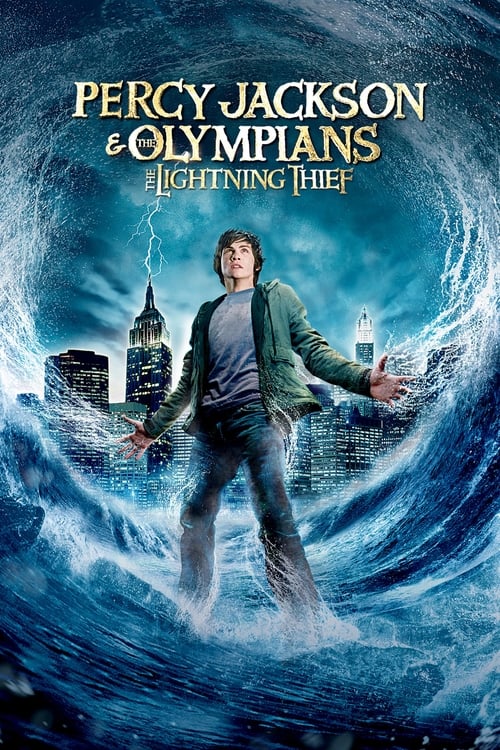
Percy Jackson & the Olympians: The Lightning Thief
2010 · Directed by Chris Columbus
Woke Score
CriticCritic Score
Audience
Ultra Based
Critics rated this 39 points above its woke score. Among Ultra Based films, this critic score ranks #1225 of 1469.
Representation Casting
Score: 25/100
The film includes Brandon T. Jackson as Grover and Alexandra Daddario as Annabeth, providing racial diversity in the supporting cast. However, this appears to reflect straightforward adaptation of the source material rather than deliberate casting choices motivated by representation.
LGBTQ+ Themes
Score: 0/100
No LGBTQ+ themes, characters, or representation are present in the film. The narrative contains no romantic or identity elements relevant to this marker.
Feminist Agenda
Score: 15/100
Annabeth is a capable female warrior character, but she functions within the generic adventure formula without any commentary on gender or feminist ideology. Her presence represents basic female representation rather than a deliberate feminist agenda.
Racial Consciousness
Score: 0/100
The film contains no engagement with racial themes, systemic racism, or racial consciousness. Characters of color are present but without any narrative commentary on racial issues.
Climate Crusade
Score: 0/100
No climate-related themes, environmental commentary, or ecological consciousness appear in the film. The plot concerns mythological conflict unrelated to environmental issues.
Eat the Rich
Score: 5/100
While the gods could be read as antagonistic power figures, there is no deliberate anti-capitalist messaging or critique of economic systems. Any class commentary is accidental rather than intentional.
Body Positivity
Score: 0/100
No body positivity messaging, fat representation, or commentary on body diversity appears in the film. The cast reflects standard Hollywood physiology without intentional body representation work.
Neurodivergence
Score: 0/100
No neurodivergent characters or themes related to neurodiversity are present. Percy's ADHD from the source material is not meaningfully explored in the adaptation.
Revisionist History
Score: 0/100
The film draws from classical mythology rather than historical events, so revisionist history is not applicable. No reframing of actual historical narratives occurs.
Lecture Energy
Score: 5/100
The film contains minimal expository dialogue about its themes, operating instead as straightforward adventure entertainment. Educational moments about mythology are presented as plot exposition rather than lectures.


Synopsis
Accident prone teenager, Percy discovers he's actually a demi-God, the son of Poseidon, and he is needed when Zeus' lightning is stolen. Percy must master his new found skills in order to prevent a war between the Gods that could devastate the entire world.
Consciousness Assessment
Percy Jackson & the Olympians: The Lightning Thief occupies the liminal space between pre-woke blockbuster and the emerging consciousness of the early 2010s. The film features a moderately diverse supporting cast, particularly in the casting of Brandon T. Jackson as Grover and Alexandra Daddario as Annabeth, though these choices appear driven by straightforward adaptation of the source material rather than any overt ideological commitment. The narrative concerns itself with teenage angst, parental discovery, and the standard hero's journey, none of which carry the cultural weight of modern progressive sensibilities.
The film's thematic content remains almost entirely apolitical. There is no engagement with systemic inequality, no interrogation of power structures beyond the mythological framework, and no commentary on contemporary social issues. The gods function as literal antagonists in a metaphorical context that predates modern social consciousness by millennia. Annabeth's female warrior character exists within the generic adventure formula rather than as a deliberate statement on gender representation. The screenplay offers no opportunities for discussions of climate crisis, corporate malfeasance, or bodily autonomy.
What we observe here is a competent family entertainment product from an era when such films operated under different cultural parameters. The cast includes people of color and a capable female character, but these elements feel incidental to the narrative rather than central to its worldview. By contemporary standards, this represents the baseline of inclusivity that had already become ordinary in mainstream cinema, not a marker of progressive consciousness. The film's fundamental indifference to social commentary, combined with its reliance on classical mythology as source material, results in a work that simply fails to register on the instruments designed to measure modern cultural awareness.
Analysis generated by our Consciousness Algorithm
Critic Reviews
“Director Chris Columbus has fun with this goofy premise, but as always I am distracted by the practical aspects of the story. Does it bother the Greek gods that no one any longer knows or cares that they rule the world? What are the genetic implications of human/god interbreeding?”
“A whole lot of plot ensues - an entertaining mix of buddy movie, road trip, "Clash of the Titans," archetypal quest and a coming-of-age tale about misfits making their way despite, or because of, absent parents.”
“Percy Jackson isn't a great movie, but it's a good one, trotting out kernels of Greek mythology like so many Disney Channel references. For the most part, it works.”
“The film becomes particularly risible when family matters come into play. Since the young demigods, by nature, are raised in single-parent homes, their encounters with the gods are characterized less by wonder than by the therapy-speak of wounded kids with daddy issues.”
Consciousness Markers
The film includes Brandon T. Jackson as Grover and Alexandra Daddario as Annabeth, providing racial diversity in the supporting cast. However, this appears to reflect straightforward adaptation of the source material rather than deliberate casting choices motivated by representation.
No LGBTQ+ themes, characters, or representation are present in the film. The narrative contains no romantic or identity elements relevant to this marker.
Annabeth is a capable female warrior character, but she functions within the generic adventure formula without any commentary on gender or feminist ideology. Her presence represents basic female representation rather than a deliberate feminist agenda.
The film contains no engagement with racial themes, systemic racism, or racial consciousness. Characters of color are present but without any narrative commentary on racial issues.
No climate-related themes, environmental commentary, or ecological consciousness appear in the film. The plot concerns mythological conflict unrelated to environmental issues.
While the gods could be read as antagonistic power figures, there is no deliberate anti-capitalist messaging or critique of economic systems. Any class commentary is accidental rather than intentional.
No body positivity messaging, fat representation, or commentary on body diversity appears in the film. The cast reflects standard Hollywood physiology without intentional body representation work.
No neurodivergent characters or themes related to neurodiversity are present. Percy's ADHD from the source material is not meaningfully explored in the adaptation.
The film draws from classical mythology rather than historical events, so revisionist history is not applicable. No reframing of actual historical narratives occurs.
The film contains minimal expository dialogue about its themes, operating instead as straightforward adventure entertainment. Educational moments about mythology are presented as plot exposition rather than lectures.