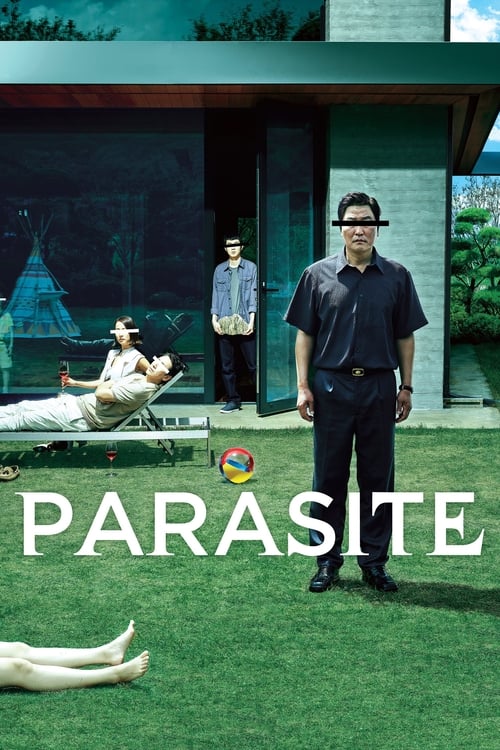
Parasite
2019 · Directed by Bong Joon-ho
Woke Score
CriticCritic Score
Audience
Woke-Adjacent
Critics rated this 57 points above its woke score. Among Woke-Adjacent films, this critic score ranks #1 of 151.
Representation Casting
Score: 45/100
The cast is entirely Korean and reflects the film's South Korean setting, but representation is not curated for diversity messaging. The casting serves the story rather than progressive optics.
LGBTQ+ Themes
Score: 0/100
No LGBTQ themes or characters are present in the film. Sexual orientation and gender identity are not explored.
Feminist Agenda
Score: 30/100
Female characters exist in the narrative but feminist consciousness is not foregrounded. The women are neither particularly empowered nor victimized by the narrative structure.
Racial Consciousness
Score: 10/100
The film operates within a monoracial context and does not engage with contemporary racial consciousness discourse or identity politics.
Climate Crusade
Score: 0/100
Climate change and environmental concerns are entirely absent from the film's thematic concerns.
Eat the Rich
Score: 85/100
The film's entire structure critiques capitalism and class hierarchy through both narrative and visual language. Economic inequality drives every element of the plot and thematic content.
Body Positivity
Score: 5/100
No engagement with body positivity discourse. Bodies are presented naturally without commentary on appearance or beauty standards.
Neurodivergence
Score: 0/100
Neurodivergence is not addressed or represented in the film.
Revisionist History
Score: 0/100
The film does not engage with historical revisionism or reinterpretation of past events.
Lecture Energy
Score: 15/100
The film avoids explicit preachiness and lectures about social injustice. Political commentary is embedded in narrative and visual language rather than articulated through dialogue.


Synopsis
All unemployed, Ki-taek's family takes peculiar interest in the wealthy and glamorous Parks for their livelihood until they get entangled in an unexpected incident.
Consciousness Assessment
Parasite occupies the curious position of being a film about class struggle that also functions as a sophisticated thriller, which complicates any straightforward assessment of its progressive sensibilities. The film's central conceit—a working-class family infiltrating a wealthy household through deception—provides ample opportunity for commentary on economic inequality and the structures that perpetuate it. Bong Joon-ho presents this material without moralizing lectures; the narrative unfolds as a dark comedy where both the destitute and the affluent are rendered sympathetic and flawed in equal measure. This refusal to position the working-class characters as simple victims or the wealthy as cartoon villains suggests a more nuanced worldview than contemporary progressive cinema typically permits.
The film's anti-capitalist impulses are present but not preachy. We witness the humiliation of poverty, the casual cruelty of class distinction, and the impossible situation facing those without resources or connections. Yet the film also acknowledges that desperation drives its protagonists toward moral compromise, that circumstance rather than character determines their choices. This moral complexity runs counter to the lecture energy that often accompanies modern films engaging with class politics. There are no speeches about systemic injustice, no moments where characters articulate progressive theory. The social consciousness is embedded in the structure and visual language of the work.
What prevents a higher score is the film's deliberate avoidance of contemporary progressive markers. The representation remains incidental to the story rather than curated; LGBTQ themes are absent; feminist concerns do not drive the narrative; racial consciousness is not foregrounded; climate politics do not factor into the discussion; neurodivergence is not explored; body positivity is not engaged; and revisionist history plays no role. The film is politically astute in a manner that precedes our current cultural moment. It is, in short, the work of a serious artist rather than a film designed to satisfy the particular sensibilities of 2020s progressive audiences. One respects this restraint, even as one notes its absence from the contemporary cultural conversation.
Analysis generated by our Consciousness Algorithm
Critic Reviews
“A masterful dissection of social inequality and the psychology of money.”
“Parasite begins in exhilaration and ends in devastation, but the triumph of the movie is that it fully lives and breathes at every moment, even when you might find yourself struggling to exhale.”
“Like much of Bong’s work, Parasite is cumbersomely plotted and heavy-handed in its social commentary. The largely naturalistic treatment here may also alienate some of his fantasy fanboy constituency. That said, this prickly contemporary drama still feels more coherent and tonally assured than Snowpiercer or Okja, and packs a timely punch that will resonate in our financially tough, politically polarized times. ”
Consciousness Markers
The cast is entirely Korean and reflects the film's South Korean setting, but representation is not curated for diversity messaging. The casting serves the story rather than progressive optics.
No LGBTQ themes or characters are present in the film. Sexual orientation and gender identity are not explored.
Female characters exist in the narrative but feminist consciousness is not foregrounded. The women are neither particularly empowered nor victimized by the narrative structure.
The film operates within a monoracial context and does not engage with contemporary racial consciousness discourse or identity politics.
Climate change and environmental concerns are entirely absent from the film's thematic concerns.
The film's entire structure critiques capitalism and class hierarchy through both narrative and visual language. Economic inequality drives every element of the plot and thematic content.
No engagement with body positivity discourse. Bodies are presented naturally without commentary on appearance or beauty standards.
Neurodivergence is not addressed or represented in the film.
The film does not engage with historical revisionism or reinterpretation of past events.
The film avoids explicit preachiness and lectures about social injustice. Political commentary is embedded in narrative and visual language rather than articulated through dialogue.