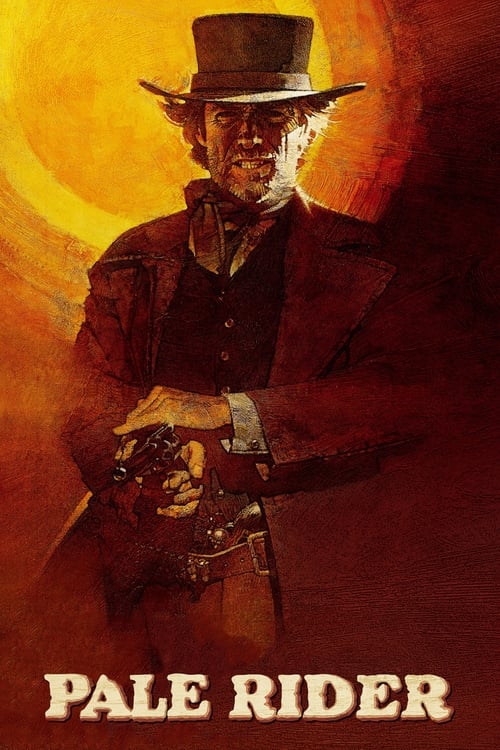
Pale Rider
1985 · Directed by Clint Eastwood
Woke Score
CriticCritic Score
Audience
Ultra Based
Critics rated this 57 points above its woke score. Among Ultra Based films, this critic score ranks #879 of 1469.
Representation Casting
Score: 0/100
The cast reflects traditional Western genre conventions with no deliberate diversity or representation consciousness. All principal roles are filled according to conventional genre archetypes.
LGBTQ+ Themes
Score: 0/100
No LGBTQ+ themes, characters, or subtext present in the film. Romantic storylines are strictly heterosexual and conventional.
Feminist Agenda
Score: 5/100
Female characters exist in the narrative but occupy traditional subordinate roles. Women are present as love interests and motivations for male action rather than as agents of their own stories.
Racial Consciousness
Score: 0/100
No racial consciousness or examination of racial dynamics is present. The film contains no commentary on race relations or Indigenous peoples despite the frontier setting.
Climate Crusade
Score: 0/100
No environmental or climate themes appear in the narrative. The landscape is backdrop rather than subject of ecological concern.
Eat the Rich
Score: 25/100
The film depicts corporate mining interests as villainous and a threat to independent prospectors, though this critique emerges from classical Western mythology rather than contemporary anti-capitalist ideology.
Body Positivity
Score: 0/100
No body positivity themes or body-conscious messaging present. Physical bodies are treated conventionally within the Western genre.
Neurodivergence
Score: 0/100
No representation of neurodivergence or mental health consciousness appears in the film.
Revisionist History
Score: 0/100
The film makes no attempt to revise historical narratives or challenge conventional Western mythology. It operates within traditional genre parameters.
Lecture Energy
Score: 0/100
The film maintains classical narrative restraint. No characters deliver explicit moral lectures or preachy speeches about social issues.


Synopsis
A mysterious preacher protects a humble prospector village from a greedy mining company trying to encroach on their land.
Consciousness Assessment
Pale Rider arrives as a curious artifact of 1985, when Western filmmaking was largely indifferent to the social consciousness frameworks that would later dominate cultural discourse. Clint Eastwood's mysterious preacher defends independent prospectors against a ruthless mining baron, a setup that could have generated some anti-capitalist resonance had the film possessed any interest in such matters. Instead, the narrative operates on a more primal level: the stoic gunfighter versus corporate greed, rendered through violence and moral ambiguity rather than systemic critique. The film is concerned with virtue, not ideology.
The supporting cast exists primarily in service to the hero's legend. Carrie Snodgress and Sydney Penny occupy the female roles with competence but little agency, functioning as objects of protection and romantic interest rather than subjects of their own narrative weight. There is no attempt at gender consciousness, no interrogation of women's roles in frontier society, no celebration of female resilience beyond the passive acceptance of hardship. This is genre filmmaking from a pre-intersectional era, when casting women in Westerns meant little more than providing motivation for male heroics.
The film's single concession to progressive sensibility lies in its depiction of corporate malfeasance as a threat to community and livelihood. Yet this critique emerges from classical American mythology rather than contemporary social awareness. The antagonist is simply a villain of the old school: greedy, domineering, evil. Eastwood's preacher embodies frontier justice, not social justice. Viewed through a modern lens, Pale Rider is precisely what one would expect from a 1985 Western directed by and starring its most stoic practitioner, which is to say it contains virtually no markers of the cultural movements that would reshape filmmaking decades later.
Analysis generated by our Consciousness Algorithm
Critic Reviews
“No actor is more aware of his own instruments, and Eastwood demonstrates that in Pale Rider, a film he dominates so completely that only later do we realize how little we really saw of him.”
“This veteran movie icon handles both jobs with such intelligence and facility I'm just now beginning to realize that, though Mr. Eastwood may have been improving over the years, it's also taken all these years for most of us to recognize his very consistent grace and wit as a film maker. ”
“Though the metaphysical overtones of the screenplay are sometimes awkwardly handled and Eastwood's direction of actors (other than himself) is occasionally uncertain, this was one of the better American films of 1985.”
“By the time Pale Rider wends its solemn, deliberate way to the final showdown, all of its tantalizing potential has bitten the dust. The woefully inadequate screenplay by Michael Butler and Dennis Shryack takes every mundane turn available, reneging on its mythical promises. [1 July 1985, p.55]”
Consciousness Markers
The cast reflects traditional Western genre conventions with no deliberate diversity or representation consciousness. All principal roles are filled according to conventional genre archetypes.
No LGBTQ+ themes, characters, or subtext present in the film. Romantic storylines are strictly heterosexual and conventional.
Female characters exist in the narrative but occupy traditional subordinate roles. Women are present as love interests and motivations for male action rather than as agents of their own stories.
No racial consciousness or examination of racial dynamics is present. The film contains no commentary on race relations or Indigenous peoples despite the frontier setting.
No environmental or climate themes appear in the narrative. The landscape is backdrop rather than subject of ecological concern.
The film depicts corporate mining interests as villainous and a threat to independent prospectors, though this critique emerges from classical Western mythology rather than contemporary anti-capitalist ideology.
No body positivity themes or body-conscious messaging present. Physical bodies are treated conventionally within the Western genre.
No representation of neurodivergence or mental health consciousness appears in the film.
The film makes no attempt to revise historical narratives or challenge conventional Western mythology. It operates within traditional genre parameters.
The film maintains classical narrative restraint. No characters deliver explicit moral lectures or preachy speeches about social issues.