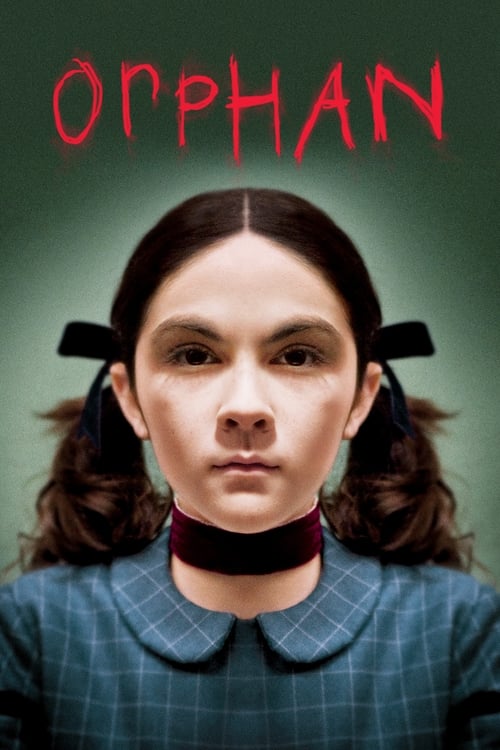
Orphan
2009 · Directed by Jaume Collet-Serra
Woke Score
CriticCritic Score
Audience
Ultra Based
Critics rated this 38 points above its woke score. Among Ultra Based films, this critic score ranks #1311 of 1469.
Representation Casting
Score: 15/100
The film features Aryana Engineer as a deaf character in a supporting role, but the casting choice is not thematized or treated with particular cultural awareness. The character exists within the horror narrative without meaningful engagement with deaf representation or culture.
LGBTQ+ Themes
Score: 0/100
No LGBTQ+ themes, characters, or representation present in the film. The narrative centers on a heterosexual married couple and their family dynamics.
Feminist Agenda
Score: 0/100
The film contains no feminist agenda or commentary. Female characters serve conventional genre roles without any particular examination of gender dynamics or women's agency.
Racial Consciousness
Score: 0/100
No racial consciousness or commentary present. The film does not engage with race, ethnicity, or racial themes in any meaningful way.
Climate Crusade
Score: 0/100
No climate or environmental themes whatsoever. The film is purely a domestic horror thriller with no engagement with ecological concerns.
Eat the Rich
Score: 0/100
No anti-capitalist messaging or critique of economic systems. The film is apolitical regarding economic structures and class dynamics.
Body Positivity
Score: 0/100
No body positivity messaging or commentary on body image, beauty standards, or physical diversity. The film does not engage with these themes.
Neurodivergence
Score: 0/100
While the film features a deaf character, there is no exploration of neurodivergence, disability representation, or accessibility issues. Deafness is treated as a plot element rather than a thematic concern.
Revisionist History
Score: 0/100
No historical revisionism or reframing of historical narratives. The film is a contemporary horror thriller with no historical dimension.
Lecture Energy
Score: 0/100
The film contains no preachy messaging, moral lectures, or attempts to educate the audience about social issues. It is purely entertainment-focused.


Synopsis
After losing their baby, a married couple adopt 9-year old Esther, who may not be as innocent as she seems.
Consciousness Assessment
Orphan is a 2009 horror thriller that concerns itself exclusively with the mechanics of psychological terror and genre manipulation. The film features a deaf character played by Aryana Engineer in a supporting role, which represents a minor instance of disability casting, yet this inclusion exists purely within the narrative structure without any thematic engagement or cultural commentary. The adoption plot device serves only as scaffolding for the supernatural reveal, never venturing into meaningful exploration of family dynamics, foster care systems, or the social dimensions of adoption itself.
The film operates in the conventional horror register of the mid-2000s, wherein character representation serves the plot rather than any broader cultural awareness. Vera Farmiga's adoptive mother exists as a vehicle for audience identification and subsequent betrayal, not as a character examined through any progressive lens. The narrative trajectory depends entirely on genre expectations, twist mechanics, and visual scares, with no apparent interest in social consciousness or contemporary sensibilities regarding representation.
This is a straightforward genre exercise from an era before such considerations became industry standard. It contains no evidence of ideological commitment to progressive values, though neither is it actively hostile to them. It simply exists as a horror film, indifferent to the cultural questions we might now ask of it.
Analysis generated by our Consciousness Algorithm
Critic Reviews
“You want a good horror film about a child from hell, you got one. Do not, under any circumstances, take children to see it. Take my word on this.”
“Orphan, with a perverse plot twist at the end, will keep you on tenterhooks from its nightmarish opening scene to its chilling last frame.”
“Screenwriters David Johnson and Alex Mace deliver one of the stupidest "twist endings" in the history of storytelling.”
Consciousness Markers
The film features Aryana Engineer as a deaf character in a supporting role, but the casting choice is not thematized or treated with particular cultural awareness. The character exists within the horror narrative without meaningful engagement with deaf representation or culture.
No LGBTQ+ themes, characters, or representation present in the film. The narrative centers on a heterosexual married couple and their family dynamics.
The film contains no feminist agenda or commentary. Female characters serve conventional genre roles without any particular examination of gender dynamics or women's agency.
No racial consciousness or commentary present. The film does not engage with race, ethnicity, or racial themes in any meaningful way.
No climate or environmental themes whatsoever. The film is purely a domestic horror thriller with no engagement with ecological concerns.
No anti-capitalist messaging or critique of economic systems. The film is apolitical regarding economic structures and class dynamics.
No body positivity messaging or commentary on body image, beauty standards, or physical diversity. The film does not engage with these themes.
While the film features a deaf character, there is no exploration of neurodivergence, disability representation, or accessibility issues. Deafness is treated as a plot element rather than a thematic concern.
No historical revisionism or reframing of historical narratives. The film is a contemporary horror thriller with no historical dimension.
The film contains no preachy messaging, moral lectures, or attempts to educate the audience about social issues. It is purely entertainment-focused.