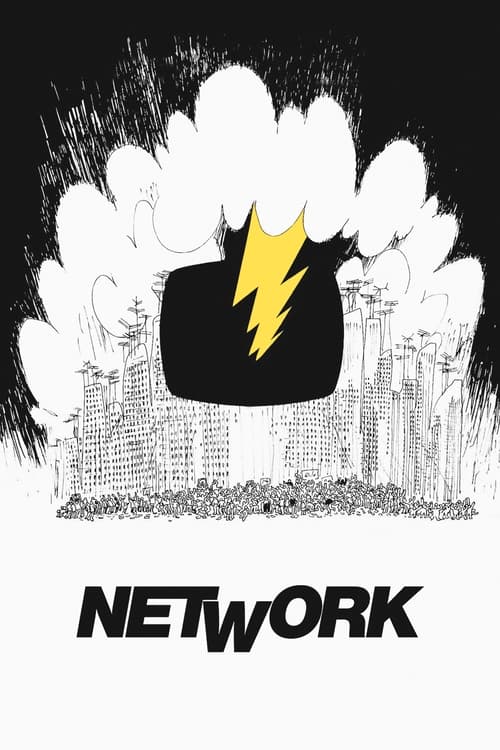
Network
1976 · Directed by Sidney Lumet
Woke Score
CriticCritic Score
Audience
Based
Critics rated this 55 points above its woke score. Among Based films, this critic score ranks #54 of 345.
Representation Casting
Score: 35/100
The cast includes women and Black actors in meaningful roles, but this reflects 1970s television realities rather than deliberate representation strategy. Dunaway's executive is competent but not presented as a statement about gender.
LGBTQ+ Themes
Score: 0/100
No LGBTQ themes, representation, or subtext present in the film. The narrative does not engage with sexual orientation or gender identity.
Feminist Agenda
Score: 25/100
Dunaway's character is a capable professional woman, but she is not developed through a feminist lens. She embodies corporate ambition without commentary on gender barriers or female empowerment.
Racial Consciousness
Score: 30/100
Black characters appear in substantive positions within the network hierarchy, but the film does not examine race, systemic racism, or racial consciousness. Their presence is incidental to the satirical narrative.
Climate Crusade
Score: 0/100
No environmental themes or climate consciousness present. The film's critique of capitalism does not extend to ecological concerns.
Eat the Rich
Score: 65/100
The film offers a scathing critique of corporate profit-seeking, media commodification, and the prioritization of ratings over ethics. This is the film's strongest thematic element, though it predates contemporary anti-capitalist framing.
Body Positivity
Score: 0/100
No body positivity themes or commentary on body image, disability representation, or physical diversity present in the narrative.
Neurodivergence
Score: 0/100
No representation of neurodivergence, mental health treatment as social justice, or neurodiversity awareness. Beale's mental breakdown is treated as tragedy, not identity.
Revisionist History
Score: 0/100
The film makes no attempt to reinterpret historical events or challenge established historical narratives. It is set in contemporary 1976 with no historical revisionism.
Lecture Energy
Score: 40/100
Beale's famous monologues deliver direct social commentary about television and consumerism, but this reflects the film's satirical intent rather than preachy progressivism. The tone is sermonic but not preachy in the modern sense.


Synopsis
When veteran anchorman Howard Beale is forced to retire his 25-year post because of his age, he announces to viewers that he will kill himself during his farewell broadcast. Network executives rethink their decision when his fanatical tirade results in a spike in ratings.
Consciousness Assessment
Network exists in that peculiar historical space where a film can be genuinely progressive for its era without embodying the specific sensibilities that would later become classified as contemporary cultural progressivism. Sidney Lumet's savage satire of television and capitalism remains sharp, but it is fundamentally a critique of media manipulation and profit-seeking rather than an exercise in modern social consciousness. The film skewers corporate greed with considerable venom, yet this comes wrapped in the cynical humanism of 1970s liberal filmmaking, not the targeted identity politics of later decades.
The representation present in Network reflects the natural casting practices of its moment rather than any deliberate commitment to contemporary diversity principles. Faye Dunaway's Diana Christensen is a competent female executive, but she is not positioned as a statement about gender representation. She is simply part of the institutional machinery being critiqued. The film features Black characters in substantive roles, though again, their presence serves the story rather than functioning as a marker of cultural awareness. Beatrice Straight's appearance as William Holden's wife is brief but dignified, suggesting the film's general respect for its ensemble, yet this is not the same as conscious representation strategy.
The picture's anti-capitalist sentiment is its strongest claim to progressive credentials, yet even here the analysis is more universal than targeted. Lumet attacks the commodification of human suffering and the elevation of ratings above ethics, but these are criticisms that predate the 2020s entirely. What the film does not do is interrogate its own power structures through contemporary lenses, nor does it gesture toward systemic reform through the specific vocabulary of modern progressive movements. It is a masterpiece of American cinema, certainly, but not a masterpiece of contemporary social consciousness.
Analysis generated by our Consciousness Algorithm
Critic Reviews
“So the movie's flawed. So it leaves us with loose ends and questions. That finally doesn't bother me, because what it does accomplish is done so well, is seen so sharply, is presented so unforgivingly, that Network will outlive a lot of tidier movies.”
“Network is typical of the cool intelligence of '70s American cinema.”
“He hardly bothers with the characters; the movie is a ventriloquial harrangue. He thrashes around in messianic God-love booziness, driving each scene to an emotional peak.”
Consciousness Markers
The cast includes women and Black actors in meaningful roles, but this reflects 1970s television realities rather than deliberate representation strategy. Dunaway's executive is competent but not presented as a statement about gender.
No LGBTQ themes, representation, or subtext present in the film. The narrative does not engage with sexual orientation or gender identity.
Dunaway's character is a capable professional woman, but she is not developed through a feminist lens. She embodies corporate ambition without commentary on gender barriers or female empowerment.
Black characters appear in substantive positions within the network hierarchy, but the film does not examine race, systemic racism, or racial consciousness. Their presence is incidental to the satirical narrative.
No environmental themes or climate consciousness present. The film's critique of capitalism does not extend to ecological concerns.
The film offers a scathing critique of corporate profit-seeking, media commodification, and the prioritization of ratings over ethics. This is the film's strongest thematic element, though it predates contemporary anti-capitalist framing.
No body positivity themes or commentary on body image, disability representation, or physical diversity present in the narrative.
No representation of neurodivergence, mental health treatment as social justice, or neurodiversity awareness. Beale's mental breakdown is treated as tragedy, not identity.
The film makes no attempt to reinterpret historical events or challenge established historical narratives. It is set in contemporary 1976 with no historical revisionism.
Beale's famous monologues deliver direct social commentary about television and consumerism, but this reflects the film's satirical intent rather than preachy progressivism. The tone is sermonic but not preachy in the modern sense.