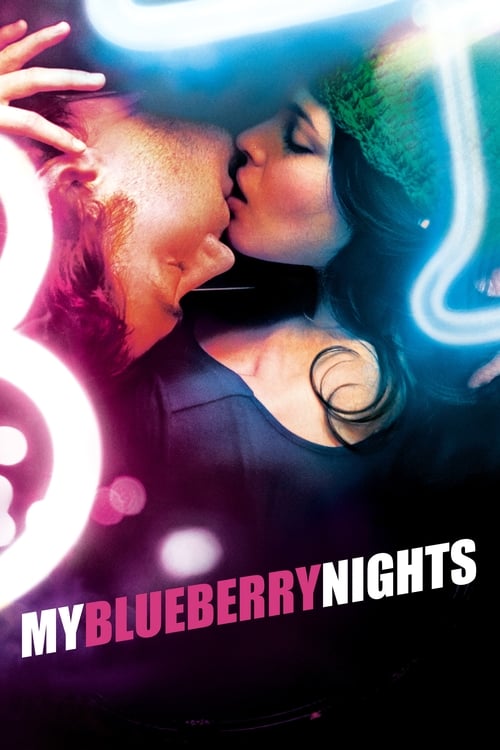
My Blueberry Nights
2007 · Directed by Wong Kar-Wai
Woke Score
CriticCritic Score
Audience
Ultra Based
Critics rated this 43 points above its woke score. Among Ultra Based films, this critic score ranks #1138 of 1469.
Representation Casting
Score: 25/100
The cast includes international and diverse performers, but their casting appears organic to the story rather than a deliberate statement about representation or identity politics.
LGBTQ+ Themes
Score: 0/100
There is no evidence of LGBTQ+ themes, characters, or representation in the film.
Feminist Agenda
Score: 15/100
The female protagonist initiates her own journey and is portrayed as independent, but this reflects classical romantic drama tradition rather than modern feminist ideology or commentary.
Racial Consciousness
Score: 0/100
The film does not engage with racial themes or racial consciousness as a narrative or thematic concern.
Climate Crusade
Score: 0/100
There is no evidence of climate-related themes or environmental consciousness in the film.
Eat the Rich
Score: 0/100
The film does not critique capitalism or present anti-capitalist themes or messaging.
Body Positivity
Score: 0/100
There is no evidence of body positivity rhetoric or commentary regarding body image in the film.
Neurodivergence
Score: 0/100
The film does not address neurodivergence or disability representation.
Revisionist History
Score: 0/100
The film does not engage with historical revision or reinterpretation of historical events or narratives.
Lecture Energy
Score: 5/100
The film occasionally verges on philosophical meditation about relationships and loneliness, but it does not adopt a preachy or hectoring tone about social issues.


Synopsis
Elizabeth has just been through a particularly nasty breakup, and now she's ready to leave her friends and memories behind as she chases her dreams across the country. In order to support herself on her journey, Elizabeth picks up a series of waitress jobs along the way. As Elizabeth crosses paths with a series of lost souls whose yearnings are even greater than her own, their emotional turmoil ultimately helps her gain a greater understanding of her own problems...
Consciousness Assessment
Wong Kar-Wai's American road movie debut concerns itself with the timeless language of heartbreak and transience rather than the vernacular of contemporary social consciousness. Elizabeth's journey across the country presents a female protagonist who drives her own narrative, yet this choice reflects classical romantic drama tradition more than any commitment to progressive gender ideology. The film's ensemble of marginalized characters and lost souls serves the story's emotional architecture, not as vehicles for identity-conscious commentary.
The film operates in a register of aesthetic melancholy and philosophical wandering that predates the 2020s cultural moment by a considerable margin. While the cast includes international performers of various backgrounds, their presence functions as organic casting within a story about human connection rather than as a deliberate statement about representation or diversity. There is no evidence of engagement with climate themes, anti-capitalist sentiment, body positivity rhetoric, disability representation, or the hectoring tone that characterizes contemporary progressive cinema.
What emerges from the film's refusal to moralize or lecture about social structures is a work firmly outside the contemporary landscape of socially conscious filmmaking. It concerns itself with the interior life, not the political consciousness.
Analysis generated by our Consciousness Algorithm
Critic Reviews
“Captures the overwhelming and uncontrollable emotional assault of loving and living through captured moments and sensuous images.”
“Despite its flaws, the film has the same dreamy, romantic melancholy that distinguishes Wong's best films.”
“Wong's visions of a New York café, a Memphis bar, and a Vegas casino--not to mention the swaths of beautiful country in the Southwest--have that enveloping quality that make his films so persistently seductive. The natives should feel flattered.”
“Fractured, tentative, oh-so-artsy and very much in the style of Wong's previous Hong Kong-set boy-meets-girl movies. But this time, the effect is contrived: a star-driven pseudo-indie affair that will please neither celebrity worshipers nor cineastes.”
Consciousness Markers
The cast includes international and diverse performers, but their casting appears organic to the story rather than a deliberate statement about representation or identity politics.
There is no evidence of LGBTQ+ themes, characters, or representation in the film.
The female protagonist initiates her own journey and is portrayed as independent, but this reflects classical romantic drama tradition rather than modern feminist ideology or commentary.
The film does not engage with racial themes or racial consciousness as a narrative or thematic concern.
There is no evidence of climate-related themes or environmental consciousness in the film.
The film does not critique capitalism or present anti-capitalist themes or messaging.
There is no evidence of body positivity rhetoric or commentary regarding body image in the film.
The film does not address neurodivergence or disability representation.
The film does not engage with historical revision or reinterpretation of historical events or narratives.
The film occasionally verges on philosophical meditation about relationships and loneliness, but it does not adopt a preachy or hectoring tone about social issues.