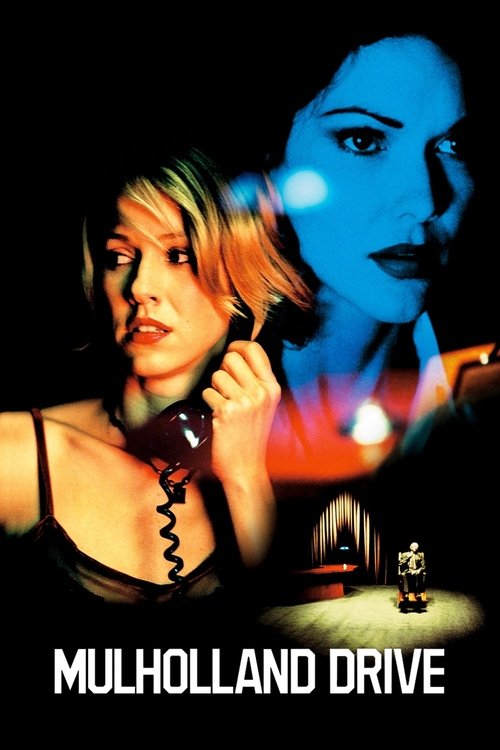
Mulholland Drive
2001 · Directed by David Lynch
Woke Score
CriticCritic Score
Based
Critics rated this 39 points above its woke score. Among Based films, this critic score ranks #101 of 345.
Representation Casting
Score: 25/100
The cast is predominantly white with minimal representation of people of color. While the two female leads carry the narrative, there is no intentional diversity in supporting roles.
LGBTQ+ Themes
Score: 55/100
The film depicts same-sex desire between its female leads, though scholars note the tension between male fantasy and genuine intimacy. The treatment is ambiguous rather than celebratory.
Feminist Agenda
Score: 40/100
Female characters are central and possess agency, but the film's structure and tragic conclusion suggest ambivalence about female power rather than affirmation of it.
Racial Consciousness
Score: 0/100
The film shows no particular consciousness of racial dynamics or inclusion beyond surface representation. Hollywood's institutional racism is not addressed.
Climate Crusade
Score: 0/100
Environmental concerns are entirely absent from the film's thematic concerns and narrative.
Eat the Rich
Score: 35/100
The film critiques Hollywood's predatory capitalism and power dynamics, but does so through surrealism and existential dread rather than systematic analysis.
Body Positivity
Score: 10/100
The film presents conventional Hollywood beauty standards without any subversion or celebration of body diversity.
Neurodivergence
Score: 5/100
Amnesia functions as plot device rather than any genuine exploration of neurological difference or disability representation.
Revisionist History
Score: 0/100
The film does not engage in historical revisionism or reinterpretation of established historical narratives.
Lecture Energy
Score: 10/100
Lynch's aesthetic prioritizes the unconscious and ambiguous over preachy explanation or moral instruction.


Synopsis
Blonde Betty Elms has only just arrived in Hollywood to become a movie star when she meets an enigmatic brunette with amnesia. Meanwhile, as the two set off to solve the second woman's identity, filmmaker Adam Kesher runs into ominous trouble while casting his latest project.
Consciousness Assessment
Mulholland Drive occupies a curious position in any assessment of contemporary cultural sensibilities. Released at the turn of the millennium, it predates the cultural moment that would come to define modern progressive discourse, yet it contains thematic elements that warrant serious examination through this particular lens. The film's central relationship between Betty and Rita, two women navigating Hollywood's treacherous landscape, has been extensively analyzed in queer theory and lesbian cinema studies as a complex meditation on desire, fantasy, and tragedy. The women are central to the narrative and possess agency within its dreamlike structure, though Lynch's treatment expresses ambivalence rather than celebration of their connection.
The broader Hollywood critique touches on capitalism and patriarchal power structures, though Lynch's approach remains oblique and existential rather than preachy. The film presents a predominantly white cast with minimal representation of people of color in any meaningful capacity. There is no engagement with body diversity, disability representation, or environmental concerns. The film neither revises history nor adopts the explanatory tone that contemporary cultural messaging often employs. This is work from the pre-woke era, made by a director more invested in the unconscious and the surreal than in systematic social analysis. Its progressive elements emerge from artistic sensibility rather than explicit cultural agenda.
We should score it accordingly: a film that touches certain progressive markers without embracing them as core principles. It remains a work of considerable artistic achievement, but one animated by concerns far removed from the constellation of 2020s social consciousness that defines contemporary wokeness. The assessment reflects this disconnect between artistic intention and retrospective cultural analysis.
Analysis generated by our Consciousness Algorithm
Critic Reviews
“The movie is a surrealist dreamscape in the form of a Hollywood film noir, and the less sense it makes, the more we can't stop watching it.”
“Mulholland Drive, like all his movies, isn't an equation to be solved but a dream to be shared.”
“More than any Lynch movie since Eraserhead, this noir-ish Hollywood saga has the shadowy texture and pliant foundation of a dream.”
“When a movie is still being dissected, projected, and mused upon after 25 years, you know you have an undeniably permanent piece of cinema lore.”
Consciousness Markers
The cast is predominantly white with minimal representation of people of color. While the two female leads carry the narrative, there is no intentional diversity in supporting roles.
The film depicts same-sex desire between its female leads, though scholars note the tension between male fantasy and genuine intimacy. The treatment is ambiguous rather than celebratory.
Female characters are central and possess agency, but the film's structure and tragic conclusion suggest ambivalence about female power rather than affirmation of it.
The film shows no particular consciousness of racial dynamics or inclusion beyond surface representation. Hollywood's institutional racism is not addressed.
Environmental concerns are entirely absent from the film's thematic concerns and narrative.
The film critiques Hollywood's predatory capitalism and power dynamics, but does so through surrealism and existential dread rather than systematic analysis.
The film presents conventional Hollywood beauty standards without any subversion or celebration of body diversity.
Amnesia functions as plot device rather than any genuine exploration of neurological difference or disability representation.
The film does not engage in historical revisionism or reinterpretation of established historical narratives.
Lynch's aesthetic prioritizes the unconscious and ambiguous over preachy explanation or moral instruction.