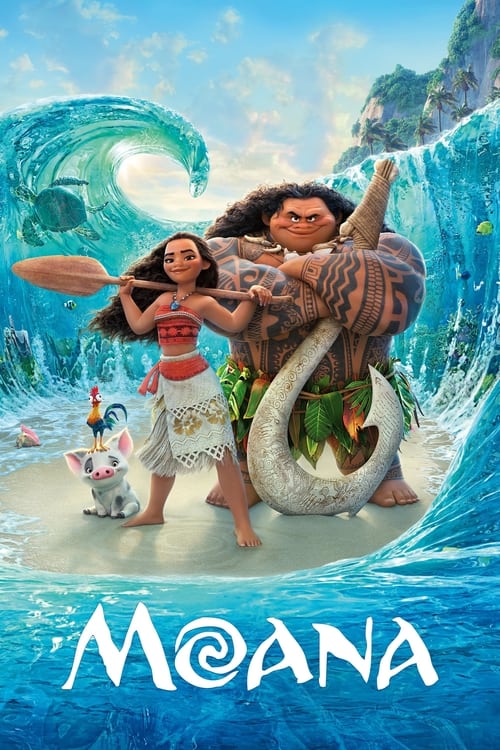
Moana
2016 · Directed by Ron Clements
Woke Score
CriticCritic Score
Audience
Woke-Adjacent
Critics rated this 23 points above its woke score. Among Woke-Adjacent films, this critic score ranks #33 of 151.
Representation Casting
Score: 82/100
Strong Pacific Islander casting with Auliʻi Cravalho as lead and Temuera Morrison, Rachel House, and others in supporting roles. Represents deliberate effort to center indigenous voices rather than whitewash.
LGBTQ+ Themes
Score: 5/100
No substantive LGBTQ+ representation or themes. The film contains no queer characters or relationships of any significance.
Feminist Agenda
Score: 72/100
Female protagonist pursues her own journey and destiny rather than conforming to expected social role. She rejects passive acceptance and chooses active leadership, though the framing remains conventional heroic narrative.
Racial Consciousness
Score: 75/100
Film centers Polynesian culture and mythology as primary rather than exotic backdrop. Cultural consultation visible in world-building, though engagement remains celebratory rather than critically interrogative.
Climate Crusade
Score: 15/100
While environmental themes exist in the plot, they lack any connection to contemporary climate crisis discourse or systemic environmental critique.
Eat the Rich
Score: 0/100
No meaningful engagement with economic systems or wealth disparity. The film celebrates community and tradition but within entirely apolitical frameworks.
Body Positivity
Score: 10/100
Characters possess varied body types, but this reflects realistic character design rather than intentional body positivity messaging or critique of beauty standards.
Neurodivergence
Score: 0/100
No representation of neurodivergent characters or engagement with disability or neurodiversity themes.
Revisionist History
Score: 25/100
Film draws from Polynesian mythology and legend rather than historical fact, but presents cultural heritage without examining colonial erasure or historical injustices.
Lecture Energy
Score: 28/100
Generally integrates themes naturally into narrative without heavy-handed exposition, though occasional moments of on-the-nose dialogue about destiny and identity veer toward preachy.


Synopsis
In Ancient Polynesia, when a terrible curse incurred by Maui reaches an impetuous Chieftain's daughter's island, she answers the Ocean's call to seek out the demigod to set things right.
Consciousness Assessment
Moana represents a curious inflection point in contemporary animated cinema, where corporate gatekeeping of cultural representation paradoxically produces outcomes that align with certain progressive sensibilities. The film centers a young Polynesian woman as the active agent of her own narrative, rejecting the traditional marriage plot in favor of self-discovery and community leadership. This choice, while narratively sound, also happens to tick a particular box in the modern cultural consciousness. The casting of Auliʻi Cravalho and supporting Pacific Islander actors signals a deliberate effort to move beyond the historical practice of whitewashing indigenous stories, a welcome correction that nevertheless carries the faint aroma of corporate damage control.
The film's engagement with Pacific Islander mythology and culture operates on a surface level that oscillates between respectful and reductive. Moana consults with cultural advisors and incorporates genuine Polynesian elements into its world-building, yet the ultimate product remains a Disney product, shaped by the exigencies of global box office appeal and narrative convention. The story avoids the worst excesses of cultural appropriation but also resists any genuine interrogation of colonialism, resource extraction, or the ongoing complications of indigenous sovereignty. It celebrates cultural pride without examining the historical forces that threatened to erase it entirely.
Where Moana falters as a vehicle for progressive messaging is in its refusal to commit to any particular social consciousness beyond the most agreeable platitudes. The film contains no substantive engagement with environmental destruction, economic systems, queer representation, or disability awareness. It is, ultimately, a film about a girl who goes on an adventure and discovers her destiny. That this girl is Polynesian and female represents progress only when measured against Disney's own wretched history of representation. The film's cultural awareness exists within carefully defined parameters, never threatening the underlying commercial logic that produced it.
Analysis generated by our Consciousness Algorithm
Critic Reviews
“A moving, hilarious and stunningly-animated adventure epic.”
“Everything in the picture, from the characters’ clothes and hairstyles to the vessels they sail, bear the stamp of authenticity. But Moana’s greatest strength is the verve in which they move the action along and the sheer joyousness evident in every aspect of their storytelling.”
“All the beats proceed exactly as expected, but they hit with admirably precise timing, amid a strikingly beautiful landscape where every leaf is rendered with loving clarity. The humor, the wonder, and the awwww moments all hit home comfortably. This is such a perfect execution of the Disney formula, it feels like the movie the studio has been trying to make since Snow White.”
“Despite a few fantastic deviations (including the lack of a love interest to hinder our hero’s development), Moana is still very much a paint-by-numbers narrative.”
Consciousness Markers
Strong Pacific Islander casting with Auliʻi Cravalho as lead and Temuera Morrison, Rachel House, and others in supporting roles. Represents deliberate effort to center indigenous voices rather than whitewash.
No substantive LGBTQ+ representation or themes. The film contains no queer characters or relationships of any significance.
Female protagonist pursues her own journey and destiny rather than conforming to expected social role. She rejects passive acceptance and chooses active leadership, though the framing remains conventional heroic narrative.
Film centers Polynesian culture and mythology as primary rather than exotic backdrop. Cultural consultation visible in world-building, though engagement remains celebratory rather than critically interrogative.
While environmental themes exist in the plot, they lack any connection to contemporary climate crisis discourse or systemic environmental critique.
No meaningful engagement with economic systems or wealth disparity. The film celebrates community and tradition but within entirely apolitical frameworks.
Characters possess varied body types, but this reflects realistic character design rather than intentional body positivity messaging or critique of beauty standards.
No representation of neurodivergent characters or engagement with disability or neurodiversity themes.
Film draws from Polynesian mythology and legend rather than historical fact, but presents cultural heritage without examining colonial erasure or historical injustices.
Generally integrates themes naturally into narrative without heavy-handed exposition, though occasional moments of on-the-nose dialogue about destiny and identity veer toward preachy.