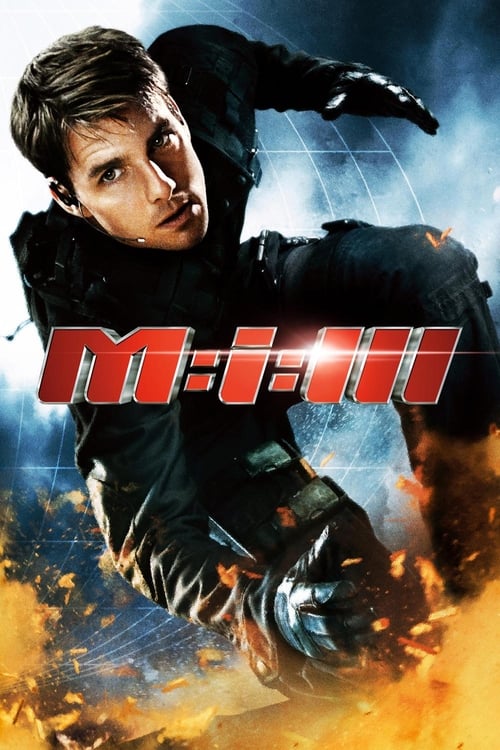
Mission: Impossible III
2006 · Directed by J.J. Abrams
Woke Score
CriticCritic Score
Audience
Ultra Based
Critics rated this 62 points above its woke score. Among Ultra Based films, this critic score ranks #741 of 1469.
Representation Casting
Score: 15/100
The ensemble includes women and actors of color in supporting roles, reflecting 2006 mainstream casting practices rather than conscious representation choices. Michelle Monaghan and Maggie Q are present but not central to the narrative.
LGBTQ+ Themes
Score: 0/100
No LGBTQ+ themes, characters, or subtext present. The film remains entirely heteronormative in its romantic and social dynamics.
Feminist Agenda
Score: 5/100
Female characters exist as love interest, team member, and antagonist but without any feminist thematic engagement. They are functional to plot rather than agents of any particular perspective.
Racial Consciousness
Score: 5/100
Ving Rhames and other actors of color appear in the ensemble cast, but the film contains no racial consciousness or examination of race-related themes.
Climate Crusade
Score: 0/100
No environmental or climate-related themes. The film's concerns are entirely divorced from ecological or climate consciousness.
Eat the Rich
Score: 0/100
No critique of capitalism or systemic wealth inequality. The villain's arms-dealing is treated as personal villainy, not as symptomatic of broader economic systems.
Body Positivity
Score: 0/100
No body positivity themes present. The film features conventionally attractive actors and contains no commentary on body diversity or acceptance.
Neurodivergence
Score: 0/100
No neurodivergent representation or themes. The film contains no characters coded as neurodivergent or any engagement with neurodiversity.
Revisionist History
Score: 0/100
No historical revisionism present. The film is set in a contemporary espionage milieu with no engagement with historical narratives.
Lecture Energy
Score: 2/100
The film maintains genre conventions without preachy exposition. Occasional spy-craft explanations are functional rather than preachy, though minimal.


Synopsis
Retired from active duty, and training recruits for the Impossible Mission Force, agent Ethan Hunt faces the toughest foe of his career: Owen Davian, an international broker of arms and information, who's as cunning as he is ruthless. Davian emerges to threaten Hunt and all that he holds dear – including the woman Hunt loves.
Consciousness Assessment
Mission: Impossible III arrives as a 2006 action spectacle largely indifferent to the progressive sensibilities that would come to dominate Hollywood discourse in the following decade. J.J. Abrams inherited a franchise built on mechanical plot efficiency and Tom Cruise's reliable agility, not social commentary. The film's female characters exist in supporting roles: Michelle Monaghan as a love interest, Keri Russell as a team member, Maggie Q as an adversary. None of these casting choices emerged from a particular commitment to representation. They are simply there.
The narrative contains no discernible engagement with contemporary social issues. There is no climate crusade, no interrogation of capitalism's machinery, no neurodivergent representation, no revisionist reckoning with history. The film concerns itself entirely with the mechanics of espionage theater and the emotional stakes of Hunt's personal life. Philip Seymour Hoffman's villain exists to be defeated, not to embody any system worthy of critique. The action sequences, however competent, carry no ideological weight.
What modest scores this film receives reflect only the incidental presence of women and one actor of color in its ensemble cast, a basic demographic fact of mainstream cinema by 2006 rather than evidence of any particular consciousness. This is pure entertainment indifferent to its own cultural moment. One might praise it for that indifference, or lament it as a missed opportunity, but neither position changes the fundamental reality: Mission: Impossible III concerns itself with nothing beyond the immediate satisfaction of its genre obligations.
Analysis generated by our Consciousness Algorithm
Critic Reviews
“Yes, it's fundamentally business as usual, but it's the best kind of business as usual, and it finds everyone working in top form. Abrams imports and enlarges "Alias'" smooth, stylish, yet remarkably visceral approach to action, and the actors pack a satisfying amount of drama into the moments between action scenes.”
“A gratifyingly clever, booby-trapped thriller that has enough fun and imagination and dash to more than justify its existence.”
“It's an expertly engineered popcorn movie - hold the butter substitute - but it also tries (and fails) to be a love story for the ages.”
“Aside from a single jazzy image of Hunt taking a nosedive off a Shanghai skyscraper, Abrams' movie is too oppressive, too enamored of its brutality to deliver anything like real thrills; its deeply unpleasant tone nearly makes you long even for Woo's cartoon absurdities.”
Consciousness Markers
The ensemble includes women and actors of color in supporting roles, reflecting 2006 mainstream casting practices rather than conscious representation choices. Michelle Monaghan and Maggie Q are present but not central to the narrative.
No LGBTQ+ themes, characters, or subtext present. The film remains entirely heteronormative in its romantic and social dynamics.
Female characters exist as love interest, team member, and antagonist but without any feminist thematic engagement. They are functional to plot rather than agents of any particular perspective.
Ving Rhames and other actors of color appear in the ensemble cast, but the film contains no racial consciousness or examination of race-related themes.
No environmental or climate-related themes. The film's concerns are entirely divorced from ecological or climate consciousness.
No critique of capitalism or systemic wealth inequality. The villain's arms-dealing is treated as personal villainy, not as symptomatic of broader economic systems.
No body positivity themes present. The film features conventionally attractive actors and contains no commentary on body diversity or acceptance.
No neurodivergent representation or themes. The film contains no characters coded as neurodivergent or any engagement with neurodiversity.
No historical revisionism present. The film is set in a contemporary espionage milieu with no engagement with historical narratives.
The film maintains genre conventions without preachy exposition. Occasional spy-craft explanations are functional rather than preachy, though minimal.