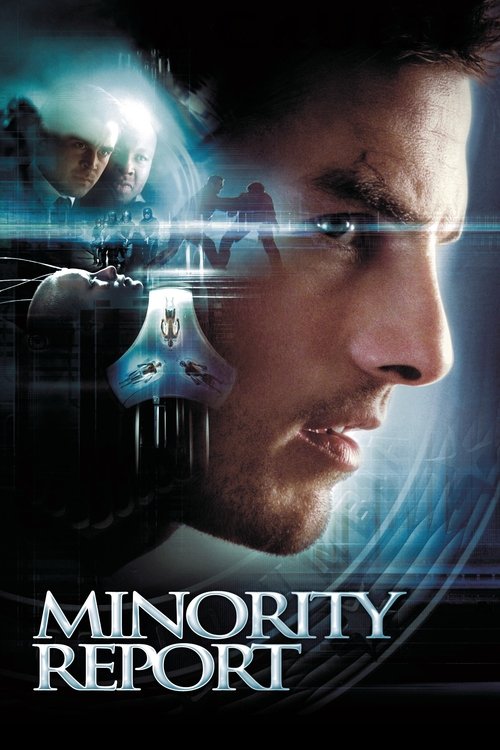
Minority Report
2002 · Directed by Steven Spielberg
Woke Score
CriticCritic Score
Audience
Ultra Based
Critics rated this 68 points above its woke score. Among Ultra Based films, this critic score ranks #369 of 1469.
Representation Casting
Score: 28/100
The cast includes some diversity with Colin Farrell (Irish), Samantha Morton, and Steve Harris in supporting roles, but the film centers Tom Cruise without particular consciousness of representation as a value.
LGBTQ+ Themes
Score: 0/100
No LGBTQ themes, characters, or representation in the film.
Feminist Agenda
Score: 22/100
Samantha Morton's character Agatha is exploited and institutionalized, which touches on bodily autonomy issues, but the film does not engage this through a feminist lens or address gender dynamics systematically.
Racial Consciousness
Score: 5/100
The precrime system could be read as a metaphor for racialized surveillance and control, but the film treats it as a neutral technological problem rather than engaging systemic racial bias.
Climate Crusade
Score: 0/100
No climate-related themes or environmental consciousness in the film.
Eat the Rich
Score: 15/100
The film critiques institutional overreach and technological corporate control minimally, focusing instead on individual liberty against government rather than systemic economic exploitation.
Body Positivity
Score: 0/100
No engagement with body positivity, diverse body representation, or related themes.
Neurodivergence
Score: 12/100
Agatha's precognitive abilities could be interpreted as a form of neurodivergence that is exploited, but the film does not frame or discuss this in contemporary terms.
Revisionist History
Score: 0/100
The film is set in a fictional future and does not engage with historical narratives or revisionism.
Lecture Energy
Score: 8/100
While the film has thematic depth about surveillance and freedom, it does not present these as moral lectures or progressive sermons; it remains primarily a thriller.


Synopsis
John Anderton is a top 'Precrime' cop in the late-21st century, when technology can predict crimes before they're committed. But Anderton becomes the quarry when another investigator targets him for a murder charge.
Consciousness Assessment
Minority Report is a quality science fiction thriller that engages genuinely important questions about technology and freedom, but these concerns predate and exist outside the framework of contemporary progressive cultural markers. The casting reflects early-2000s Hollywood norms without particular emphasis on diversity consciousness. Tom Cruise anchors the narrative as the protagonist, while Colin Farrell, Samantha Morton, and Max von Sydow fill supporting roles. Samantha Morton's character, Agatha, is a precognitive woman who has been institutionalized and exploited by the precrime system, which offers some thematic resonance with critiques of bodily autonomy and institutional abuse, though the film does not frame this through a contemporary social justice lens.
The film's engagement with questions of justice centers on procedural fairness and individual rights rather than systemic bias or collective liberation. There are no meaningful LGBTQ themes, no overt feminist agenda, and no material engagement with climate, anti-capitalist, or revisionist historical concerns. The precrime system itself, while resembling surveillance infrastructure that contemporary critics might interrogate through the lens of systemic racism and state violence, is presented as a neutral technology problem rather than a manifestation of institutional bias. The film does not present itself as a lecture on social consciousness or progressive values.
We are scoring the degree to which the film exhibits 2020s-era social consciousness, not the quality of its political philosophy or its prescient concerns about surveillance. Minority Report is a smart film about power and justice, but not a socially conscious one in the specific modern sense we are measuring.
Analysis generated by our Consciousness Algorithm
Critic Reviews
“This is the kind of pure entertainment that, in its fullness and generosity, feels almost classic.”
“May show both director and star working at their professional peaks, but I don't think it's as good as that underappreciated masterwork "A.I." It's not as resonant and daring, not as full of magic and marvel. Spielberg stretches himself technically here but not emotionally.”
“A heart-pounding experience that makes you think and contains a gallery of characters that will haunt your nightmares for years to come.”
“Though his movie wraps challenging ideas and ingenious visual conceits in a futurist film-noir style, it's pretentious, didactic and intentionally but mercilessly bleak in ways that classic noir never was.”
Consciousness Markers
The cast includes some diversity with Colin Farrell (Irish), Samantha Morton, and Steve Harris in supporting roles, but the film centers Tom Cruise without particular consciousness of representation as a value.
No LGBTQ themes, characters, or representation in the film.
Samantha Morton's character Agatha is exploited and institutionalized, which touches on bodily autonomy issues, but the film does not engage this through a feminist lens or address gender dynamics systematically.
The precrime system could be read as a metaphor for racialized surveillance and control, but the film treats it as a neutral technological problem rather than engaging systemic racial bias.
No climate-related themes or environmental consciousness in the film.
The film critiques institutional overreach and technological corporate control minimally, focusing instead on individual liberty against government rather than systemic economic exploitation.
No engagement with body positivity, diverse body representation, or related themes.
Agatha's precognitive abilities could be interpreted as a form of neurodivergence that is exploited, but the film does not frame or discuss this in contemporary terms.
The film is set in a fictional future and does not engage with historical narratives or revisionism.
While the film has thematic depth about surveillance and freedom, it does not present these as moral lectures or progressive sermons; it remains primarily a thriller.