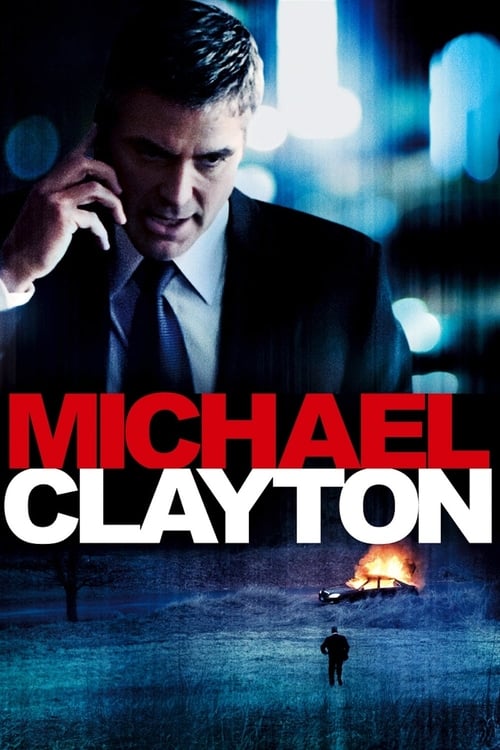
Michael Clayton
2007 · Directed by Tony Gilroy
Woke Score
CriticCritic Score
Audience
Based
Critics rated this 60 points above its woke score. Among Based films, this critic score ranks #57 of 345.
Representation Casting
Score: 0/100
The cast is predominantly white and male with no meaningful diversity initiatives evident. While Tilda Swinton delivers a strong performance, her role as a corporate villain does not constitute progressive representation.
LGBTQ+ Themes
Score: 0/100
The film contains no LGBTQ+ characters, themes, or representation of any kind.
Feminist Agenda
Score: 10/100
Tilda Swinton's character is a powerful corporate executive operating in a male-dominated space, but she functions as an antagonist rather than advancing feminist themes or progressive female representation.
Racial Consciousness
Score: 0/100
The film does not engage with racial themes, systemic racism, or racial representation. Race is not a factor in the narrative.
Climate Crusade
Score: 25/100
The lawsuit involves corporate environmental contamination and toxic harm, but this functions as plot mechanics rather than environmental advocacy or climate consciousness. The film does not foreground ecological concerns.
Eat the Rich
Score: 35/100
The film critiques corporate corruption, legal malfeasance, and institutional willingness to cover up environmental harm for profit. However, this critique is embedded in a noir worldview suggesting that moral compromise pervades all levels of society rather than calling for systemic change.
Body Positivity
Score: 0/100
The film contains no engagement with body diversity, body image, or body positivity themes.
Neurodivergence
Score: 0/100
While one character experiences mental health crisis, this is not treated as neurodivergence requiring representation or accommodation. It functions as plot device rather than social commentary.
Revisionist History
Score: 0/100
The film does not reframe historical events or engage in historical revisionism of any kind.
Lecture Energy
Score: 5/100
The film is subtle in its messaging about corporate corruption. It does not lecture the audience or make explicit preachy pronouncements about systemic injustice or required social transformation.


Synopsis
A law firm brings in its "fixer" to remedy the situation after a lawyer has a breakdown while representing a chemical company that he knows is guilty in a multi-billion dollar class action suit.
Consciousness Assessment
Michael Clayton presents itself as a sophisticated examination of moral compromise in the legal profession, with particular attention to the complicity of institutions in environmental harm and corporate malfeasance. The film's central conflict involves a chemical company's culpability in toxic contamination, a lawsuit designed to expose corporate negligence and cover-up. Yet this material serves primarily as plot scaffolding for a character study about a man navigating the moral quicksand of his profession. The critique of corporate power, while present, remains implicit and filtered through a noir sensibility that treats ethical corruption as a universal condition rather than a systemic injustice demanding redress.
The film's treatment of its female antagonist, Karen Crowder, deserves mention. Tilda Swinton's performance is genuinely unsettling, a portrait of a woman operating with ruthless efficiency within corporate hierarchies. She is powerful, intelligent, and morally bankrupt. Yet the film does not position her as a progressive representation of female power in professional spaces. She is simply a villain who happens to be a woman. The broader cast remains overwhelmingly white and male, and the film makes no apparent effort toward inclusive representation or acknowledgment of systemic inequality.
What emerges from Clayton's journey is not a call for institutional reform or social transformation, but rather a deeply weary recognition that the machinery of law and commerce will grind on regardless of individual moral awakening. This represents serious adult drama. By the standards of contemporary progressive sensibility, it remains conspicuously distant.
Analysis generated by our Consciousness Algorithm
Critic Reviews
“It's better than good; it's such a crackling and mature and accomplished movie that it just about restores your faith.”
“It's a rare film that can challenge our minds and rattle our nerves so profoundly. This is unequivocally a thriller for adults. A deftly written, tautly suspenseful and intellectually demanding morality tale.”
“I don't know what vast significance Michael Clayton has (it involves deadly pollution but isn't a message movie). But I know it is just about perfect as an exercise in the genre.”
“Without the steadfast intelligence of Clooney's performance, Michael Clayton wouldn't work half as well as it does.”
Consciousness Markers
The cast is predominantly white and male with no meaningful diversity initiatives evident. While Tilda Swinton delivers a strong performance, her role as a corporate villain does not constitute progressive representation.
The film contains no LGBTQ+ characters, themes, or representation of any kind.
Tilda Swinton's character is a powerful corporate executive operating in a male-dominated space, but she functions as an antagonist rather than advancing feminist themes or progressive female representation.
The film does not engage with racial themes, systemic racism, or racial representation. Race is not a factor in the narrative.
The lawsuit involves corporate environmental contamination and toxic harm, but this functions as plot mechanics rather than environmental advocacy or climate consciousness. The film does not foreground ecological concerns.
The film critiques corporate corruption, legal malfeasance, and institutional willingness to cover up environmental harm for profit. However, this critique is embedded in a noir worldview suggesting that moral compromise pervades all levels of society rather than calling for systemic change.
The film contains no engagement with body diversity, body image, or body positivity themes.
While one character experiences mental health crisis, this is not treated as neurodivergence requiring representation or accommodation. It functions as plot device rather than social commentary.
The film does not reframe historical events or engage in historical revisionism of any kind.
The film is subtle in its messaging about corporate corruption. It does not lecture the audience or make explicit preachy pronouncements about systemic injustice or required social transformation.