Marc by Sofia
2026 · Directed by Sofia Coppola
Woke Score
CriticCritic Score
Ultra Based
Critics rated this 41 points above its woke score. Among Ultra Based films, this critic score ranks #922 of 1469.
Representation Casting
Score: 5/100
The film features primarily fashion industry figures and Marc Jacobs' professional circle. No apparent effort to diversify casting or highlight underrepresented voices in the creative process.
LGBTQ+ Themes
Score: 15/100
Marc Jacobs is an openly gay designer, but the documentary does not center or explicitly address LGBTQ+ themes. His identity exists in the background rather than as a subject of examination.
Feminist Agenda
Score: 8/100
Sofia Coppola's perspective as a female filmmaker is present, but the film does not engage with feminist critique or gender analysis of the fashion industry or creative labor.
Racial Consciousness
Score: 5/100
No evidence in critical reception that the film addresses racial dynamics, diversity in fashion, or systemic issues related to racial representation in design.
Climate Crusade
Score: 2/100
The documentary focuses on fashion design and creative process. No apparent engagement with climate change, sustainability, or environmental concerns related to the fashion industry.
Eat the Rich
Score: 10/100
The film celebrates a successful luxury fashion designer and his brand empire. While not explicitly pro-capitalist, it lacks any critique of wealth, consumption, or economic structures.
Body Positivity
Score: 3/100
As a documentary about a fashion designer preparing a collection, there is no indication the film engages with body diversity, size inclusivity, or challenges to beauty standards.
Neurodivergence
Score: 8/100
The film explores Jacobs' self-doubt and creative anxiety, which some might read as depicting neurodivergent traits. However, this is incidental observation rather than intentional representation or advocacy.
Revisionist History
Score: 5/100
The documentary includes archival footage and reflects on Jacobs' career trajectory from Parsons through his major collections. No apparent reinterpretation of historical events or revisionist framing.
Lecture Energy
Score: 12/100
Reviews emphasize the film as a casual, intimate conversation between friends rather than an instructional or didactic work. Coppola avoids voiceover explanation or explicit thematic commentary.
Synopsis
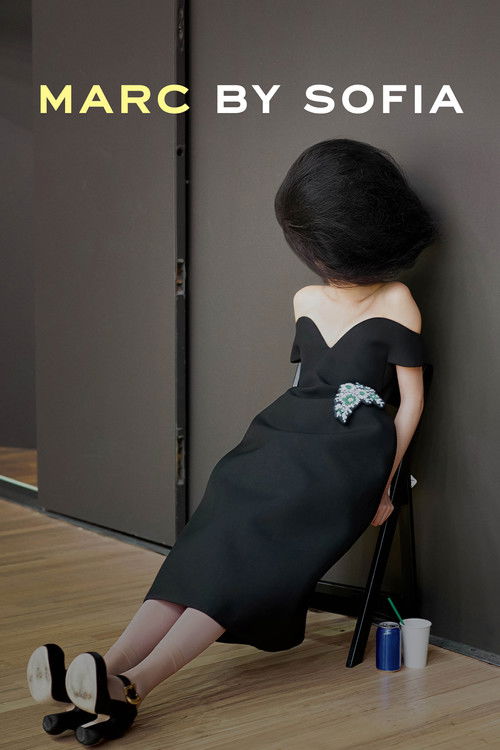
An intimate, unconventional portrait of Marc Jacobs, crafted by Sofia Coppola to capture the genius and singular universe of the iconic American designer.
Consciousness Assessment
Sofia Coppola's first nonfiction feature is a portrait of comfort, both artistic and interpersonal. The film documents fashion designer Marc Jacobs in his natural habitat: preparing a collection, doubting himself, reflecting on decades of work. Coppola's approach is painterly rather than polemical. She trains her camera on creative process, not cultural argument. The result is something closer to a mood board than a manifesto, closer to a filmed conversation between friends than a statement of purpose.
What makes the film so resolutely uninterested in contemporary social consciousness is precisely what makes it charming. Coppola and Jacobs move through the world of high fashion, a domain historically associated with progressive values and LGBTQ+ visibility, yet the film treats these elements as backdrop rather than subject. Jacobs' identity, his sexuality, his decades spent in an industry that has championed both innovation and inclusion, remain largely unmarked upon. The documentary is content to simply show him working, thinking, occasionally despairing about his own talent. There is no audit of representation, no inventory of progress.
The film's refusal to engage with contemporary cultural frameworks reads almost as a form of resistance, though probably unintentional. In an era when documentaries about artists are expected to contextualize their subjects within larger systems of power and privilege, Coppola instead offers something defiantly apolitical: the portrait of a singular mind at work. We are left to simply watch, to observe, to remain present with the subject rather than constantly measuring against external scales of cultural value.
Analysis generated by our Consciousness Algorithm
Critic Reviews
“That someone as successful as Jacobs is so beset by a lack of confidence is a compelling conceit — it also speaks to Coppola’s own interest in the subject, admirable indeed — but in Marc by Sofia, we really believe him. He really is just that worried, always that worried. ”
“It’s a visually pleasing, vibe-rich diversion that is as enjoyable as flipping through a well-laid-out fashion magazine, or perhaps perusing through Coppola’s accompanying coffee table book on Jacobs of the same name. ”
“We might not come away understanding Jacobs or his world better, but we can still enjoy spending time with him. ”
“Why an Oscar-winning screenwriter would make a film that makes so little attempt to dig into its central character is baffling. That an Oscar-nominated director with a celebrated eye for the ethereal, strange world of girl-women living in beautiful boxes could make a film as workaday as this one is frustrating.”
Consciousness Markers
The film features primarily fashion industry figures and Marc Jacobs' professional circle. No apparent effort to diversify casting or highlight underrepresented voices in the creative process.
Marc Jacobs is an openly gay designer, but the documentary does not center or explicitly address LGBTQ+ themes. His identity exists in the background rather than as a subject of examination.
Sofia Coppola's perspective as a female filmmaker is present, but the film does not engage with feminist critique or gender analysis of the fashion industry or creative labor.
No evidence in critical reception that the film addresses racial dynamics, diversity in fashion, or systemic issues related to racial representation in design.
The documentary focuses on fashion design and creative process. No apparent engagement with climate change, sustainability, or environmental concerns related to the fashion industry.
The film celebrates a successful luxury fashion designer and his brand empire. While not explicitly pro-capitalist, it lacks any critique of wealth, consumption, or economic structures.
As a documentary about a fashion designer preparing a collection, there is no indication the film engages with body diversity, size inclusivity, or challenges to beauty standards.
The film explores Jacobs' self-doubt and creative anxiety, which some might read as depicting neurodivergent traits. However, this is incidental observation rather than intentional representation or advocacy.
The documentary includes archival footage and reflects on Jacobs' career trajectory from Parsons through his major collections. No apparent reinterpretation of historical events or revisionist framing.
Reviews emphasize the film as a casual, intimate conversation between friends rather than an instructional or didactic work. Coppola avoids voiceover explanation or explicit thematic commentary.