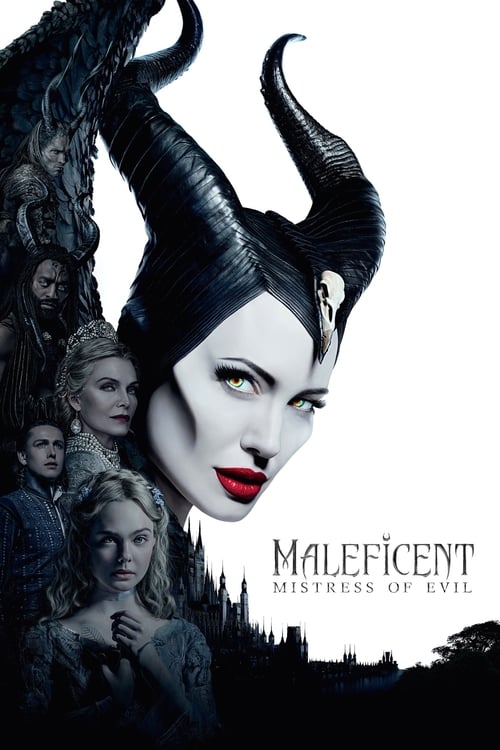
Maleficent: Mistress of Evil
2019 · Directed by Joachim Rønning
Woke Score
CriticCritic Score
Audience
Woke-Adjacent
Critics rated this 5 points below its woke score. Among Woke-Adjacent films, this critic score ranks #144 of 151.
Representation Casting
Score: 45/100
The cast includes Chiwetel Ejiofor and other actors of color, providing racial diversity in secondary roles. However, diversity is incidental rather than thematically central to the narrative.
LGBTQ+ Themes
Score: 0/100
No LGBTQ+ themes, characters, or representation are present in the film.
Feminist Agenda
Score: 65/100
The film centers on female protagonists with agency and power. Female solidarity and the complexity of relationships between women drive the narrative, though the feminist framework is more intuitive than explicitly articulated.
Racial Consciousness
Score: 0/100
While the cast is diverse, the film does not engage with or foreground racial themes, identity, or consciousness in its fantasy narrative.
Climate Crusade
Score: 0/100
No climate-related themes, messaging, or environmental consciousness appears in the film.
Eat the Rich
Score: 0/100
The film contains no critique of capitalism, class structures, or economic systems.
Body Positivity
Score: 0/100
The film does not emphasize body diversity, disability representation, or body positivity messaging.
Neurodivergence
Score: 0/100
No neurodivergent characters or representation are present in the film.
Revisionist History
Score: 35/100
The film offers a revisionist reframing of the 'Sleeping Beauty' narrative, presenting the villain as a sympathetic protagonist. This is revisionist storytelling rather than historical revisionism.
Lecture Energy
Score: 15/100
The film prioritizes spectacle and character dynamics over preachy messaging. Moments of moral weight exist but are not delivered with heavy-handed instruction.


Synopsis
Maleficent and her goddaughter Aurora begin to question the complex family ties that bind them as they are pulled in different directions by impending nuptials, unexpected allies, and dark new forces at play.
Consciousness Assessment
Maleficent: Mistress of Evil presents itself as a fantasy spectacle with female characters at its center, a positioning that carries certain contemporary cultural weight in 2019. The film's core relationship between Maleficent and Aurora operates within a framework of female autonomy and solidarity, particularly as they navigate threats posed by patriarchal structures represented through the human monarchy. Yet this feminist infrastructure remains largely implicit rather than interrogated. The narrative functions primarily as a vehicle for action sequences and visual grandeur rather than as an explicit meditation on gender dynamics or power structures. The film's racial diversity in casting, while present, serves as demographic representation without thematic engagement. Chiwetel Ejiofor occupies a significant role, but the story makes no particular effort to explore or center questions of identity or consciousness.
What emerges from Maleficent: Mistress of Evil is a film that carries surface markers of contemporary progressive sensibilities without committing to the deeper social consciousness that would fully activate them. The female protagonists are powerful and drive their own destinies, but this is presented as generic character strength rather than as a pointed commentary on gender and agency. The revisionist approach to the Sleeping Beauty source material demonstrates a willingness to complicate traditional narratives, yet this complication remains largely confined to individual character motivation rather than systemic critique. The film shows no interest in climate, economic, or social justice frameworks that have become increasingly central to modern cultural consciousness.
The result is a product that occupies a middle register of contemporary sensibility. It is neither aggressively progressive in its messaging nor indifferent to demographic representation, but rather content to employ both as aesthetic choices without ideological commitment. This is not necessarily a failure, but it is worth noting as a specific cultural positioning: a major studio tentpole that acknowledges the existence of modern values while declining to fully embrace their implications.
Analysis generated by our Consciousness Algorithm
Critic Reviews
“After a run of live-action Disney remakes that mostly play things safe, Maleficent: Mistress of Evil is a much needed swing-for-the-fences dose of originality. It doesn’t always hit it out of the park, but it’s wickedly fun to watch it try.”
“Jolie’s magnetism, plus the way she toes the line between being a fairy version of Batman and a menacing mistress of not-quite-evil-but-pretty-close, is why these “Maleficent” movies work. She fits the character as well as her endless cycle of evolving costumes.”
“Mistress of Evil is an entertaining thrill ride with a sly sense of humor and some admirable albeit obvious political and social commentary, with messages along the lines of, “It doesn’t matter where you come from, it matters who you love.””
“This misbegotten sequel to 2014’s not-so-hot Maleficent is a torturous exercise in brightly-colored monotony that chokes on repetitive screenwriting, amateurish directing, paycheck performances and digital hardware for a heart. Kids under five (months) might be fooled, but sentient filmgoers know a scam when they see one.”
Consciousness Markers
The cast includes Chiwetel Ejiofor and other actors of color, providing racial diversity in secondary roles. However, diversity is incidental rather than thematically central to the narrative.
No LGBTQ+ themes, characters, or representation are present in the film.
The film centers on female protagonists with agency and power. Female solidarity and the complexity of relationships between women drive the narrative, though the feminist framework is more intuitive than explicitly articulated.
While the cast is diverse, the film does not engage with or foreground racial themes, identity, or consciousness in its fantasy narrative.
No climate-related themes, messaging, or environmental consciousness appears in the film.
The film contains no critique of capitalism, class structures, or economic systems.
The film does not emphasize body diversity, disability representation, or body positivity messaging.
No neurodivergent characters or representation are present in the film.
The film offers a revisionist reframing of the 'Sleeping Beauty' narrative, presenting the villain as a sympathetic protagonist. This is revisionist storytelling rather than historical revisionism.
The film prioritizes spectacle and character dynamics over preachy messaging. Moments of moral weight exist but are not delivered with heavy-handed instruction.