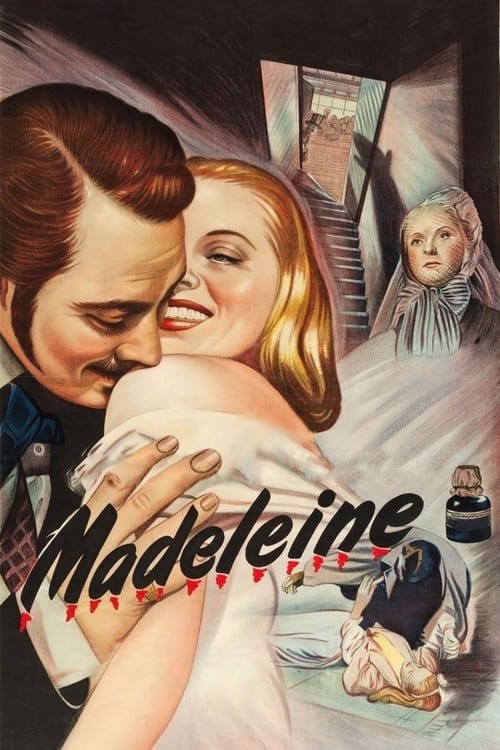
Madeleine
1950 · Directed by David Lean
Woke Score
CriticCritic Score
Ultra Based
Critics rated this 77 points above its woke score. Among Ultra Based films, this critic score ranks #348 of 1469.
Representation Casting
Score: 0/100
The cast is entirely white and British/European. No evidence of intentional representation or diverse casting practices.
LGBTQ+ Themes
Score: 0/100
No LGBTQ+ themes, characters, or subtext present in the film.
Feminist Agenda
Score: 35/100
The film centers on a woman's sexual autonomy and defiance of patriarchal expectations, but presents her agency as morally ambiguous and ultimately tragic rather than liberatory. The critique of Victorian constraint is implicit rather than explicit.
Racial Consciousness
Score: 0/100
Set in 19th-century Glasgow with no engagement with racial themes or consciousness. Race is entirely absent from the narrative.
Climate Crusade
Score: 0/100
No environmental or climate-related themes present in this Victorian period drama.
Eat the Rich
Score: 0/100
While the film depicts class conflict between the middle-class protagonist and working-class characters, there is no anti-capitalist critique or consciousness present.
Body Positivity
Score: 0/100
No body positivity messaging or representation of diverse body types. Standard 1950s film aesthetic with no engagement with this concept.
Neurodivergence
Score: 0/100
No representation of neurodivergent characters or themes related to mental health difference.
Revisionist History
Score: 15/100
The film adapts a true historical case but does so through a 1950s melodramatic lens that obscures rather than reexamines the historical record. The ambiguous ending regarding her guilt represents a narrative choice that departs from historical documentation.
Lecture Energy
Score: 0/100
The film presents its moral dilemmas through dramatic narrative rather than explicit preachy commentary. No lecture energy present.


Synopsis
Madeleine's middle-class family cannot understand why she puts off marrying a respectable young man, as they know nothing about her long-term affair with a Frenchman.
Consciousness Assessment
David Lean's "Madeleine" remains a curious artifact of 1950s British cinema, a period melodrama that dares to question Victorian sexual propriety without quite committing to the radicalism that its subject matter demands. The film centers on a woman who conducts an affair with a Frenchman in defiance of her family's expectations, a transgression that in 1857 Glasgow constituted genuine scandal. What Lean presents is less a celebration of her autonomy and more a morally ambiguous puzzle box, where the woman's agency is filtered through the murky lens of potential murder and the film's own uncertainty about whether to condemn or sympathize with her choices. The narrative framing suggests discomfort with its own heroine rather than genuine solidarity with her rebellion.
The film's treatment of female sexuality and social constraint does contain elements of critique toward Victorian rigidity, yet this critique remains largely implicit and tinged with the period's own anxieties about women stepping outside prescribed roles. Ann Todd's performance captures a woman trapped between desire and duty, but the film never fully interrogates the patriarchal structures that create this trap. Instead, it presents her predicament as a personal moral failing rather than a systemic problem, a classic limitation of pre-1970s cinema that even well-intentioned filmmakers struggled to overcome. The Frenchman himself is portrayed with a mixture of charm and menace that ultimately renders him the more sympathetic figure, a curious narrative choice that undercuts any feminist reading the film might otherwise claim.
This is a film about transgression, yet its transgression is presented through the lens of 1950 propriety, not from any sustained engagement with progressive critique. It remains interesting as a historical document of how mid-century British cinema grappled with questions of female desire, but it grapples awkwardly, never committing fully to either condemnation or vindication of its subject's choices.
Analysis generated by our Consciousness Algorithm
Critic Reviews
“The script and direction are handled with amazing restraint, cleverly and carefully constructed, heightened by Todd's inherently enigmatic image.”
“This compelling character study is one of the three films David Lean made with his then wife Ann Todd.”
“Lean has committed a crime far worse than technical blunders: that of taking a live story and robbing it of all feeling and humanity, so that what is served up on the screen is cold, remote and intolerable.”
Consciousness Markers
The cast is entirely white and British/European. No evidence of intentional representation or diverse casting practices.
No LGBTQ+ themes, characters, or subtext present in the film.
The film centers on a woman's sexual autonomy and defiance of patriarchal expectations, but presents her agency as morally ambiguous and ultimately tragic rather than liberatory. The critique of Victorian constraint is implicit rather than explicit.
Set in 19th-century Glasgow with no engagement with racial themes or consciousness. Race is entirely absent from the narrative.
No environmental or climate-related themes present in this Victorian period drama.
While the film depicts class conflict between the middle-class protagonist and working-class characters, there is no anti-capitalist critique or consciousness present.
No body positivity messaging or representation of diverse body types. Standard 1950s film aesthetic with no engagement with this concept.
No representation of neurodivergent characters or themes related to mental health difference.
The film adapts a true historical case but does so through a 1950s melodramatic lens that obscures rather than reexamines the historical record. The ambiguous ending regarding her guilt represents a narrative choice that departs from historical documentation.
The film presents its moral dilemmas through dramatic narrative rather than explicit preachy commentary. No lecture energy present.