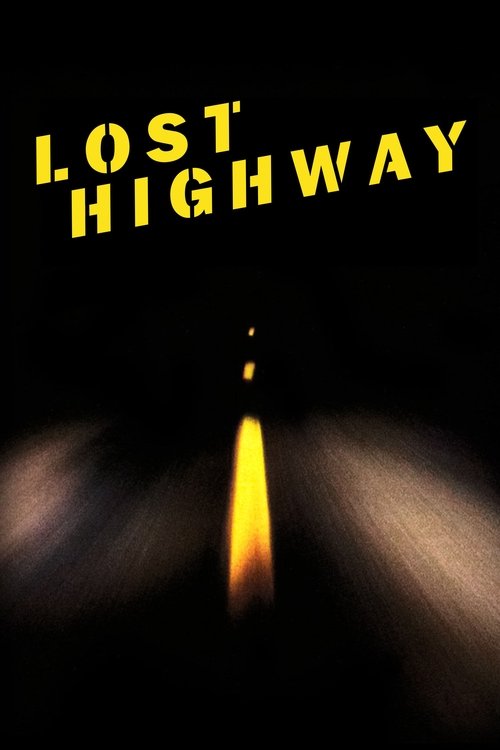
Lost Highway
1997 · Directed by David Lynch
Woke Score
CriticCritic Score
Audience
Ultra Based
Critics rated this 49 points above its woke score. Among Ultra Based films, this critic score ranks #1093 of 1469.
Representation Casting
Score: 0/100
The cast reflects 1990s mainstream cinema without deliberate consideration of diverse representation. Casting decisions appear based on star power and fit rather than any commitment to representational politics.
LGBTQ+ Themes
Score: 0/100
No LGBTQ+ themes, characters, or narratives appear in the film. The story concerns exclusively heterosexual relationships and desires.
Feminist Agenda
Score: 25/100
Patricia Arquette's dual roles explore the male construction of female identity through desire and voyeurism, but the film's commitment to formal abstraction prevents any clear feminist statement. The observation exists in the work but not as deliberate advocacy.
Racial Consciousness
Score: 0/100
The film contains no engagement with racial themes, racial consciousness, or racial dynamics. Race remains entirely absent from the narrative.
Climate Crusade
Score: 0/100
Environmental or climate themes are entirely absent from the film's concerns.
Eat the Rich
Score: 10/100
The film depicts institutional control and surveillance with a vague sense of menace, but offers no coherent critique of capitalism or wealth. The menace is existential rather than political.
Body Positivity
Score: 0/100
The film contains no engagement with body positivity or body diversity. Bodies exist primarily as objects of desire and sites of transformation.
Neurodivergence
Score: 0/100
While the protagonist's psychological state is clearly fractured, the film makes no attempt to represent neurodivergence as a legitimate identity or condition. Mental distress is presented as a symptom of existential horror.
Revisionist History
Score: 0/100
No historical narrative or revisionist engagement with history appears in the film. The story is entirely contemporary and personal.
Lecture Energy
Score: 0/100
The film is deliberately obscure and resistant to interpretation. It contains no preachy moments, explanations, or attempts to educate the viewer about any social issue.


Synopsis
A tormented jazz musician finds himself lost in an enigmatic story involving murder, surveillance, gangsters, doppelgängers, and an impossible transformation inside a prison cell.
Consciousness Assessment
Lost Highway operates in the register of pure psychological mania rather than social commentary. David Lynch's 1997 descent into a fever dream of infidelity, transformation, and institutional dread presents a world so thoroughly alienated and fractured that any coherent political statement becomes impossible to extract. The film does not ignore social reality so much as it dissolves it entirely, replacing recognizable social structures with the logic of the unconscious mind.
The film's one consistent observation concerns the surveillance apparatus and power imbalances within heterosexual relationships, particularly the voyeuristic dynamics at play when jealousy and desire become indistinguishable. Patricia Arquette's dual roles as seductress and victim suggest an interest in how women are constructed through the male gaze, though Lynch's approach is too oblique and too committed to formal abstraction to constitute what we might call advocacy. The film exists in a space before or beyond conventional social consciousness, which is to say it exists in the only space Lynch has ever found habitable.
The production design, casting, and narrative structure all resist contemporary political readings. This is not a film about anything other than the dissolution of the self in the face of impossible desire and institutional control. It refuses the clarity required for either progressive or reactionary interpretation, which is perhaps its most genuinely radical gesture, though one that occurs through indifference rather than intention.
Analysis generated by our Consciousness Algorithm
Critic Reviews
“His most thoroughly surreal work since Eraserhead, this two-hour-plus fever dream is more of one piece than Fire Walk with Me and less desperate and jokey than Wild at Heart.”
“This is delightfully bonkers; an eerie and edgy outpouring that makes Twin Peaks look like Moonlighting.”
“It's a weird movie, in that spooky/sicko, deadpan way that Lynch's movies always are, and it's guaranteed to repel anyone who likes entertainment wrapped in tidy resolutions and optimistic fade- outs. ”
“Lost Highway, David Lynch's first movie in five years, is a virtuoso symphony of bad vibes.”
Consciousness Markers
The cast reflects 1990s mainstream cinema without deliberate consideration of diverse representation. Casting decisions appear based on star power and fit rather than any commitment to representational politics.
No LGBTQ+ themes, characters, or narratives appear in the film. The story concerns exclusively heterosexual relationships and desires.
Patricia Arquette's dual roles explore the male construction of female identity through desire and voyeurism, but the film's commitment to formal abstraction prevents any clear feminist statement. The observation exists in the work but not as deliberate advocacy.
The film contains no engagement with racial themes, racial consciousness, or racial dynamics. Race remains entirely absent from the narrative.
Environmental or climate themes are entirely absent from the film's concerns.
The film depicts institutional control and surveillance with a vague sense of menace, but offers no coherent critique of capitalism or wealth. The menace is existential rather than political.
The film contains no engagement with body positivity or body diversity. Bodies exist primarily as objects of desire and sites of transformation.
While the protagonist's psychological state is clearly fractured, the film makes no attempt to represent neurodivergence as a legitimate identity or condition. Mental distress is presented as a symptom of existential horror.
No historical narrative or revisionist engagement with history appears in the film. The story is entirely contemporary and personal.
The film is deliberately obscure and resistant to interpretation. It contains no preachy moments, explanations, or attempts to educate the viewer about any social issue.