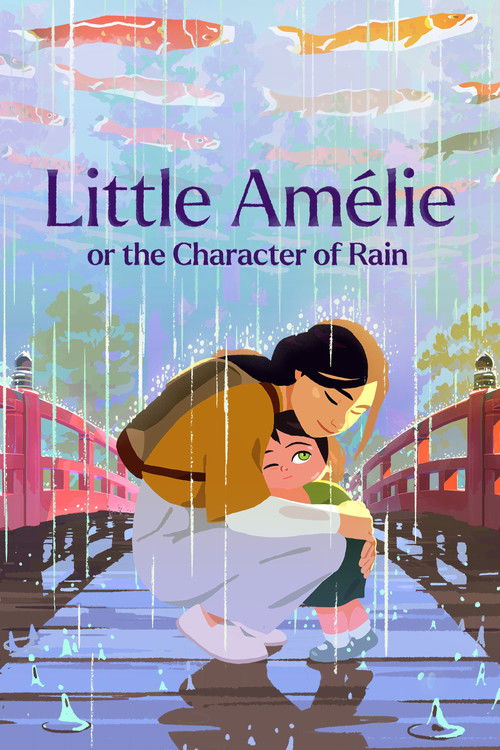
Little Amélie or the Character of Rain
2025 · Directed by Maïlys Vallade
Woke Score
CriticCritic Score
Based
Critics rated this 58 points above its woke score. Among Based films, this critic score ranks #74 of 345.
Representation Casting
Score: 35/100
The film features a Japanese character (Nishio-san) as a central figure and includes Asian cast members in a substantial role, reflecting the post-war Japan setting. However, this appears driven by narrative authenticity rather than contemporary casting principles.
LGBTQ+ Themes
Score: 0/100
No evidence of LGBTQ+ themes, representation, or subtext in the film's plot or character relationships.
Feminist Agenda
Score: 15/100
The protagonist is female and the narrative centers on her perspective and emotional development, but the film does not engage with feminist ideology or contemporary gender politics.
Racial Consciousness
Score: 40/100
The film engages with cross-cultural and bicultural experience through its Belgian protagonist in Japan and her relationship with her Japanese housekeeper, presenting cultural difference as a subject for exploration and wonder.
Climate Crusade
Score: 0/100
No evidence of environmental themes or climate consciousness in the film.
Eat the Rich
Score: 0/100
No critique of capitalism or economic systems present in the narrative.
Body Positivity
Score: 0/100
No engagement with body positivity messaging or commentary on physical appearance and acceptance.
Neurodivergence
Score: 0/100
No representation of or commentary on neurodivergence in the film.
Revisionist History
Score: 5/100
The film is set in post-war Japan but does not appear to engage in revisionist historical narratives; it treats the setting as backdrop rather than subject of ideological reinterpretation.
Lecture Energy
Score: 10/100
While the film explores cultural and emotional themes, it maintains a predominantly poetic and observational approach rather than adopting an instructive or preachy tone toward its audience.


Synopsis
The world is a perplexing, peaceful mystery to Amélie until a miraculous encounter with chocolate ignites her wild sense of curiosity. As she develops a deep attachment to her family's housekeeper, Nishio-san, Amélie discovers the wonders of nature as well as the emotional truths hidden beneath the surface of her family's idyllic life as foreigners in post-war Japan.
Consciousness Assessment
Little Amélie or the Character of Rain presents a gentle portrait of early childhood consciousness set against the landscape of post-war Japan. The film's primary concern is phenomenological rather than ideological, documenting the sensory awakening of a young Belgian girl through her interactions with her family's housekeeper and the natural world around her. While it engages with themes of cultural displacement and cross-cultural encounter, these emerge from the narrative itself rather than from any deliberate apparatus of progressive messaging.
The film's modest engagement with contemporary progressive sensibilities stems largely from its casting and setting. The central relationship between the child Amélie and the Japanese housekeeper Nishio-san provides a framework for exploring cultural difference, though this exploration remains primarily observational and intimate rather than analytical. The production features a mixed European and Asian creative team and cast, reflecting the film's bicultural concerns, yet this integration serves the story's requirements rather than functioning as a statement about representation in cinema.
What distinguishes this work from more overtly conscious contemporary animation is its resistance to preachiness. The film trusts its audience to absorb questions of identity and belonging through implication and visual poetry rather than through explicit instruction. It remains a work of personal introspection masquerading as children's entertainment, which is precisely the sort of thing that often evades the contemporary impulse toward thematic clarity and moral certainty.
Analysis generated by our Consciousness Algorithm
Critic Reviews
“The sublimely beautiful animated film 'Little Amélie or the Character of Rain' awakens its young heroine to the wondrous and perilous world around her through a life-affirming first feature from co-directors Liane-Cho Han and Maïlys Vallade.”
Consciousness Markers
The film features a Japanese character (Nishio-san) as a central figure and includes Asian cast members in a substantial role, reflecting the post-war Japan setting. However, this appears driven by narrative authenticity rather than contemporary casting principles.
No evidence of LGBTQ+ themes, representation, or subtext in the film's plot or character relationships.
The protagonist is female and the narrative centers on her perspective and emotional development, but the film does not engage with feminist ideology or contemporary gender politics.
The film engages with cross-cultural and bicultural experience through its Belgian protagonist in Japan and her relationship with her Japanese housekeeper, presenting cultural difference as a subject for exploration and wonder.
No evidence of environmental themes or climate consciousness in the film.
No critique of capitalism or economic systems present in the narrative.
No engagement with body positivity messaging or commentary on physical appearance and acceptance.
No representation of or commentary on neurodivergence in the film.
The film is set in post-war Japan but does not appear to engage in revisionist historical narratives; it treats the setting as backdrop rather than subject of ideological reinterpretation.
While the film explores cultural and emotional themes, it maintains a predominantly poetic and observational approach rather than adopting an instructive or preachy tone toward its audience.