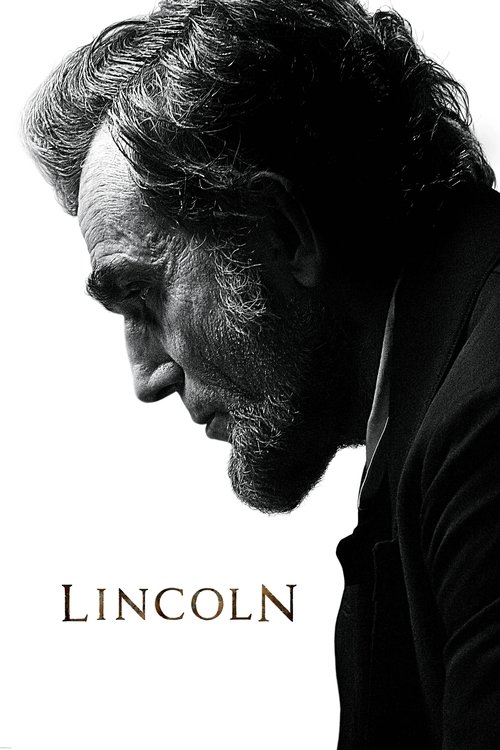
Lincoln
2012 · Directed by Steven Spielberg
Woke Score
CriticCritic Score
Audience
Ultra Based
Critics rated this 79 points above its woke score. Among Ultra Based films, this critic score ranks #193 of 1469.
Representation Casting
Score: 5/100
The cast reflects the historical period with predominantly white actors in positions of power. Sally Field provides some gender representation, but this reflects historical accuracy rather than contemporary casting consciousness.
LGBTQ+ Themes
Score: 0/100
No LGBTQ+ themes, characters, or representation present in the film.
Feminist Agenda
Score: 15/100
Sally Field's Mary Todd Lincoln is given agency and psychological complexity beyond typical historical drama, yet the narrative remains centered on the male protagonist and his concerns.
Racial Consciousness
Score: 20/100
The film addresses slavery and its abolition, but from the perspective of white political actors negotiating emancipation. Black experience and agency are largely peripheral to the central narrative.
Climate Crusade
Score: 0/100
No climate-related themes or environmental consciousness present in the film.
Eat the Rich
Score: 0/100
No anti-capitalist messaging or critique of economic systems present in the film.
Body Positivity
Score: 0/100
No body positivity themes or discussion of body image present in the film.
Neurodivergence
Score: 0/100
No neurodivergence representation or themes present in the film.
Revisionist History
Score: 10/100
While the film takes creative liberties with historical events, it does not engage in modern revisionist frameworks or deconstruct established historical narratives from a contemporary perspective.
Lecture Energy
Score: 15/100
The film contains expository dialogue and some speeches explaining political positions, but lacks the preachy tone characteristic of modern progressive message films.


Synopsis
The revealing story of the 16th US President's tumultuous final months in office. In a nation divided by war and the strong winds of change, Lincoln pursues a course of action designed to end the war, unite the country and abolish slavery. With the moral courage and fierce determination to succeed, his choices during this critical moment will change the fate of generations to come.
Consciousness Assessment
Steven Spielberg's Lincoln is a monument to a particular kind of historical filmmaking, one concerned with the grand machinery of statecraft rather than the revolutionary consciousness of our current moment. The film documents Lincoln's political negotiations to secure passage of the Thirteenth Amendment, treating this achievement as a matter of compromise, backroom dealing, and the reluctant conversion of political opponents. Daniel Day-Lewis delivers a performance of such studied restraint that he seems to be playing a man who has already been carved into marble. The moral stakes of abolishing slavery are present, certainly, but they function as backdrop to the procedural drama of legislative maneuvering.
What becomes apparent over the film's deliberate length is that Spielberg has little interest in what we might now call consciousness-raising. The film does not center the voices or experiences of the enslaved, nor does it grapple with the structures of white supremacy as a living system requiring confrontation. Mary Todd Lincoln, played by Sally Field, receives a more rounded character than historical drama typically affords its presidential spouses, yet this complexity exists in service to a narrative fundamentally about the great man and his moral intuitions. The supporting cast of Republican politicians and Democratic skeptics are rendered with care, but the film remains locked within the perspective of power.
The film's stolid approach to its subject matter reflects a pre-2015 sensibility about how to treat historical injustice: seriously, respectfully, but ultimately as a matter of past-tense resolution rather than present-tense reckoning. For this reason, it scores low on markers of modern progressive cultural consciousness, not because it is morally deficient but because it operates according to an older vocabulary of historical drama. It won Academy Awards for Best Actor and Best Production Design, recognition of craftsmanship rather than cultural intervention.
Analysis generated by our Consciousness Algorithm
Critic Reviews
“The movie is grand and immersive. It plugs us into the final months of Lincoln's presidency with a purity that makes us feel transported as though by time machine.”
“Defiantly intellectual, complex and true to the shifting winds of real-world governance, Lincoln is not the movie that this election season has earned-but one that a more perfect union can aspire to.”
“Rarely has a film attended more carefully to the details of politics.”
“For his complex portrayal, Day-Lewis is likely to have roses thrown at his feet, but for the dreadful film in which he's enslaved, emancipated onlookers will reach for the grapes of wrath.”
Consciousness Markers
The cast reflects the historical period with predominantly white actors in positions of power. Sally Field provides some gender representation, but this reflects historical accuracy rather than contemporary casting consciousness.
No LGBTQ+ themes, characters, or representation present in the film.
Sally Field's Mary Todd Lincoln is given agency and psychological complexity beyond typical historical drama, yet the narrative remains centered on the male protagonist and his concerns.
The film addresses slavery and its abolition, but from the perspective of white political actors negotiating emancipation. Black experience and agency are largely peripheral to the central narrative.
No climate-related themes or environmental consciousness present in the film.
No anti-capitalist messaging or critique of economic systems present in the film.
No body positivity themes or discussion of body image present in the film.
No neurodivergence representation or themes present in the film.
While the film takes creative liberties with historical events, it does not engage in modern revisionist frameworks or deconstruct established historical narratives from a contemporary perspective.
The film contains expository dialogue and some speeches explaining political positions, but lacks the preachy tone characteristic of modern progressive message films.