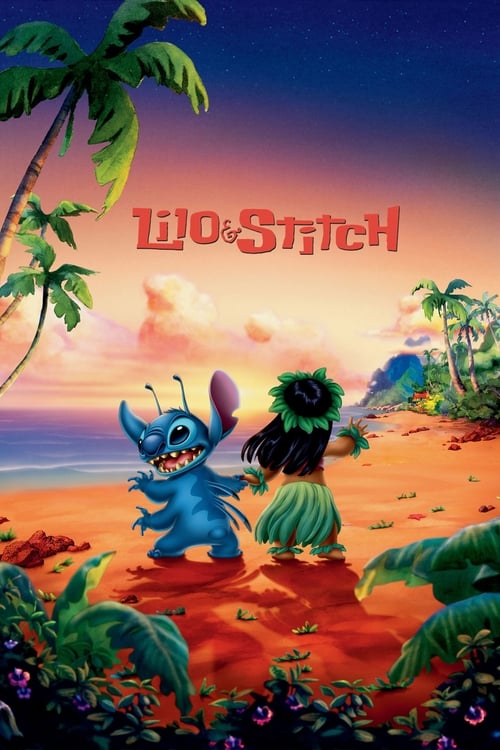
Lilo & Stitch
2002 · Directed by Chris Sanders
Woke Score
CriticCritic Score
Audience
Based
Critics rated this 47 points above its woke score. Among Based films, this critic score ranks #118 of 345.
Representation Casting
Score: 35/100
The cast includes some diversity with Tia Carrere, Ving Rhames, and Kevin Michael Richardson, but this reflects practical casting rather than conscious contemporary demographic positioning. Voice acting roles for characters of color are present but limited in prominence.
LGBTQ+ Themes
Score: 0/100
No LGBTQ+ themes, representation, or subtext are present in the film. The narrative contains no romantic or gender-identity elements that would qualify for scoring.
Feminist Agenda
Score: 25/100
Lilo's independence and Nani's caretaking role reflect practical storytelling rather than deliberate feminist positioning. These character choices predate modern feminist discourse and lack explicit commentary on gender dynamics.
Racial Consciousness
Score: 40/100
Hawaiian culture and setting are central to the narrative and treated with respect, including use of the Hawaiian concept of ʻohana. However, the film lacks modern explicit commentary on indigenous representation or cultural reclamation.
Climate Crusade
Score: 0/100
No climate-related themes or environmental commentary are present in the film. The tropical Hawaiian setting is incidental to the plot rather than thematic.
Eat the Rich
Score: 5/100
While the film depicts economic precarity without shame, it does not offer anti-capitalist critique. Nani's employment struggles are treated as personal rather than systemic issues.
Body Positivity
Score: 10/100
The film contains no explicit body positivity messaging or commentary. Character designs are not presented within this framework, though the film avoids overt body-shaming.
Neurodivergence
Score: 15/100
Stitch could be read as neurodivergent given his impulsive behavior and difficulty with social norms, but the film does not frame him through this lens. His character arc centers on loyalty and belonging rather than neurodivergence representation.
Revisionist History
Score: 0/100
The film contains no revisionist historical narrative or engagement with historical reframing. Its Hawaiian setting is contemporary rather than historical.
Lecture Energy
Score: 15/100
The film prioritizes emotional resonance and entertainment over preachy messaging. Cultural and social themes emerge organically from narrative rather than through explicit exposition or lectures.


Synopsis
As Stitch, a runaway genetic experiment from a faraway planet, wreaks havoc on the Hawaiian Islands, he becomes the mischievous adopted alien "puppy" of an independent little girl named Lilo and learns about loyalty, friendship, and ʻohana, the Hawaiian tradition of family.
Consciousness Assessment
Lilo & Stitch occupies an awkward temporal position in the contemporary cultural conversation. Released in 2002, it predates by more than a decade the crystallization of modern progressive sensibilities, yet it contains elements that would later become markers of cultural awareness. The film centers Hawaiian culture and family structures, though it treats these as narrative backdrop rather than sites of explicit commentary. Nani's role as a caregiver and Lilo's agency as a protagonist reflect storytelling sensibilities that predate modern feminist discourse by years, making it difficult to classify them as deliberate progressive positioning.
The cast includes some voice acting diversity, with Ving Rhames and Kevin Michael Richardson providing performances in secondary roles, but this reflects practical casting choices rather than the conscious demographic calculus that characterizes contemporary casting discussions. The film's treatment of Stitch as an outsider learning to belong operates within a humanist framework of acceptance and found family, but lacks the explicit social consciousness that would emerge in later animated works. The Hawaiian setting and cultural references are present and respectful, but the film does not position itself as commentary on indigenous representation or cultural reclamation.
What prevents a lower score is the film's genuine embrace of nontraditional family structures and its refusal to pathologize its characters' economic precarity or unconventional domestic arrangements. Yet this generosity of spirit operates within a pre-2015 moral universe. Viewed through the contemporary lens of social consciousness, the film reads as earnest rather than calculated, which is perhaps the most honest assessment one can offer.
Analysis generated by our Consciousness Algorithm
Critic Reviews
“A celebration of movie-studio ohana that should warm the hearts of moviegoers everywhere.”
“Here's a tiresome feature that could be made into a wonderful 20-minute film -- or, with a few adjustments, into two or three 10-minute shorts.”
Consciousness Markers
The cast includes some diversity with Tia Carrere, Ving Rhames, and Kevin Michael Richardson, but this reflects practical casting rather than conscious contemporary demographic positioning. Voice acting roles for characters of color are present but limited in prominence.
No LGBTQ+ themes, representation, or subtext are present in the film. The narrative contains no romantic or gender-identity elements that would qualify for scoring.
Lilo's independence and Nani's caretaking role reflect practical storytelling rather than deliberate feminist positioning. These character choices predate modern feminist discourse and lack explicit commentary on gender dynamics.
Hawaiian culture and setting are central to the narrative and treated with respect, including use of the Hawaiian concept of ʻohana. However, the film lacks modern explicit commentary on indigenous representation or cultural reclamation.
No climate-related themes or environmental commentary are present in the film. The tropical Hawaiian setting is incidental to the plot rather than thematic.
While the film depicts economic precarity without shame, it does not offer anti-capitalist critique. Nani's employment struggles are treated as personal rather than systemic issues.
The film contains no explicit body positivity messaging or commentary. Character designs are not presented within this framework, though the film avoids overt body-shaming.
Stitch could be read as neurodivergent given his impulsive behavior and difficulty with social norms, but the film does not frame him through this lens. His character arc centers on loyalty and belonging rather than neurodivergence representation.
The film contains no revisionist historical narrative or engagement with historical reframing. Its Hawaiian setting is contemporary rather than historical.
The film prioritizes emotional resonance and entertainment over preachy messaging. Cultural and social themes emerge organically from narrative rather than through explicit exposition or lectures.