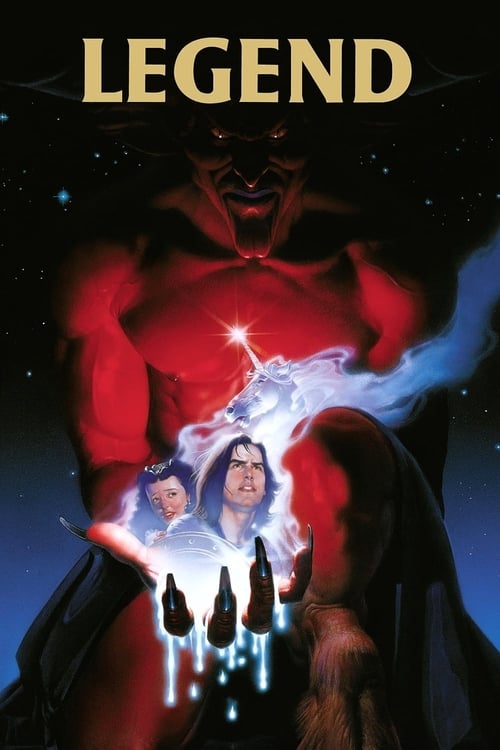
Legend
1985 · Directed by Ridley Scott
Woke Score
CriticCritic Score
Audience
Ultra Based
Critics rated this 53 points above its woke score. Among Ultra Based films, this critic score ranks #1057 of 1469.
Representation Casting
Score: 5/100
The film includes performers with dwarfism in fantasy creature roles, but this reflects 1980s entertainment practices rather than conscious representation efforts. No deliberate diversity in primary cast.
LGBTQ+ Themes
Score: 0/100
No LGBTQ+ themes, characters, or representation present in the narrative.
Feminist Agenda
Score: 3/100
Princess Lili does demonstrate agency in the climactic sequence, but she is primarily a plot object to be rescued. The narrative structure itself is fundamentally traditional.
Racial Consciousness
Score: 0/100
No engagement with racial themes or consciousness. The film exists in a fantasy realm divorced from racial or ethnic considerations.
Climate Crusade
Score: 0/100
While the plot involves preventing an ice age, this is a mythological consequence of magical defeat, not environmental activism or climate commentary.
Eat the Rich
Score: 0/100
No critique of capitalism, wealth, or economic systems. The fantasy realm operates outside economic considerations.
Body Positivity
Score: 0/100
No body positivity messaging. Fantasy creatures are designed for visual spectacle rather than normalization of diverse body types.
Neurodivergence
Score: 0/100
No representation or discussion of neurodivergence in the narrative.
Revisionist History
Score: 0/100
The film is pure fantasy with no historical setting or claims to revise history.
Lecture Energy
Score: 0/100
The film does not deliver moral lectures or attempt to educate the audience on social issues.


Synopsis
Set in a timeless mythical forest inhabited by fairies, goblins, unicorns and mortals, this fantastic story follows a mystical forest dweller, chosen by fate, to undertake a heroic quest. He must save the beautiful Princess Lili and defeat the demonic Lord of Darkness, or the world will be plunged into a never-ending ice age.
Consciousness Assessment
Legend is a film of such earnest commitment to the fairy tale tradition that it exists in a temporal void, untouched by the social consciousness of any particular era. Ridley Scott's 1985 fantasy follows the hero's journey with the solemnity of a stained glass window, concerned only with the battle between light and darkness, virtue and corruption. The narrative offers nothing in the way of modern progressive sensibility, nor does it pretend to. We are offered a princess who requires rescue, a young man chosen by fate to save her, and a Lord of Darkness portrayed with theatrical grandeur by Tim Curry in makeup that would be discussed rather differently today.
The film's casting reflects the entertainment industry of its time without comment or consciousness. The hero is played by Tom Cruise, then at the height of his star power, while the supporting roles include performers with dwarfism cast as magical creatures in a manner that feels more like spectacle than representation. The entire enterprise is a visual fantasy divorced from any contemporary social reality, which is precisely its project. The film exists to transport the viewer to a realm where none of the markers of modern social awareness apply, because the realm itself has no connection to the actual world.
One could note that the princess does eventually wield agency in the climax, though this occurs in service of the larger magical narrative rather than any statement about gender. The film's indifference to modern progressive themes is so complete that scoring it for such markers feels almost absurd, like analyzing a medieval tapestry for its stance on climate policy. Legend simply does not engage with the contemporary cultural moment, and this disengagement is not a statement but an absence.
Analysis generated by our Consciousness Algorithm
Critic Reviews
“In what is surely his finest hour, Tom Hardy plays both brothers. Much more than a gimmick, it’s like watching one side of a mind wrestle with the other – literally, in one explosive, fun-to-unpick fight scene.”
“Helgeland’s savvy new take on this well-known story proves that crime can pay, while Hardy is astonishing and magnetic in two truly towering performances.”
“It’s flawed, yes – Frances is frustratingly underwritten, her psychological fault lines spoken of but never shown – but it’s also swaggeringly cinematic. And it has Tom Hardy vs Tom Hardy.”
“To take such a subject and render it without focus, interest, or joy—to make a long, dull movie from it — qualified as some perverse sort of achievement.”
Consciousness Markers
The film includes performers with dwarfism in fantasy creature roles, but this reflects 1980s entertainment practices rather than conscious representation efforts. No deliberate diversity in primary cast.
No LGBTQ+ themes, characters, or representation present in the narrative.
Princess Lili does demonstrate agency in the climactic sequence, but she is primarily a plot object to be rescued. The narrative structure itself is fundamentally traditional.
No engagement with racial themes or consciousness. The film exists in a fantasy realm divorced from racial or ethnic considerations.
While the plot involves preventing an ice age, this is a mythological consequence of magical defeat, not environmental activism or climate commentary.
No critique of capitalism, wealth, or economic systems. The fantasy realm operates outside economic considerations.
No body positivity messaging. Fantasy creatures are designed for visual spectacle rather than normalization of diverse body types.
No representation or discussion of neurodivergence in the narrative.
The film is pure fantasy with no historical setting or claims to revise history.
The film does not deliver moral lectures or attempt to educate the audience on social issues.