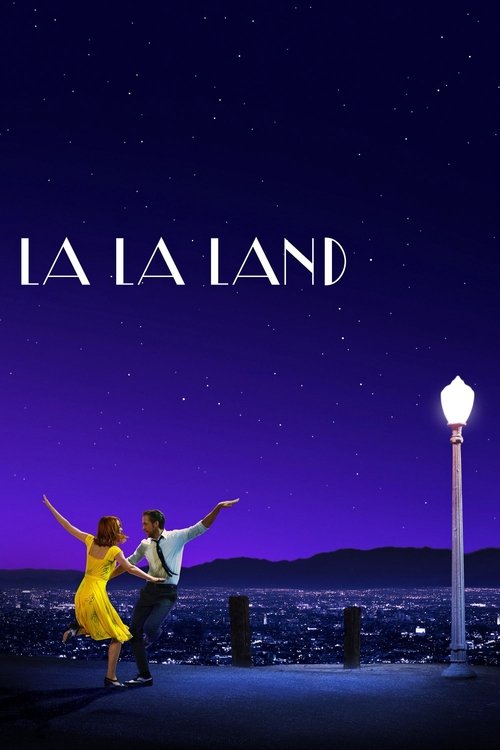
La La Land
2016 · Directed by Damien Chazelle
Woke Score
Critic Score
Audience
Ultra Based
Critics rated this 82 points above its woke score. Among Ultra Based films, this critic score ranks #3 of 833.
Representation Casting
Score: 12/100
The film features predominantly white leads and supporting cast in a diverse city, with only John Legend in a minor role representing meaningful racial diversity. Emma Stone as the lead actress represents female presence but within a conventional romantic narrative.
LGBTQ+ Themes
Score: 0/100
No LGBTQ+ characters or themes appear in the film, despite being set in Los Angeles with a prominent queer community. This absence was specifically criticized by cultural observers.
Feminist Agenda
Score: 15/100
Mia is an active protagonist pursuing her own career ambitions, but the narrative ultimately centers on her romantic relationship and personal sacrifice. The film does not interrogate gender dynamics or systemic barriers to women's advancement.
Racial Consciousness
Score: 0/100
The film shows no awareness of racial issues, history, or representation. Jazz is used as aesthetic material without acknowledging its African American cultural origins or significance.
Climate Crusade
Score: 0/100
No environmental themes, climate awareness, or sustainability concerns appear in the film. The narrative is entirely removed from ecological considerations.
Eat the Rich
Score: 8/100
The film depicts characters struggling financially early in their careers, but success is presented as an individual aspiration to achieve rather than a systemic problem to critique. Wealth is not interrogated or questioned.
Body Positivity
Score: 0/100
The film features conventionally attractive leads and does not engage with body representation issues or challenge beauty standards in any meaningful way.
Neurodivergence
Score: 0/100
No characters with neurodivergence are depicted or referenced. The film contains no representation of autism, ADHD, mental health conditions, or related themes.
Revisionist History
Score: 0/100
The film does not engage in historical revisionism or reinterpretation of historical events. Its relationship to jazz history is one of aesthetic appropriation rather than revision.
Lecture Energy
Score: 5/100
The film maintains a generally light tone and does not lecture audiences extensively, though its romantic resolution carries implicit messages about sacrifice and compromise in relationships.


Synopsis
Mia, an aspiring actress, serves lattes to movie stars in between auditions and Sebastian, a jazz musician, scrapes by playing cocktail party gigs in dingy bars, but as success mounts they are faced with decisions that begin to fray the fragile fabric of their love affair, and the dreams they worked so hard to maintain in each other threaten to rip them apart.
Consciousness Assessment
La La Land arrived as a gleaming monument to the movie musical, a genre that has proven surprisingly resilient in an age of fractured attention spans and streaming platforms. Damien Chazelle's film tells the story of two attractive white people pursuing their dreams in Los Angeles, which is a perfectly serviceable narrative framework. The film's fundamental preoccupation is with individual aspiration, romantic attachment, and the impossibility of having everything one wants. These are not trivial concerns, but they are also not concerns that register on the contemporary scale of cultural consciousness.
The backlash that emerged in the weeks following the film's festival premiere centered on a specific and observable fact: La La Land depicts Los Angeles, one of the most demographically diverse cities in North America, as a location populated almost entirely by white people. John Legend appears in a supporting role, and that constitutes the extent of the film's engagement with racial representation. Critics noted the absence of any LGBTQ+ characters in a story set in a city with a historically significant queer community. The film's treatment of jazz, a genre born from African American innovation and struggle, serves as aesthetic ornamentation for a white romance narrative without any acknowledgment of that context. These are not incidental details but structural choices that speak to what the film considers worthy of its attention.
The broader ideological architecture of La La Land rests on a conception of success as an individual achievement, a matter of talent and persistence rather than systemic advantage or structural inequality. Its characters face obstacles, certainly, but those obstacles are personal and romantic rather than material or social. The film wants us to believe that dreams deferred can be mourned in a tastefully choreographed musical number, after which we return to our regularly scheduled lives. This is not progressive cinema. It is not reactionary either. It is, more precisely, a film that exists in a state of calculated indifference to the world outside its carefully composed frames.
Analysis generated by our Consciousness Algorithm
Critic Reviews
“I was utterly absorbed by this movie's simple storytelling verve and the terrific lead performances from Ryan Gosling and Emma Stone who are both excellent – particularly Stone, who has never been better.”
“La La Land is a film you simply never want to stop watching. It has wisdom and joy and sadness and such magic, from the evocative power of music to the transportative power of movies.”
“For Chazelle to be able to pull this off the way he has is something close to remarkable. The director's feel for a classic but, for all intents and purposes, discarded genre format is instinctive and intense.”
“La La Land wants to remind us how beautiful the half-forgotten dreams of the old days can be – the ones made up of nothing more than faces, music, romance and movement. It has its head in the stars, and for a little over two wonderstruck hours, it lifts you up there too.”
“For all its postmodern smarts, La La Land has a heart as big as its Cinemascope screen. This is primarily down to the two leads, without their performances it would only be an empty, if impressive, exercise in dizzying technical skill and style.”
“La La Land isn't a masterpiece (and on some level it wants to be). Yet it's an exciting ramble of a movie, ardent and full of feeling, passionate but also exquisitely — at times overly — controlled.”
Consciousness Markers
The film features predominantly white leads and supporting cast in a diverse city, with only John Legend in a minor role representing meaningful racial diversity. Emma Stone as the lead actress represents female presence but within a conventional romantic narrative.
No LGBTQ+ characters or themes appear in the film, despite being set in Los Angeles with a prominent queer community. This absence was specifically criticized by cultural observers.
Mia is an active protagonist pursuing her own career ambitions, but the narrative ultimately centers on her romantic relationship and personal sacrifice. The film does not interrogate gender dynamics or systemic barriers to women's advancement.
The film shows no awareness of racial issues, history, or representation. Jazz is used as aesthetic material without acknowledging its African American cultural origins or significance.
No environmental themes, climate awareness, or sustainability concerns appear in the film. The narrative is entirely removed from ecological considerations.
The film depicts characters struggling financially early in their careers, but success is presented as an individual aspiration to achieve rather than a systemic problem to critique. Wealth is not interrogated or questioned.
The film features conventionally attractive leads and does not engage with body representation issues or challenge beauty standards in any meaningful way.
No characters with neurodivergence are depicted or referenced. The film contains no representation of autism, ADHD, mental health conditions, or related themes.
The film does not engage in historical revisionism or reinterpretation of historical events. Its relationship to jazz history is one of aesthetic appropriation rather than revision.
The film maintains a generally light tone and does not lecture audiences extensively, though its romantic resolution carries implicit messages about sacrifice and compromise in relationships.