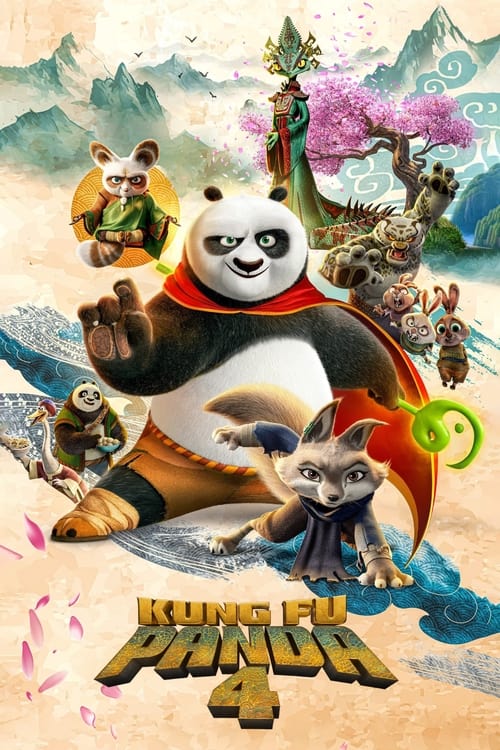
Kung Fu Panda 4
2024 · Directed by Mike Mitchell · $98.7M domestic
Woke Score
CriticCritic Score
Audience
Ultra Based
Critics rated this 46 points above its woke score. Among Ultra Based films, this critic score ranks #1062 of 1469.
Representation Casting
Score: 55/100
Diverse voice cast including Awkwafina, Viola Davis, and Ke Huy Quan alongside established white actors. However, the animated format limits visibility of this representation.
LGBTQ+ Themes
Score: 0/100
No LGBTQ+ themes, characters, or subtext present in this family martial arts film.
Feminist Agenda
Score: 5/100
No feminist agenda or commentary. The plot involves training a successor but makes no statement about gender or power dynamics.
Racial Consciousness
Score: 15/100
The film is set in an Asian-inspired world with martial arts culture, but this is franchise aesthetic rather than conscious progressive commentary on race.
Climate Crusade
Score: 0/100
No environmental themes, climate messaging, or ecological consciousness present.
Eat the Rich
Score: 0/100
No critique of capitalism, wealth disparity, or corporate structures.
Body Positivity
Score: 20/100
Po remains a positively portrayed rotund character, though this predates modern body positivity discourse by over a decade and is not presented as conscious commentary.
Neurodivergence
Score: 0/100
No representation of neurodivergence or disability in any meaningful way.
Revisionist History
Score: 0/100
No historical content present to revise or recontextualize.
Lecture Energy
Score: 5/100
A family entertainment film that avoids sermonizing. No moments where the narrative pauses to educate the audience about social issues.


Synopsis
Po is gearing up to become the spiritual leader of his Valley of Peace, but also needs someone to take his place as Dragon Warrior. As such, he will train a new kung fu practitioner for the spot and will encounter a villain called the Chameleon who conjures villains from the past.
Consciousness Assessment
Kung Fu Panda 4 arrives as a meditation on succession and mentorship, though it resists the urge to make this about anything beyond the franchise's continued commercial viability. The voice cast includes Awkwafina and Viola Davis alongside Jack Black, suggesting a baseline commitment to diverse vocal representation, yet the film's animated nature renders this largely invisible on screen. One watches Po prepare his replacement with all the gravitas of a regional manager training his successor at a corporate retreat, which is to say, very little.
The film makes no observable effort to engage with progressive sensibilities beyond the casting choices that Hollywood now considers table stakes. There is no environmental consciousness, no interrogation of power structures or capitalism. Body positivity exists in the character of Po himself, a rotund panda who has always been treated with affection by the narrative, though this predates modern discourse on the subject by over a decade and should not be credited as contemporary progressive thinking. The action sequences proceed without commentary on gender or power.
What results is competent animated entertainment that reflects current Hollywood hiring practices without reflecting anything about those practices. The film is diverse casting without diversity of purpose. It will be forgotten by summer.
Analysis generated by our Consciousness Algorithm
Critic Reviews
“The fourth time is truly the charm in this long-running franchise.”
“There’s an argument to be made, and I’m willing to make it, that Kung Fu Panda 4 is the best film in this series.”
“The series’ first new installment in eight years is a reliably funny, sweet and wonderfully realized passing of the torch, with a paw in the past and another into the future — an elegant goodbye and a hello. Many other filmmakers — ahem, Marvel and DC — might learn a thing.”
“Instead of finding the perfect balance of humor as the other films did, jokes outweigh and occasionally undercut the few resounding sentiments on personal evolution.”
Consciousness Markers
Diverse voice cast including Awkwafina, Viola Davis, and Ke Huy Quan alongside established white actors. However, the animated format limits visibility of this representation.
No LGBTQ+ themes, characters, or subtext present in this family martial arts film.
No feminist agenda or commentary. The plot involves training a successor but makes no statement about gender or power dynamics.
The film is set in an Asian-inspired world with martial arts culture, but this is franchise aesthetic rather than conscious progressive commentary on race.
No environmental themes, climate messaging, or ecological consciousness present.
No critique of capitalism, wealth disparity, or corporate structures.
Po remains a positively portrayed rotund character, though this predates modern body positivity discourse by over a decade and is not presented as conscious commentary.
No representation of neurodivergence or disability in any meaningful way.
No historical content present to revise or recontextualize.
A family entertainment film that avoids sermonizing. No moments where the narrative pauses to educate the audience about social issues.