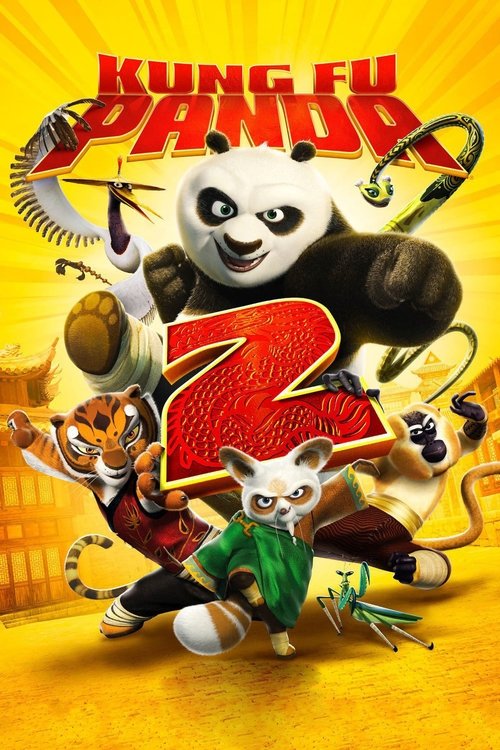
Kung Fu Panda 2
2011 · Directed by Jennifer Yuh Nelson
Woke Score
CriticCritic Score
Audience
Ultra Based
Critics rated this 59 points above its woke score. Among Ultra Based films, this critic score ranks #708 of 1469.
Representation Casting
Score: 25/100
The film features a female director and diverse voice cast including Asian-American performers and female characters, but these reflect conventional casting rather than deliberate progressive representation.
LGBTQ+ Themes
Score: 0/100
No LGBTQ+ themes, characters, or subtext appear in the film.
Feminist Agenda
Score: 15/100
Female characters exist as competent fighters without the film addressing gender dynamics or celebrating feminist themes.
Racial Consciousness
Score: 10/100
The film features Asian-American voice actors in a fantasy Asian setting, but does not engage in conscious examination of racial or cultural themes.
Climate Crusade
Score: 0/100
No climate-related messaging or environmental themes appear in the film.
Eat the Rich
Score: 0/100
The film contains no anti-capitalist critique or commentary on wealth inequality.
Body Positivity
Score: 5/100
Animal characters of varying body types appear without commentary, but the film makes no deliberate statement about body diversity.
Neurodivergence
Score: 0/100
No neurodivergence representation or discussion appears in the film.
Revisionist History
Score: 0/100
The film is a fantasy adventure with no historical setting or revisionist historical claims.
Lecture Energy
Score: 2/100
The film prioritizes entertainment and spectacle, with no preachy messaging or lectures on social issues.


Synopsis
Po is finally living the dream as the Dragon Warrior—until a dark presence from his past comes roaring back. When the ruthless peacock lord Shen unleashes a terrifying new weapon to wipe out kung fu itself, Po and the Furious Five race across China to put an end to his plans. But if Po is to have any hope of stopping him, he must first confront the truth of his origins—and find inner peace before his past tears him apart.
Consciousness Assessment
Kung Fu Panda 2 is an apolitical action-adventure sequel from 2011, a period when the markers we use to measure contemporary social consciousness had not yet calcified into cultural orthodoxy. The film features a female director and includes women and Asian performers in its voice cast, but these facts reflect casting decisions made within a conventional studio framework rather than any deliberate commitment to representation as a statement. The Furious Five includes two female characters, Viper and Tigress, who function as competent martial artists within the narrative without the film pausing to examine or celebrate gender dynamics.
The story concerns itself entirely with Po's personal journey, martial arts action, and comedy. There is no climate messaging, no anti-capitalist subtext, no discussion of body diversity, no LGBTQ+ themes, and no revisionist historical claims. The diverse cast exists naturally within the film's fantasy martial arts setting rather than as a visible commitment to progressive casting principles. The film contains no lecture energy whatsoever, being primarily interested in entertaining children through spectacle and humor.
What emerges is a film that happens to have diversity in its cast and creative leadership without organizing itself around the communication of social values. This is not a failure of the film, merely a reflection of its era and purposes. It is a well-crafted piece of family entertainment, innocent of the ideological frameworks that would later come to dominate animated studio films.
Analysis generated by our Consciousness Algorithm
Critic Reviews
“Part two is even more gorgeous to behold, and deeper in substance.”
“It all moves along briskly, with a degree of visual grace and a solid feel for 3D.”
“Once again, the DreamWorks team demonstrates that humor is the primary weapon in its arsenal.”
“A ghastly sequel to a charming animated film. ”
Consciousness Markers
The film features a female director and diverse voice cast including Asian-American performers and female characters, but these reflect conventional casting rather than deliberate progressive representation.
No LGBTQ+ themes, characters, or subtext appear in the film.
Female characters exist as competent fighters without the film addressing gender dynamics or celebrating feminist themes.
The film features Asian-American voice actors in a fantasy Asian setting, but does not engage in conscious examination of racial or cultural themes.
No climate-related messaging or environmental themes appear in the film.
The film contains no anti-capitalist critique or commentary on wealth inequality.
Animal characters of varying body types appear without commentary, but the film makes no deliberate statement about body diversity.
No neurodivergence representation or discussion appears in the film.
The film is a fantasy adventure with no historical setting or revisionist historical claims.
The film prioritizes entertainment and spectacle, with no preachy messaging or lectures on social issues.