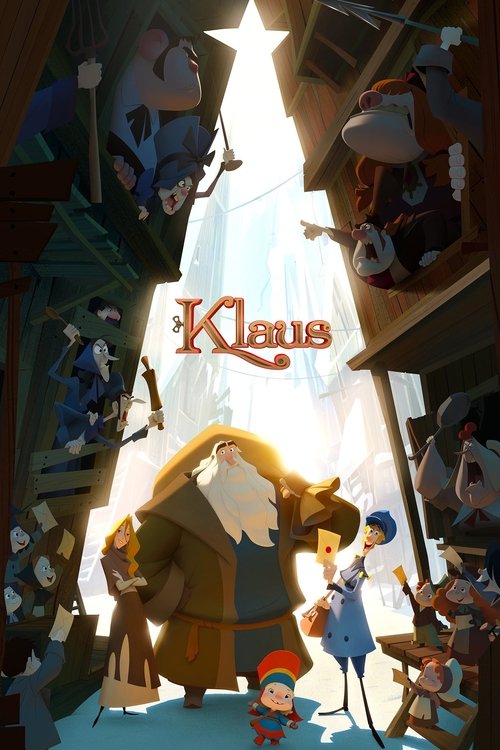
Klaus
2019 · Directed by Sergio Pablos
Woke Score
CriticCritic Score
Audience
Ultra Based
Critics rated this 57 points above its woke score. Among Ultra Based films, this critic score ranks #761 of 1469.
Representation Casting
Score: 15/100
Minor characters include actors of color (Rashida Jones), but they occupy secondary roles in a narrative centered on white male leads. Representation is present but not emphasized.
LGBTQ+ Themes
Score: 0/100
No LGBTQ+ themes, characters, or relationships are present in the film.
Feminist Agenda
Score: 5/100
Female characters exist in the narrative but occupy secondary positions. The film's central relationship and moral arc involve two men. No feminist themes or critiques emerge.
Racial Consciousness
Score: 0/100
The film is set in a fictional, ethnically ambiguous European setting and contains no engagement with racial themes or consciousness.
Climate Crusade
Score: 0/100
No environmental or climate-related themes are present in the film.
Eat the Rich
Score: 8/100
The film critiques greed and selfishness in the postman's initial character, but resolves through individual generosity and gift-giving rather than systemic critique. The wealthy toymaker is a positive force.
Body Positivity
Score: 0/100
The film contains no exploration of body image, body diversity, or body positivity themes.
Neurodivergence
Score: 0/100
No representation or thematic engagement with neurodivergent characters or experiences.
Revisionist History
Score: 0/100
The film is set in a fictional world rather than a historical setting, so revisionist history does not apply.
Lecture Energy
Score: 15/100
The film contains moralizing about kindness, generosity, and human connection, though these themes are woven into the narrative rather than delivered as explicit lectures or sermons.


Synopsis
A selfish postman and a reclusive toymaker form an unlikely friendship, delivering joy to a cold, dark town that desperately needs it.
Consciousness Assessment
Klaus is a handsome animated confection about the redemption of a cynical postman through acts of gift-giving and kindness in a fictional European village. The film's moral framework centers on generosity, human connection, and the transformative power of caring for others. These are admirable sentiments, though they operate within a fairly conventional narrative structure and do not interrogate larger systems of power or inequality.
The film's approach to representation is incidental rather than intentional. A few characters are portrayed by actors of color, but their roles are peripheral to the central male-male friendship that drives the plot. The postman's journey from selfishness to generosity is presented as a personal moral awakening, not as a response to systemic injustice or structural critique. The world Klaus depicts is one where kindness solves problems, where a rich man's generosity can save a town, and where the solution to human suffering is essentially individualistic rather than collective or political.
There is a modest amount of moralizing present, though it remains relatively light and embedded within the narrative rather than delivered as sermonizing. The film's overall sensibility is one of earnest wholesomeness and emotional sincerity, qualities that place it decidedly outside the contemporary progressive cultural conversation.
Analysis generated by our Consciousness Algorithm
Critic Reviews
“Sergio Pablos' Klaus is a beautifully animated mix of old and new - offing up a unique and quirky take on Santa's humble beginnings. It's a fun, fresh story about friendship and the power of kindness that coats snowbound cliches with a shiny sheen.”
“Sergio Pablos’s film is essentially a metaphor for its own unique and refreshing mode of expression.”
“The goofy and charming Klaus probably plays better if you don't know going in that it's a Santa Claus origin story. ”
“What goodwill the movie does inspire owes more to the splendid visual world than to anything the story supplies.”
Consciousness Markers
Minor characters include actors of color (Rashida Jones), but they occupy secondary roles in a narrative centered on white male leads. Representation is present but not emphasized.
No LGBTQ+ themes, characters, or relationships are present in the film.
Female characters exist in the narrative but occupy secondary positions. The film's central relationship and moral arc involve two men. No feminist themes or critiques emerge.
The film is set in a fictional, ethnically ambiguous European setting and contains no engagement with racial themes or consciousness.
No environmental or climate-related themes are present in the film.
The film critiques greed and selfishness in the postman's initial character, but resolves through individual generosity and gift-giving rather than systemic critique. The wealthy toymaker is a positive force.
The film contains no exploration of body image, body diversity, or body positivity themes.
No representation or thematic engagement with neurodivergent characters or experiences.
The film is set in a fictional world rather than a historical setting, so revisionist history does not apply.
The film contains moralizing about kindness, generosity, and human connection, though these themes are woven into the narrative rather than delivered as explicit lectures or sermons.