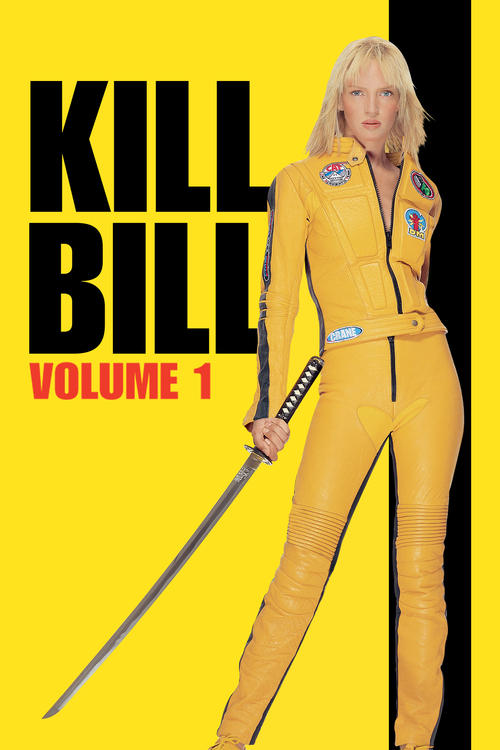
Kill Bill: Vol. 1
2003 · Directed by Quentin Tarantino
Woke Score
CriticCritic Score
Audience
Ultra Based
Critics rated this 54 points above its woke score. Among Ultra Based films, this critic score ranks #648 of 1469.
Representation Casting
Score: 35/100
Features women and Asian actors in significant roles, but these are plot-driven rather than consciousness-driven choices. The presence of diverse talent reflects genre conventions rather than intentional representation politics.
LGBTQ+ Themes
Score: 0/100
Contains no LGBTQ+ themes, characters, or representation of any kind. This is entirely absent from the film's narrative and thematic concerns.
Feminist Agenda
Score: 25/100
Features a female protagonist with agency and power, but operates within classical action cinema rather than modern feminist consciousness. Female empowerment through violence is a traditional genre convention, not a contemporary statement about systemic gender oppression.
Racial Consciousness
Score: 15/100
Asian actors appear prominently, but primarily as homage to kung fu cinema tradition. No interrogation of race, racism, or systemic racial dynamics occurs. The casting reflects genre pastiche rather than racial awareness.
Climate Crusade
Score: 0/100
Climate change, environmental consciousness, or ecological themes are entirely absent from this revenge narrative. The film shows no interest in environmental concerns whatsoever.
Eat the Rich
Score: 0/100
No critique of capitalism, wealth inequality, or class systems appears in the film. The narrative concerns personal vengeance, not systemic economic oppression.
Body Positivity
Score: 0/100
The film makes no statements about body diversity, acceptance, or positive representation of non-idealized bodies. All characters fit conventional action cinema aesthetics.
Neurodivergence
Score: 0/100
No representation of neurodivergence, mental health conditions, or disability beyond the protagonist's recovery from a coma, which functions as plot device rather than representation.
Revisionist History
Score: 0/100
The film contains no historical narrative or revisionist approach to history. It is a purely fictional revenge story with no historical claims or reinterpretations.
Lecture Energy
Score: 5/100
The film is primarily stylistic and narrative-driven with minimal preachy messaging. Tarantino's aesthetic is self-consciously artificial rather than pedagogical or preachy.


Synopsis
An assassin is shot by her ruthless employer, Bill, and other members of their assassination circle – but she lives to plot her vengeance.
Consciousness Assessment
Kill Bill: Vol. 1 occupies an uncomfortable position in contemporary critical discourse. Upon its 2003 release, the film was celebrated as a landmark feminist action film that granted a female protagonist the agentive, powerful role traditionally reserved for men in the genre. We must be careful here, however, to distinguish between pre-2015 progressivism and the specific constellation of sensibilities we are measuring. The film's feminism is classical in character: a woman seeks vengeance through violence and agency, operating within traditional action cinema conventions rather than interrogating systemic oppression or centering identity politics as interpretive frameworks.
The presence of women and Asian actors in significant roles reflects Tarantino's commitment to genre pastiche and homage rather than any articulated position on representation. Lucy Liu, Vivica A. Fox, and Chiaki Kuriyama are present because the narrative demands assassins, not because the film is making a statement about demographic balance or intentional casting as social consciousness. The film predates by more than a decade the specific markers of modern progressive sensibility that have become cultural currency. There is no LGBTQ+ content, no climate consciousness, no anti-capitalist messaging, no body positivity agenda, no interrogation of neurodivergence, no revisionist history, and no lecture energy. Tarantino's project is purely aesthetic and narrative.
This is a technically accomplished work of stylistic cinema made before the frameworks we are applying became the dominant language of cultural criticism. It is ahead of its time in centering a female action hero, but this distinction matters greatly when measuring against contemporary social consciousness. The film is not engaged with modern progressive sensibilities. It is a revenge narrative dressed in the borrowed clothes of kung fu cinema and exploitation film, indifferent to the specific cultural markers that would later become central to discussions of representation and consciousness. That it was once read as feminist is less a statement about the film's politics than a reflection of how thoroughly those politics have evolved.
Analysis generated by our Consciousness Algorithm
Critic Reviews
“Kill Bill: Volume 1 shows Quentin Tarantino so effortlessly and brilliantly in command of his technique that he reminds me of a virtuoso violinist racing through "Flight of the Bumble Bee" -- or maybe an accordion prodigy setting a speed record for "Lady of Spain." ”
“The worst thing about the first Quentin Tarantino picture in five years is that after 93 minutes of some of the most luscious violence and spellbinding storytelling you're likely to see this year, Kill Bill ends. ”
“Delivered with such high panache and brio, it's mesmerizing. ”
“It boggles the mind that after six years of silence, all Tarantino has to offer is this garbage. ”
Consciousness Markers
Features women and Asian actors in significant roles, but these are plot-driven rather than consciousness-driven choices. The presence of diverse talent reflects genre conventions rather than intentional representation politics.
Contains no LGBTQ+ themes, characters, or representation of any kind. This is entirely absent from the film's narrative and thematic concerns.
Features a female protagonist with agency and power, but operates within classical action cinema rather than modern feminist consciousness. Female empowerment through violence is a traditional genre convention, not a contemporary statement about systemic gender oppression.
Asian actors appear prominently, but primarily as homage to kung fu cinema tradition. No interrogation of race, racism, or systemic racial dynamics occurs. The casting reflects genre pastiche rather than racial awareness.
Climate change, environmental consciousness, or ecological themes are entirely absent from this revenge narrative. The film shows no interest in environmental concerns whatsoever.
No critique of capitalism, wealth inequality, or class systems appears in the film. The narrative concerns personal vengeance, not systemic economic oppression.
The film makes no statements about body diversity, acceptance, or positive representation of non-idealized bodies. All characters fit conventional action cinema aesthetics.
No representation of neurodivergence, mental health conditions, or disability beyond the protagonist's recovery from a coma, which functions as plot device rather than representation.
The film contains no historical narrative or revisionist approach to history. It is a purely fictional revenge story with no historical claims or reinterpretations.
The film is primarily stylistic and narrative-driven with minimal preachy messaging. Tarantino's aesthetic is self-consciously artificial rather than pedagogical or preachy.