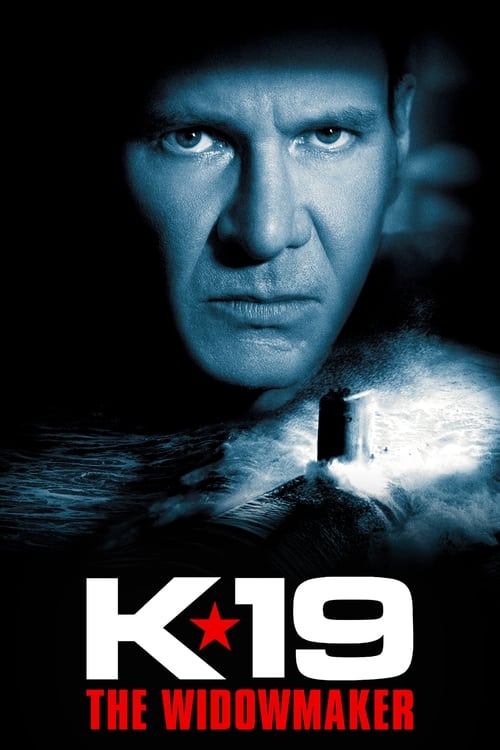
K-19: The Widowmaker
2002 · Directed by Kathryn Bigelow
Woke Score
CriticCritic Score
Audience
Ultra Based
Critics rated this 56 points above its woke score. Among Ultra Based films, this critic score ranks #968 of 1469.
Representation Casting
Score: 0/100
The cast is exclusively male, reflecting the historical reality of a Soviet submarine crew with no apparent attempt at diverse representation.
LGBTQ+ Themes
Score: 0/100
No LGBTQ+ themes or characters are present in the film.
Feminist Agenda
Score: 0/100
No feminist agenda is evident. Female characters are absent; the film is entirely focused on male military personnel.
Racial Consciousness
Score: 0/100
No racial consciousness or commentary is present. The film does not address race or ethnicity as a thematic concern.
Climate Crusade
Score: 0/100
Climate themes are not present. While the film involves nuclear disaster, this is treated as a technical crisis rather than environmental commentary.
Eat the Rich
Score: 2/100
The film's Soviet setting and portrayal of worker sacrifice in a state military structure could be read as implicit critique of individual profit motive, though this is incidental rather than intentional.
Body Positivity
Score: 0/100
No body positivity themes are present. The film does not address body image or physical diversity.
Neurodivergence
Score: 0/100
No neurodivergence representation or themes are present in the film.
Revisionist History
Score: 0/100
The film attempts historical accuracy based on the actual K-19 submarine incident and does not revise history to accommodate modern sensibilities.
Lecture Energy
Score: 0/100
The film does not lecture the audience about social issues or progressive values. It focuses on plot and character conflict.


Synopsis
When Russia's first nuclear submarine malfunctions on its maiden voyage, the crew must race to save the ship and prevent a nuclear disaster.
Consciousness Assessment
K-19: The Widowmaker presents itself as a straightforward historical recounting of a Soviet submarine crisis, directed with technical competence by Kathryn Bigelow. The film concerns itself almost exclusively with the mechanics of survival and the clash of command philosophies between two captains navigating nuclear catastrophe. To look for contemporary cultural consciousness in this 2002 production is to misunderstand its fundamental project entirely, which is the documentation of masculine duty under extreme duress.
The cast consists almost entirely of male performers portraying the actual Soviet submariners who lived through this event. There are no meaningful female characters, no exploration of identity beyond military rank, and no suggestion that the filmmakers had any interest in interrogating the social dimensions of their material. The film is, in this sense, a period piece that respects the period by not imposing modern sensibilities upon it. The few moments that might register as conscious choices (the selection of a female director, the emphasis on worker sacrifice in a Soviet context) feel incidental rather than deliberate.
This is a film that understands itself as a technical and emotional thriller, not as a statement about society. Its complete absence of contemporary progressive markers reflects not a failure to engage with modern cultural concerns but rather a film genuinely unconcerned with them. In the landscape of 2002 cinema, this was unremarkable. It remains unremarkable today, though for different reasons.
Analysis generated by our Consciousness Algorithm
Critic Reviews
“(Director Bigelow) piles up one nerve-racking crisis after another, interspersed with moments of ethereal, almost otherworldly beauty.”
“May be a bit too grim and claustrophobic to become a certifiable summer blockbuster, but it's a pulse-pounding thriller that brings one of the Cold War's darkest and deadliest episodes to the big screen.”
“Rarely has a major motion picture -- and this one is major by virtue of its misplaced ambition as well as its budget -- been afflicted by such flagrant dissonance between subject and style.”
Consciousness Markers
The cast is exclusively male, reflecting the historical reality of a Soviet submarine crew with no apparent attempt at diverse representation.
No LGBTQ+ themes or characters are present in the film.
No feminist agenda is evident. Female characters are absent; the film is entirely focused on male military personnel.
No racial consciousness or commentary is present. The film does not address race or ethnicity as a thematic concern.
Climate themes are not present. While the film involves nuclear disaster, this is treated as a technical crisis rather than environmental commentary.
The film's Soviet setting and portrayal of worker sacrifice in a state military structure could be read as implicit critique of individual profit motive, though this is incidental rather than intentional.
No body positivity themes are present. The film does not address body image or physical diversity.
No neurodivergence representation or themes are present in the film.
The film attempts historical accuracy based on the actual K-19 submarine incident and does not revise history to accommodate modern sensibilities.
The film does not lecture the audience about social issues or progressive values. It focuses on plot and character conflict.