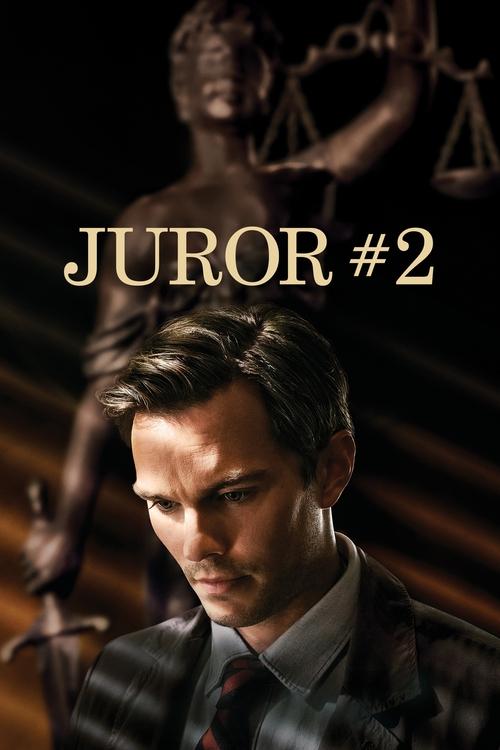
Juror #2
2024 · Directed by Clint Eastwood
Woke Score
CriticCritic Score
Audience
Ultra Based
Critics rated this 72 points above its woke score. Among Ultra Based films, this critic score ranks #551 of 1469.
Representation Casting
Score: 0/100
The cast is predominantly white and male-centered, reflecting traditional legal drama structure with no apparent attention to representation initiatives or diverse casting choices.
LGBTQ+ Themes
Score: 0/100
No evidence of LGBTQ+ themes, representation, or storylines in the film.
Feminist Agenda
Score: 0/100
No feminist themes or gender consciousness present. Female characters exist in peripheral roles without thematic engagement with gender issues.
Racial Consciousness
Score: 0/100
The film contains no evidence of racial consciousness, racial justice themes, or commentary on systemic racial inequities.
Climate Crusade
Score: 0/100
No climate messaging or environmental themes are present in this legal thriller.
Eat the Rich
Score: 0/100
The film contains no anti-capitalist messaging or critique of economic systems.
Body Positivity
Score: 0/100
No body positivity themes, discussions of body image, or related messaging is evident.
Neurodivergence
Score: 0/100
No representation of neurodivergence or exploration of neurodivergent characters and experiences.
Revisionist History
Score: 0/100
The film is a contemporary legal drama with no historical narrative or revisionist historical commentary.
Lecture Energy
Score: 0/100
The film presents its moral dilemmas through narrative drama rather than preachy exposition or lectures about proper social attitudes.


Synopsis
While serving as a juror in a high profile murder trial, family man Justin Kemp finds himself struggling with a serious moral dilemma…one he could use to sway the jury verdict and potentially convict—or free—the accused killer.
Consciousness Assessment
Clint Eastwood's final film is a meditation on individual conscience pitted against institutional obligation, told with the austere efficiency one expects from a director in his tenth decade. The narrative concerns a family man confronting the gap between truth and justice, between personal moral knowledge and civic duty. It is fundamentally a conservative work, not in the partisan sense, but in its reverence for established systems and its skepticism of individual exception-making. The cast is almost entirely white and male-dominated, the story centers on a protagonist's private anguish rather than systemic critique, and the film's moral universe operates on principles of personal guilt and redemption rather than social consciousness. There is nothing here that engages with contemporary progressive sensibilities, nor does the film position itself as a critique of its own blindspots. Eastwood remains committed to the interior life, to the weight of conscience, to the messy compromises that characterize lived experience. The film does not apologize for this focus, and neither should we expect it to. What emerges from the work is a portrait of a man navigating competing loyalties, rendered with the kind of patient craftsmanship that has become rare in contemporary cinema. The modesty of the project, both in its commercial reception and in its cultural ambitions, suggests a filmmaker uninterested in speaking to the moment in which his film was released.
Analysis generated by our Consciousness Algorithm
Critic Reviews
“A great script and a great cast are key to Juror #2, a gripping moral study dressed up as a courtroom drama.”
“A throwback character study that invokes the kind of mid-budget hits that kept the lights on at Warner Bros. for 50 years, Juror #2 both enriches our understanding of the Hollywood icon who made it and stands on its own as one of the best studio films released in 2024.”
“Juror #2 stands out as the best late-career Eastwood film, from an era with its fair share of gems. ”
“While it’s nice to see Toni Colette and Chris Messina face off both in and out of the courtroom and Zoey Deutch gives a strong dramatic performance as Ally, even the best acting can’t make Juror #2 make sense.”
Consciousness Markers
The cast is predominantly white and male-centered, reflecting traditional legal drama structure with no apparent attention to representation initiatives or diverse casting choices.
No evidence of LGBTQ+ themes, representation, or storylines in the film.
No feminist themes or gender consciousness present. Female characters exist in peripheral roles without thematic engagement with gender issues.
The film contains no evidence of racial consciousness, racial justice themes, or commentary on systemic racial inequities.
No climate messaging or environmental themes are present in this legal thriller.
The film contains no anti-capitalist messaging or critique of economic systems.
No body positivity themes, discussions of body image, or related messaging is evident.
No representation of neurodivergence or exploration of neurodivergent characters and experiences.
The film is a contemporary legal drama with no historical narrative or revisionist historical commentary.
The film presents its moral dilemmas through narrative drama rather than preachy exposition or lectures about proper social attitudes.