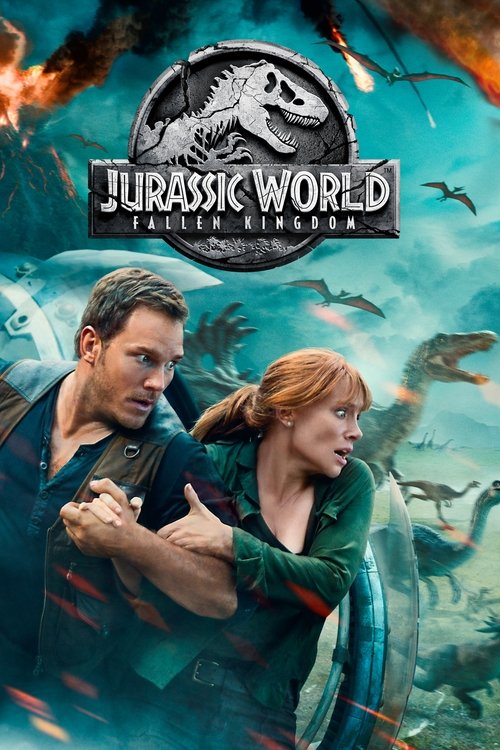
Jurassic World: Fallen Kingdom
2018 · Directed by J. A. Bayona
Woke Score
CriticCritic Score
Audience
Based
Critics rated this 29 points above its woke score. Among Based films, this critic score ranks #290 of 345.
Representation Casting
Score: 45/100
The cast includes actors of color in supporting roles (Justice Smith, Daniella Pineda), and Bryce Dallas Howard carries the film as a lead character. However, these casting choices reflect industry baseline rather than deliberate progressive intent.
LGBTQ+ Themes
Score: 0/100
No LGBTQ+ themes, representation, or subtext are present in the film. The romantic tension remains strictly heterosexual and conventional.
Feminist Agenda
Score: 35/100
Claire functions as an active protagonist with agency and decision-making power. Her character arc involves leadership and moral conviction. However, the film treats this as adventure-thriller convention rather than feminist statement.
Racial Consciousness
Score: 10/100
While actors of color are present in the cast, the film contains no meaningful exploration of racial themes, dynamics, or consciousness. Characters exist without reference to their racial identity.
Climate Crusade
Score: 25/100
The volcanic destruction of the island could theoretically engage climate anxiety, but the film treats environmental catastrophe as plot device rather than thematic concern or commentary.
Eat the Rich
Score: 15/100
The film critiques corporate control of dinosaurs through InGen and private bidders, yet this critique remains surface-level. The narrative ultimately endorses rescue and preservation within existing power structures.
Body Positivity
Score: 0/100
No engagement with body positivity, body diversity, or related themes. The film contains conventional action-movie aesthetics and no commentary on physical representation.
Neurodivergence
Score: 0/100
No representation of neurodivergent characters or themes. The film contains no engagement with neurodiversity in any form.
Revisionist History
Score: 0/100
As a science fiction action film, historical revisionism is not applicable. The film operates in a fictional present with genetically engineered creatures.
Lecture Energy
Score: 20/100
Jeff Goldblum's character delivers occasional exposition about genetic engineering and extinction, yet these moments remain sparse and integrated into action sequences rather than becoming preachy set pieces.


Synopsis
Three years after Jurassic World was destroyed, Isla Nublar now sits abandoned. When the island's dormant volcano begins roaring to life, Owen and Claire mount a campaign to rescue the remaining dinosaurs from this extinction-level event.
Consciousness Assessment
Jurassic World: Fallen Kingdom is a film that understands dinosaurs better than it understands social consciousness. Director J. A. Bayona has crafted a competent blockbuster sequel that prioritizes spectacle and franchise momentum over any meaningful engagement with the cultural preoccupations of the 2020s. The narrative concerns itself primarily with the rescue of genetically engineered creatures from volcanic destruction, a conceit that operates entirely in the register of adventure cinema rather than social commentary. One observes the familiar machinery of a tentpole production: expensive action sequences, international locations, and the reliable presence of Chris Pratt, all functioning in service of generating box office revenue.
The film's modest score reflects its limited but present engagement with contemporary sensibilities. The cast includes several actors of color in substantive roles, and Bryce Dallas Howard's Claire represents a female character with agency, though neither element emerges from deliberate progressive intent so much as the baseline expectations of a major studio release in 2018. The environmental destruction depicted in the film's premise could theoretically activate climate consciousness, yet the story treats the volcanic threat as mere plot device rather than allegory or genuine thematic concern. The dinosaurs themselves, despite one academic reading of them as antispeciesist commentary, function here as property to be rescued by humans, not as subjects deserving genuine moral consideration.
What we have is a dinosaur action film that happens to exist in an era when certain types of casting and female protagonist visibility have become standard practice. This is not the same as intentional cultural positioning. The film's engagement with these markers remains incidental rather than central, the product of industrial evolution rather than artistic conviction. It is a film that will be forgotten as thoroughly as its volcano, which is precisely the fate such entertaining, unremarkable spectacles deserve.
Analysis generated by our Consciousness Algorithm
Critic Reviews
“Another “Jurassic” flick wasn’t necessary, but it’s a fantastic ride all the same.”
“It’s a brave choice to literally blow up everything that’s come before but one that definitely pays off in Fallen Kingdom. While Jurassic World gave us a lovely self-contained story, Fallen Kingdom leaves us wondering just where the series will go for its third act - as long as Stiggy plays an extensive pivotal role, I’ll be absolutely fine with it.”
“Howard, thankfully, gets more to do than the last go round (and in combat boots, no less!), Pratt busts out his Indiana Jones cocktail of can-do heroism and deadpan jokiness, and Bayona and his screenwriters (Trevorrow and Derek Connolly) test the laws of incredulity with varying degrees of success. At least, until the final half hour when forehead-slapping absurdity finally win out. Up until then, Fallen Kingdom is exactly the kind of escapist summer behemoth you want it to be.”
“While it has its moments of passable action -- ends up feeling every bit as toothless as its dinosaurs are toothy.”
Consciousness Markers
The cast includes actors of color in supporting roles (Justice Smith, Daniella Pineda), and Bryce Dallas Howard carries the film as a lead character. However, these casting choices reflect industry baseline rather than deliberate progressive intent.
No LGBTQ+ themes, representation, or subtext are present in the film. The romantic tension remains strictly heterosexual and conventional.
Claire functions as an active protagonist with agency and decision-making power. Her character arc involves leadership and moral conviction. However, the film treats this as adventure-thriller convention rather than feminist statement.
While actors of color are present in the cast, the film contains no meaningful exploration of racial themes, dynamics, or consciousness. Characters exist without reference to their racial identity.
The volcanic destruction of the island could theoretically engage climate anxiety, but the film treats environmental catastrophe as plot device rather than thematic concern or commentary.
The film critiques corporate control of dinosaurs through InGen and private bidders, yet this critique remains surface-level. The narrative ultimately endorses rescue and preservation within existing power structures.
No engagement with body positivity, body diversity, or related themes. The film contains conventional action-movie aesthetics and no commentary on physical representation.
No representation of neurodivergent characters or themes. The film contains no engagement with neurodiversity in any form.
As a science fiction action film, historical revisionism is not applicable. The film operates in a fictional present with genetically engineered creatures.
Jeff Goldblum's character delivers occasional exposition about genetic engineering and extinction, yet these moments remain sparse and integrated into action sequences rather than becoming preachy set pieces.