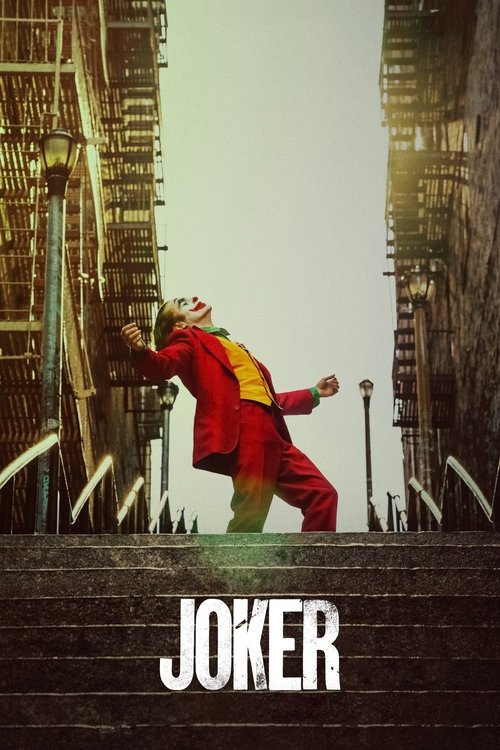
Joker
2019 · Directed by Todd Phillips
Woke Score
CriticCritic Score
Audience
Based
Critics rated this 31 points above its woke score. Among Based films, this critic score ranks #248 of 345.
Representation Casting
Score: 25/100
The cast features Zazie Beetz in a supporting role, but casting choices are not driven by representation imperatives. The film makes no particular effort to center or celebrate diverse perspectives.
LGBTQ+ Themes
Score: 0/100
No LGBTQ+ themes or representation present in the film. Sexual orientation and gender identity are not addressed.
Feminist Agenda
Score: 15/100
The film depicts Arthur's mother as a complex character, but does not engage with feminist frameworks or advocacy. Female characters exist in the narrative without advancing any particular gender consciousness.
Racial Consciousness
Score: 20/100
While the film depicts systemic inequality affecting marginalized people, it does not explicitly foreground race or racial justice. The critique is more broadly about class than about racial consciousness specifically.
Climate Crusade
Score: 0/100
No climate themes, environmental consciousness, or eco-friendly messaging present. The film is set in the 1980s and makes no commentary on climate or environmental issues.
Eat the Rich
Score: 45/100
The film critiques systemic neglect, austerity, and the abandonment of the poor by wealthy institutions. However, this critique is presented through individual tragedy rather than as advocacy for economic restructuring or anti-capitalist reform.
Body Positivity
Score: 0/100
No body positivity messaging or fat acceptance themes. The film does not engage with contemporary conversations about body image or acceptance.
Neurodivergence
Score: 10/100
Arthur's mental illness is central to the plot, but the film treats it as a source of tragedy and danger rather than as neurodivergence to be understood or normalized. There is no advocacy or cultural consciousness around mental health.
Revisionist History
Score: 0/100
The film is set in a fictional Gotham City in the 1980s and does not engage with historical revisionism or reframing of historical events.
Lecture Energy
Score: 15/100
The film is deliberately ambiguous and avoids preachy messaging. It presents its world and allows viewers to draw their own conclusions, minimizing the prescriptive moral clarity typical of contemporary progressive cinema.


Synopsis
During the 1980s, a failed stand-up comedian is driven insane and turns to a life of crime and chaos in Gotham City while becoming an infamous psychopathic crime figure.
Consciousness Assessment
Todd Phillips' "Joker" is a film that exists in the complicated space between social commentary and nihilistic provocation, a zone where critics of all political persuasions found something to seize upon. The film depicts systemic abandonment, austerity's human cost, and the dehumanization of the poor with considerable aesthetic commitment. Joaquin Phoenix delivers a performance of such committed misery that we cannot look away from Arthur Fleck's deterioration. Yet the film's approach to these themes resists the prescriptive clarity that contemporary progressive cinema typically demands.
What distinguishes "Joker" from films more actively engaged with contemporary cultural consciousness is its refusal to offer solutions, advocacy, or moral instruction. The violence is not framed as righteous uprising but as individual psychological collapse. The marginalization depicted is treated as tragedy rather than as an opportunity for representation or cultural awareness. Arthur's mental illness, which drives the narrative, is presented as something to be pitied and feared rather than understood or normalized. The film critiques capitalism's indifference without proposing alternatives. It shows us a world that has failed its vulnerable people and then watches with detached interest as those people break.
The film's casting and representation choices are neither particularly progressive nor particularly regressive. Zazie Beetz appears as a love interest, but her character exists within the narrative rather than as a statement about representation. There are no LGBTQ+ themes, no body positivity messaging, no climate consciousness, no explicit racial justice framework. What emerges is a film that engages with class and systemic inequality in a manner that feels more aligned with pre-2015 leftist cinema than with contemporary social justice sensibilities. It is serious, it is bleak, and it is fundamentally uninterested in the redemptive arc that progressive narratives typically require.
Analysis generated by our Consciousness Algorithm
Critic Reviews
“Featuring a riveting, fully realized, and Oscar-worthy performance by Joaquin Phoenix, Joker would work just as well as an engrossing character study without any of its DC Comics trappings; that it just so happens to be a brilliant Batman-universe movie is icing on the Batfan cake. You will likely leave Joker feeling like I did: unsettled and ready to debate the film for years to come.”
“More character study than comic book movie, and anchored by an Oscar-worthy Joaquin Phoenix, Joker is a bravura blockbuster that proves you don’t need superpowered scraps to dazzle.”
“Joaquin Phoenix is devastating as the villain-in-the-making in this incendiary tale of psychological escape and psychopathy.”
“The result is a movie of a cynicism so vast and pervasive as to render the viewing experience even emptier than its slapdash aesthetic does.”
Consciousness Markers
The cast features Zazie Beetz in a supporting role, but casting choices are not driven by representation imperatives. The film makes no particular effort to center or celebrate diverse perspectives.
No LGBTQ+ themes or representation present in the film. Sexual orientation and gender identity are not addressed.
The film depicts Arthur's mother as a complex character, but does not engage with feminist frameworks or advocacy. Female characters exist in the narrative without advancing any particular gender consciousness.
While the film depicts systemic inequality affecting marginalized people, it does not explicitly foreground race or racial justice. The critique is more broadly about class than about racial consciousness specifically.
No climate themes, environmental consciousness, or eco-friendly messaging present. The film is set in the 1980s and makes no commentary on climate or environmental issues.
The film critiques systemic neglect, austerity, and the abandonment of the poor by wealthy institutions. However, this critique is presented through individual tragedy rather than as advocacy for economic restructuring or anti-capitalist reform.
No body positivity messaging or fat acceptance themes. The film does not engage with contemporary conversations about body image or acceptance.
Arthur's mental illness is central to the plot, but the film treats it as a source of tragedy and danger rather than as neurodivergence to be understood or normalized. There is no advocacy or cultural consciousness around mental health.
The film is set in a fictional Gotham City in the 1980s and does not engage with historical revisionism or reframing of historical events.
The film is deliberately ambiguous and avoids preachy messaging. It presents its world and allows viewers to draw their own conclusions, minimizing the prescriptive moral clarity typical of contemporary progressive cinema.