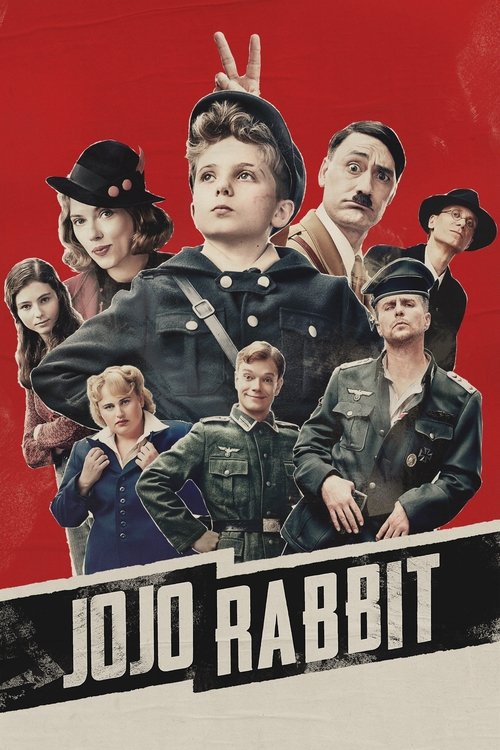
Jojo Rabbit
2019 · Directed by Taika Waititi
Woke Score
CriticCritic Score
Audience
Woke-Adjacent
Critics rated this 0 points above its woke score. Among Woke-Adjacent films, this critic score ranks #119 of 151.
Representation Casting
Score: 72/100
The film features intentional diverse casting, including Thomasin McKenzie as Elsa (Jewish refugee), Sam Rockwell in a sympathetic role, and Rebel Wilson in a comedic supporting part. The representation extends to the protagonist being a child questioning propaganda, which carries implicit progressive messaging.
LGBTQ+ Themes
Score: 35/100
Sam Rockwell's character Captain K is coded as possibly closeted or queer through subtext and his vulnerability, though the film never explicitly addresses LGBTQ+ identity or themes. The representation remains ambiguous and secondary to the main narrative.
Feminist Agenda
Score: 58/100
Scarlett Johansson's character embodies maternal strength and anti-fascist moral clarity, and the film privileges female moral courage. However, the feminist messaging remains implicit rather than foregrounded as a central theme of the narrative.
Racial Consciousness
Score: 42/100
The film centers a Jewish girl's experience and treats antisemitism as abhorrent, but does so primarily through an individualized relationship narrative rather than systemic analysis. Racial consciousness is present but not deeply interrogated.
Climate Crusade
Score: 0/100
No climate-related themes, environmental consciousness, or ecological messaging appears in the film. The setting and subject matter do not engage with climate concerns.
Eat the Rich
Score: 0/100
The film contains no anti-capitalist messaging, critique of wealth inequality, or commentary on economic systems. The narrative focuses on ideology and morality rather than material conditions.
Body Positivity
Score: 0/100
No body positivity themes, size acceptance, or commentary on physical appearance standards appear in the film. Bodies are not treated as a site of progressive concern.
Neurodivergence
Score: 0/100
The film contains no representation of neurodivergent characters, autism representation, ADHD representation, or mental health accommodation themes.
Revisionist History
Score: 48/100
The film presents a sympathetic portrayal of a Nazi officer and emphasizes the possibility of moral redemption for those indoctrinated into fascism, which constitutes a soft revisionism that privileges humanist sentiment over historical accuracy regarding complicity.
Lecture Energy
Score: 55/100
The film maintains a comedic tone that mitigates preachiness, but scenes involving Jojo's moral awakening and the mother's anti-fascist stance carry implicit lessons about tolerance and ideological critique. The tone is more satirical than preachy, though the messaging remains clear.


Synopsis
Jojo, a lonely German boy during World War II has his world shaken when he learns that his single mother is hiding a Jewish girl in their home. Influenced by a buffoonish imaginary version of Adolf Hitler, he begins to question his beliefs and confront the conflict between propaganda and his own humanity.
Consciousness Assessment
Jojo Rabbit presents itself as a cautionary tale about the seductive power of propaganda, yet its progressive credentials are more nuanced than its admirers suggest. The film's central conceit, that a child indoctrinated into Nazism can be redeemed through exposure to humanizing relationships with a Jewish girl and a sympathetic gay soldier, rests on an assumption that fascism is primarily a failure of empathy rather than ideology. This framing, while emotionally compelling, sidesteps harder questions about systemic evil in favor of a more palatable narrative about individual moral awakening.
The casting demonstrates a deliberate commitment to representation, particularly in the role of Elsa as a Jewish refugee and the prominent presence of Sam Rockwell as a conflicted Nazi officer whose humanity is foregrounded. Scarlett Johansson's portrayal of Jojo's mother emphasizes maternal warmth and anti-fascist courage, lending the film a gentle feminist undercurrent that privileges female moral clarity. The film's mockery of fascist aesthetics and ideology carries unmistakable progressive intent, and it does not shy away from depicting Nazis as buffoonish or contemptible. Yet the satire remains fundamentally comedic rather than confrontational, trading in laughs that risk domesticating genuine horror.
What distinguishes this film from more earnest Holocaust narratives is its insistence on maintaining tonal lightness even while addressing the extermination of European Jewry. This tonal choice reflects a distinctly contemporary sensibility about how to process historical trauma through irony and humanist sentiment. The film's belief that understanding and love can overcome ideological commitment marks it as a product of 2020s progressive optimism, though one tempered by the knowledge that such optimism may be insufficient to the scale of the historical evil depicted.
Analysis generated by our Consciousness Algorithm
Critic Reviews
“Jojo Rabbit succeeds even with a high degree of difficulty, given the sensitivities of the subject matter, the emotional undercurrent of a mother’s devotion to her son and the breaking down of artificial walls to let love in. As much as it makes you laugh, Waititi’s must-watch effort is a warm hug of a movie that just so happens to have a lot of important things to say.”
“Waititi infuses a level of humanity into WWII without blindly forgiving those responsible, nor hiding behind the guise of good guys in bad situations, or allowing even a 10-year-old boy to get away with hate without swift retribution and thorough self-examination.”
“Waititi is incapable of dealing with the twin horrors of oppression and indoctrination beyond cheap-seats sentimentality and joke-making.”
Consciousness Markers
The film features intentional diverse casting, including Thomasin McKenzie as Elsa (Jewish refugee), Sam Rockwell in a sympathetic role, and Rebel Wilson in a comedic supporting part. The representation extends to the protagonist being a child questioning propaganda, which carries implicit progressive messaging.
Sam Rockwell's character Captain K is coded as possibly closeted or queer through subtext and his vulnerability, though the film never explicitly addresses LGBTQ+ identity or themes. The representation remains ambiguous and secondary to the main narrative.
Scarlett Johansson's character embodies maternal strength and anti-fascist moral clarity, and the film privileges female moral courage. However, the feminist messaging remains implicit rather than foregrounded as a central theme of the narrative.
The film centers a Jewish girl's experience and treats antisemitism as abhorrent, but does so primarily through an individualized relationship narrative rather than systemic analysis. Racial consciousness is present but not deeply interrogated.
No climate-related themes, environmental consciousness, or ecological messaging appears in the film. The setting and subject matter do not engage with climate concerns.
The film contains no anti-capitalist messaging, critique of wealth inequality, or commentary on economic systems. The narrative focuses on ideology and morality rather than material conditions.
No body positivity themes, size acceptance, or commentary on physical appearance standards appear in the film. Bodies are not treated as a site of progressive concern.
The film contains no representation of neurodivergent characters, autism representation, ADHD representation, or mental health accommodation themes.
The film presents a sympathetic portrayal of a Nazi officer and emphasizes the possibility of moral redemption for those indoctrinated into fascism, which constitutes a soft revisionism that privileges humanist sentiment over historical accuracy regarding complicity.
The film maintains a comedic tone that mitigates preachiness, but scenes involving Jojo's moral awakening and the mother's anti-fascist stance carry implicit lessons about tolerance and ideological critique. The tone is more satirical than preachy, though the messaging remains clear.