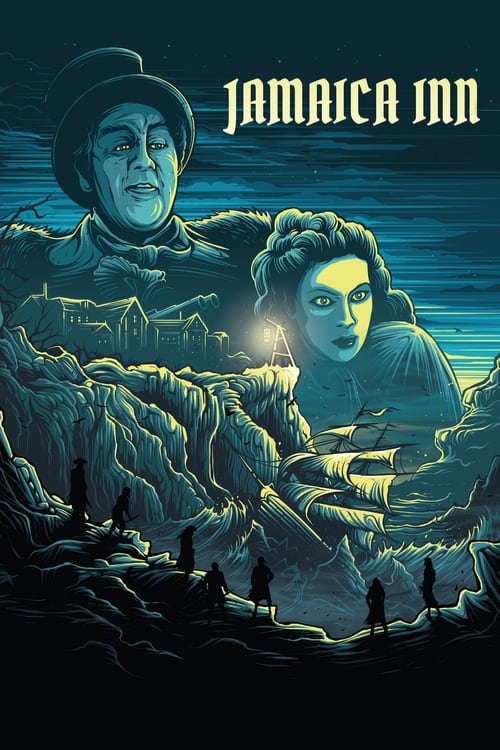
Jamaica Inn
1939 · Directed by Alfred Hitchcock
Woke Score
CriticCritic Score
Ultra Based
Critics rated this 48 points above its woke score. Among Ultra Based films, this critic score ranks #1124 of 1469.
Representation Casting
Score: 0/100
The cast is entirely white, reflecting 1939 British production without contemporary diversity consciousness.
LGBTQ+ Themes
Score: 0/100
No LGBTQ+ themes, characters, or subtext present in the film.
Feminist Agenda
Score: 5/100
Mary Yellan is a female protagonist who actively investigates crimes, reflecting 1930s adventure fiction conventions rather than modern feminist consciousness.
Racial Consciousness
Score: 0/100
No racial themes, commentary, or contemporary racial consciousness evident in the narrative.
Climate Crusade
Score: 0/100
No environmental or climate-related themes present in the film.
Eat the Rich
Score: 5/100
Criminals exploit commercial shipping for profit, but this is treated as crime plot rather than systemic critique.
Body Positivity
Score: 0/100
Charles Laughton's character is portrayed as gluttonous as a character trait, not reflecting body positivity consciousness.
Neurodivergence
Score: 0/100
No representation or thematic engagement with neurodivergence in the film.
Revisionist History
Score: 0/100
The film adapts its source material without revisionist historical consciousness or contemporary reinterpretation.
Lecture Energy
Score: 0/100
The film is a straightforward thriller with no preachy messaging about social issues or systems.


Synopsis
In early 19th-century Cornwall, young Mary Yellan travels to live with her aunt and uncle at the remote Jamaica Inn, where she discovers the inn is a front for a violent gang of wreckers who lure ships to their doom along the coast. As she becomes entangled in their crimes, Mary must fight to survive and uncover the truth behind the terror that haunts the moors.
Consciousness Assessment
Jamaica Inn stands as a relic of pre-progressive cinema, a straightforward adventure thriller unconcerned with the cultural consciousness markers that would come to dominate filmmaking decades later. Hitchcock's adaptation of Daphne du Maurier's novel presents a young woman protagonist investigating criminal activity, a conventional choice for adventure fiction of the period that owes nothing to modern sensibilities about gender representation. The film is instead preoccupied with the mechanics of suspense, with matters of shipwrecking, criminal conspiracy, and moral corruption treated as plot devices rather than occasions for social commentary. Charles Laughton's gluttonous squire villain exists to be menacing and scenery-chewing, not to prompt reflection on body image or class struggle. The entirely white cast reflects the production's time and place without irony or contemporary awareness. There is no environmental consciousness, no LGBTQ+ subtext, no neurodivergent representation, no revisionist historical perspective. The film simply tells its story. In terms of progressive cultural markers, Jamaica Inn registers as a complete non-event, which is precisely what we should expect from a 1939 British thriller. It is neither preachy nor preachy about social systems. It is merely a film about criminals and a young woman discovering their secrets. One might call this refreshing or merely unremarkable depending on one's appetite for cultural analysis of period pieces.
Analysis generated by our Consciousness Algorithm
Critic Reviews
“Alfred Hitchcock’s Jamaica Inn would have been better titled The Gangs of Jamaica Inn, since the film is thoroughly concerned with groupings, allegiances, and the ways class standing relates to moral obligation.”
“With Hitchcock halfway out the door, Jamaica Inn could have come across as strictly a work-for-hire gig, but it displays enough Hitchcockery to show he wasn’t as disengaged from the material as he would later claim he was.”
“Superb direction, excellent casting, expressive playing and fine production offset an uneven screenplay to make Jamaica Inn a gripping version of the Daphne du Maurier novel. ”
“JAMAICA INN had many interesting incidents associated with it. Unfortunately, very little of that interest reached the screen. ”
Consciousness Markers
The cast is entirely white, reflecting 1939 British production without contemporary diversity consciousness.
No LGBTQ+ themes, characters, or subtext present in the film.
Mary Yellan is a female protagonist who actively investigates crimes, reflecting 1930s adventure fiction conventions rather than modern feminist consciousness.
No racial themes, commentary, or contemporary racial consciousness evident in the narrative.
No environmental or climate-related themes present in the film.
Criminals exploit commercial shipping for profit, but this is treated as crime plot rather than systemic critique.
Charles Laughton's character is portrayed as gluttonous as a character trait, not reflecting body positivity consciousness.
No representation or thematic engagement with neurodivergence in the film.
The film adapts its source material without revisionist historical consciousness or contemporary reinterpretation.
The film is a straightforward thriller with no preachy messaging about social issues or systems.