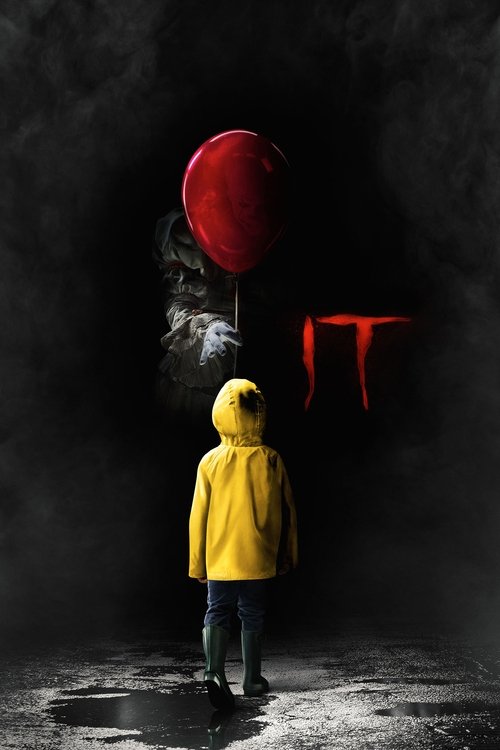
It
2017 · Directed by Andy Muschietti · $1.4M domestic
Woke Score
CriticCritic Score
Audience
Ultra Based
Critics rated this 61 points above its woke score. Among Ultra Based films, this critic score ranks #643 of 1469.
Representation Casting
Score: 32/100
The cast includes actors of various racial backgrounds (Chosen Jacobs as a Black character, Sophia Lillis as female lead) and is notably diverse, but this diversity is organic to the story rather than serving as contemporary social commentary.
LGBTQ+ Themes
Score: 0/100
No LGBTQ representation or themes in It Chapter One. The Richie Tozier subplot emerges only in Chapter Two and is not present in this film.
Feminist Agenda
Score: 15/100
Beverly is a capable female protagonist who stands as an equal among the Losers Club, but the film does not engage in feminist messaging or commentary about gender dynamics.
Racial Consciousness
Score: 12/100
While the cast is diverse, there is minimal exploration of racial themes or consciousness. Mike Hanlon's race is incidental to his role in the story rather than being addressed thematically.
Climate Crusade
Score: 0/100
No climate-related themes, messaging, or environmental crusading present in the film.
Eat the Rich
Score: 0/100
No anti-capitalist critique or eat-the-rich messaging. The film does not engage with economic systems or class struggle.
Body Positivity
Score: 0/100
No body positivity agenda or commentary on body image. The film does not address these themes.
Neurodivergence
Score: 0/100
No representation of neurodivergence or commentary on neurodivergent experiences. The characters do not exhibit or discuss neurodivergent traits.
Revisionist History
Score: 0/100
The film is set in 1989 and does not attempt to revise or reinterpret historical events or narratives.
Lecture Energy
Score: 0/100
The film does not lecture the audience about social issues. It prioritizes narrative momentum and scares over preachy messaging.


Synopsis
In a small town in Maine, seven children known as The Losers Club come face to face with life problems, bullies and a monster that takes the shape of a clown called Pennywise.
Consciousness Assessment
It (2017) is a horror film that happens to feature a diverse cast without making that diversity the subject of the film itself. The Losers Club includes children of various racial and ethnic backgrounds, and a female protagonist who is treated as an equal member of the group, but these elements are woven into the fabric of the narrative rather than highlighted for commentary. The film's concerns are fundamentally supernatural and psychological, centered on childhood trauma, bullying, and the power of friendship to overcome fear. Any progressive sensibilities present are incidental rather than intentional.
The film contains no LGBTQ representation worth noting in this first chapter, no environmental messaging, no anti-capitalist critique, and no particular interest in contemporary social consciousness. What we have instead is a competent adaptation of a 1986 novel that respects the source material while updating the visual language to contemporary standards. The bullying sequences, while uncomfortable, serve the plot rather than existing to make a statement about systemic oppression.
This is ultimately a commercial horror film that achieved massive success because it is well-crafted and taps into genuine scares and emotional stakes. Its diversity is unremarkable in the modern context, which is perhaps the point. It simply exists without needing to announce or justify its casting choices, and that restraint is precisely why it scores as low as it does on the metrics of cultural messaging.
Analysis generated by our Consciousness Algorithm
Critic Reviews
“IT...carried me along from the opening frame, rarely missing a beat.”
“It’s smart and funny and makes great effort to capture not just a time and place, but the specific feelings of being on the verge of adulthood and thinking the world is against you. ”
“IT may not be the best Stephen King movie (even though it comes impressively close), but it’s probably the MOST Stephen King movie. ”
“Childhood: courtesy of Mr. King. Filtered through the pedestrian sensibilities of director Andy Muschietti, who seemingly never met a horror-movie cliché he couldn’t incorporate into his adaptation of King’s thousand-page-plus mega-opus.”
Consciousness Markers
The cast includes actors of various racial backgrounds (Chosen Jacobs as a Black character, Sophia Lillis as female lead) and is notably diverse, but this diversity is organic to the story rather than serving as contemporary social commentary.
No LGBTQ representation or themes in It Chapter One. The Richie Tozier subplot emerges only in Chapter Two and is not present in this film.
Beverly is a capable female protagonist who stands as an equal among the Losers Club, but the film does not engage in feminist messaging or commentary about gender dynamics.
While the cast is diverse, there is minimal exploration of racial themes or consciousness. Mike Hanlon's race is incidental to his role in the story rather than being addressed thematically.
No climate-related themes, messaging, or environmental crusading present in the film.
No anti-capitalist critique or eat-the-rich messaging. The film does not engage with economic systems or class struggle.
No body positivity agenda or commentary on body image. The film does not address these themes.
No representation of neurodivergence or commentary on neurodivergent experiences. The characters do not exhibit or discuss neurodivergent traits.
The film is set in 1989 and does not attempt to revise or reinterpret historical events or narratives.
The film does not lecture the audience about social issues. It prioritizes narrative momentum and scares over preachy messaging.