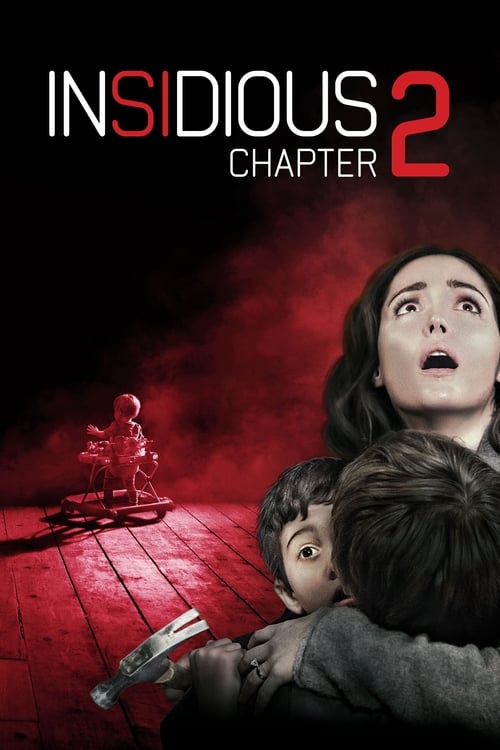
Insidious: Chapter 2
2013 · Directed by James Wan
Woke Score
CriticCritic Score
Audience
Ultra Based
Critics rated this 38 points above its woke score. Among Ultra Based films, this critic score ranks #1347 of 1469.
Representation Casting
Score: 0/100
The cast reflects no intentional diversity considerations and appears selected purely for commercial appeal and genre conventions. Representation exists without commentary or conscious inclusion.
LGBTQ+ Themes
Score: 0/100
No LGBTQ+ themes, characters, or subtext appear in the film. The narrative is entirely heteronormative and contains no engagement with sexual orientation or gender identity.
Feminist Agenda
Score: 0/100
No feminist themes or discourse are present. Female characters exist within traditional domestic and family structures without any examination of gender dynamics or power imbalances.
Racial Consciousness
Score: 0/100
The film contains no examination of race, racial dynamics, or racial consciousness. Cultural identity is entirely absent from the narrative.
Climate Crusade
Score: 0/100
Environmental concerns are completely absent from the film. There is no engagement with climate crisis, environmental degradation, or ecological consciousness.
Eat the Rich
Score: 0/100
The film presents no critique of capitalism, corporate power, or economic systems. Material conditions are irrelevant to the supernatural conflict.
Body Positivity
Score: 0/100
Body positivity and discussions of physical appearance or body standards are entirely absent. The film makes no commentary on bodily diversity or acceptance.
Neurodivergence
Score: 2/100
While the film touches on psychological distress and altered perceptions of reality in service of the horror plot, this is functional to the genre rather than a genuine engagement with neurodivergent representation or consciousness.
Revisionist History
Score: 0/100
No historical revisionism is present. The film contains no engagement with historical narratives or revisionist interpretation of past events.
Lecture Energy
Score: 0/100
The film contains no preachy impulse or instructional tone regarding social issues. It makes no attempt to educate the audience about contemporary social consciousness.


Synopsis
The haunted Lambert family seeks to uncover the mysterious childhood secret that has left them dangerously connected to the spirit world.
Consciousness Assessment
Insidious: Chapter 2 stands as a monument to the apolitical horror sequel, a film so thoroughly disinterested in contemporary social consciousness that it achieves a kind of purity through its indifference. The Lambert family navigates their supernatural entanglement with a focus that remains strictly domestic and metaphysical, untouched by the cultural preoccupations of the moment. Patrick Wilson and Rose Byrne anchor the proceedings with competent earnestness, their performances serving the demands of the genre rather than any larger cultural statement.
The film's narrative architecture contains no space for progressive sensibility. There is no interrogation of family dynamics through a contemporary lens, no engagement with questions of representation or identity, no environmental anxiety lurking beneath the supernatural menace. The spirit world operates according to its own internal logic, indifferent to social hierarchies or political consciousness. Even the film's treatment of mental health and psychological trauma remains purely functional to the plot mechanics, serving the horror rather than interrogating the condition itself.
What emerges from this analysis is a work of pure genre entertainment, untouched by the cultural currents that would increasingly shape mainstream cinema in the years following. The film is neither ahead of its time nor behind it. It simply exists within the conventions of 2013 horror cinema, making no claims to social awareness and offering none. This is not a failure of the film so much as a reflection of its fundamental purpose, which is to frighten audiences and continue a profitable franchise.
Analysis generated by our Consciousness Algorithm
Critic Reviews
“A modestly scaled and highly pleasurable sequel to Wan’s low-budget 2011 smash that should have genre fans begging for thirds.”
“Wan in particular is pacing today's movie horror by reverting to the past. There's a touch of Hammer Films in his haunted house atmospheres, and Roger Corman in his groaning comic relief from the dread.”
“Though Wan is stepping away from horror, at least for now, to direct the next The Fast And The Furious sequel, the latest Insidious entry suggests he’s a long way from running out of new tricks, or at least finding infinite variations on old ones.”
“Insidious: Chapter 2 is perhaps an even more scattershot mess than its predecessor. Whannell's script is so rife with portentous backstory, third-act goofiness, and a denouement that practically screams "Insidious 3: Same Old Shit," that the film as a whole is jarring, and not in a good way.”
Consciousness Markers
The cast reflects no intentional diversity considerations and appears selected purely for commercial appeal and genre conventions. Representation exists without commentary or conscious inclusion.
No LGBTQ+ themes, characters, or subtext appear in the film. The narrative is entirely heteronormative and contains no engagement with sexual orientation or gender identity.
No feminist themes or discourse are present. Female characters exist within traditional domestic and family structures without any examination of gender dynamics or power imbalances.
The film contains no examination of race, racial dynamics, or racial consciousness. Cultural identity is entirely absent from the narrative.
Environmental concerns are completely absent from the film. There is no engagement with climate crisis, environmental degradation, or ecological consciousness.
The film presents no critique of capitalism, corporate power, or economic systems. Material conditions are irrelevant to the supernatural conflict.
Body positivity and discussions of physical appearance or body standards are entirely absent. The film makes no commentary on bodily diversity or acceptance.
While the film touches on psychological distress and altered perceptions of reality in service of the horror plot, this is functional to the genre rather than a genuine engagement with neurodivergent representation or consciousness.
No historical revisionism is present. The film contains no engagement with historical narratives or revisionist interpretation of past events.
The film contains no preachy impulse or instructional tone regarding social issues. It makes no attempt to educate the audience about contemporary social consciousness.