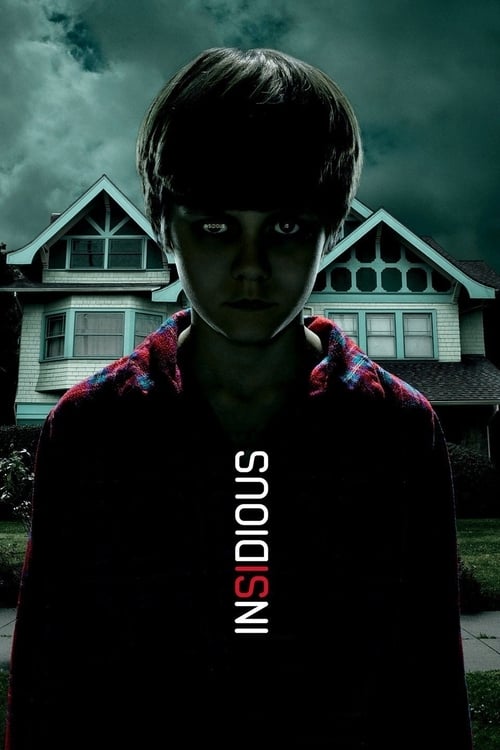
Insidious
2011 · Directed by James Wan
Woke Score
CriticCritic Score
Audience
Ultra Based
Critics rated this 52 points above its woke score. Among Ultra Based films, this critic score ranks #1107 of 1469.
Representation Casting
Score: 0/100
The cast is predominantly white with no apparent intentional effort toward diverse representation. Character roles are distributed according to conventional horror archetypes without consideration for demographic representation.
LGBTQ+ Themes
Score: 0/100
No LGBTQ+ themes, characters, or subtext are present in the film. The narrative contains no romantic or sexual elements beyond the heterosexual marriage of the central couple.
Feminist Agenda
Score: 0/100
While the mother character is present and concerned, she functions primarily as a supportive spouse and anxious parent rather than as a character with independent agency or feminist consciousness.
Racial Consciousness
Score: 0/100
The film contains no racial commentary, exploration of racial dynamics, or acknowledgment of racial identity. Race is not thematized or addressed in any meaningful way.
Climate Crusade
Score: 0/100
No environmental themes, climate messaging, or ecological concern appears in the narrative. The supernatural threat has no connection to environmental or climate-related concepts.
Eat the Rich
Score: 0/100
The film contains no critique of capitalism, wealth inequality, or economic systems. Economic structures are not interrogated or thematized.
Body Positivity
Score: 0/100
No body positivity messaging or celebration of diverse body types appears in the film. The narrative shows no engagement with body image or body diversity themes.
Neurodivergence
Score: 0/100
No neurodivergent characters, representation, or thematic engagement with neurodiversity is present. The son's comatose state is purely supernatural rather than neurological.
Revisionist History
Score: 0/100
The film contains no historical elements or revisionist framing. It is set in a contemporary suburban setting with no engagement with historical narrative.
Lecture Energy
Score: 0/100
The film maintains a straightforward horror narrative without preachy messaging or expository speeches regarding social issues or progressive values.


Synopsis
A family discovers that dark spirits have invaded their home after their son inexplicably falls into an endless sleep. When they reach out to a professional for help, they learn things are a lot more personal than they thought.
Consciousness Assessment
Insidious operates as a pure genre exercise, a supernatural horror film concerned exclusively with atmospheric dread and narrative momentum. Released in 2011, the film predates the cultural consolidation of what we now recognize as contemporary progressive sensibilities by several years. It presents a traditional nuclear family unit confronted with inexplicable paranormal phenomena, and the entire machinery of the narrative is devoted to plot mechanics rather than any engagement with social consciousness. The mother serves as supporting spouse and anxious parent, the father as primary protagonist, and the ensemble functions according to well-established horror genre conventions. There is no indication of LGBTQ+ representation, environmental concern, anti-capitalist messaging, disability representation, or revisionist historical intent. The film is simply what it appears to be: a competent haunted house narrative from the pre-woke era, when horror films had not yet begun to weaponize their narratives in service of broader cultural commentary. This is neither a critique nor an endorsement, merely an observation of genre parameters.
Analysis generated by our Consciousness Algorithm
Critic Reviews
“A haunted-house movie that has some of the most shivery and indelible images I've seen in any horror film in decades. Yes, it's that unsettling.”
“The spookiest and most entertaining horror flick since "Paranormal Activity."”
“A tidy terror flick, and refreshing with its intention to make viewers gasp rather than gag. ”
“The only remotely entertaining aspects of Insidious come from Whannell and Sampson as a comic pair of hypercompetitive hipster ghost hunters, and even that schtick is repeated ad nauseam.”
Consciousness Markers
The cast is predominantly white with no apparent intentional effort toward diverse representation. Character roles are distributed according to conventional horror archetypes without consideration for demographic representation.
No LGBTQ+ themes, characters, or subtext are present in the film. The narrative contains no romantic or sexual elements beyond the heterosexual marriage of the central couple.
While the mother character is present and concerned, she functions primarily as a supportive spouse and anxious parent rather than as a character with independent agency or feminist consciousness.
The film contains no racial commentary, exploration of racial dynamics, or acknowledgment of racial identity. Race is not thematized or addressed in any meaningful way.
No environmental themes, climate messaging, or ecological concern appears in the narrative. The supernatural threat has no connection to environmental or climate-related concepts.
The film contains no critique of capitalism, wealth inequality, or economic systems. Economic structures are not interrogated or thematized.
No body positivity messaging or celebration of diverse body types appears in the film. The narrative shows no engagement with body image or body diversity themes.
No neurodivergent characters, representation, or thematic engagement with neurodiversity is present. The son's comatose state is purely supernatural rather than neurological.
The film contains no historical elements or revisionist framing. It is set in a contemporary suburban setting with no engagement with historical narrative.
The film maintains a straightforward horror narrative without preachy messaging or expository speeches regarding social issues or progressive values.