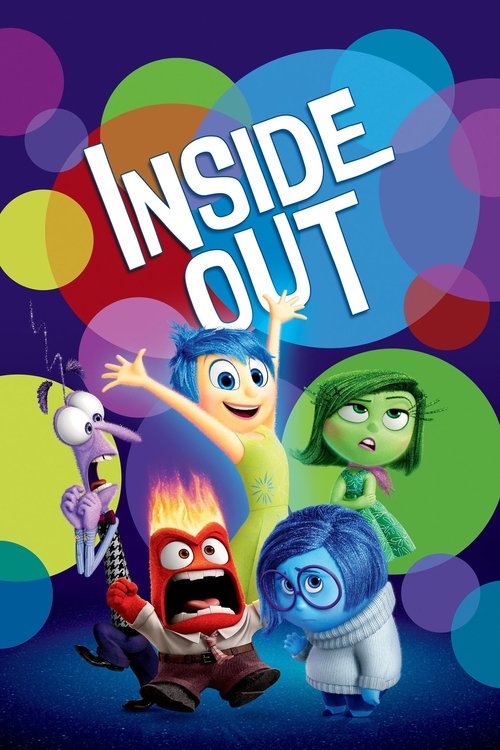
Inside Out
2015 · Directed by Pete Docter
Woke Score
CriticCritic Score
Audience
Ultra Based
Critics rated this 20 points above its woke score. Among Ultra Based films, this critic score ranks #1443 of 1469.
Representation Casting
Score: 35/100
The voice cast includes Mindy Kaling and reasonably diverse representation, but the casting reflects contemporary baseline standards rather than deliberate representational politics. The protagonist is female, which is now expected rather than progressive.
LGBTQ+ Themes
Score: 0/100
No LGBTQ+ themes, characters, or representation present in the film. The emotional characters are genderless abstractions without sexual orientation.
Feminist Agenda
Score: 15/100
The protagonist is female and depicted as the emotional center of the narrative, but this reflects contemporary norms rather than feminist critique. No engagement with gender politics or patriarchal systems.
Racial Consciousness
Score: 5/100
The film contains no exploration of race, racism, or racial identity. The suburban setting and narrative context are implicitly white-centered, with no acknowledgment of this particularity.
Climate Crusade
Score: 0/100
No climate-related themes, environmental messaging, or ecological consciousness appears in the film. The story is entirely interior to the protagonist's mind.
Eat the Rich
Score: 0/100
The film contains no critique of capitalism, consumption, or economic systems. The family's move is presented as a neutral life event rather than examined through economic lens.
Body Positivity
Score: 0/100
No body positivity messaging or commentary on physical appearance, body standards, or acceptance of diverse body types appears in this animated film about abstract emotions.
Neurodivergence
Score: 20/100
While the film validates emotional diversity and suggests that different emotional responses are legitimate, it does not engage with neurodivergence, disability, or neurodevelopmental conditions as specific forms of difference.
Revisionist History
Score: 0/100
No historical narratives or revisionist historical framings appear in this film. The story is entirely contemporary and personal.
Lecture Energy
Score: 15/100
The film carries some therapeutic or educational messaging about emotions, but it is woven into narrative and character development rather than delivered as explicit moral instruction or social commentary.


Synopsis
When 11-year-old Riley moves to a new city, her Emotions team up to help her through the transition. Joy, Fear, Anger, Disgust and Sadness work together, but when Joy and Sadness get lost, they must journey through unfamiliar places to get back home.
Consciousness Assessment
Inside Out is a film of genuine emotional sophistication that arrives at the peculiar moment when mental health awareness was becoming culturally mainstream, yet before contemporary progressive frameworks had fully colonized children's entertainment. The film's central conceit, that all emotions including sadness deserve validation, carries a quietly progressive message about emotional authenticity that resonates with contemporary sensibilities. However, this is fundamentally a humanist insight rather than an expression of 2020s social consciousness.
The casting includes voice actors of color and the protagonist is female, which represents a baseline contemporary standard rather than a deliberate statement about representation politics. Mindy Kaling's presence as Disgust offers some mild ethnic diversity in the emotional ensemble, though the character exists within the narrative logic of the story rather than as an act of representational consciousness-raising. The film's focus on a white suburban girl's adjustment to relocation, while emotionally resonant, contains no engagement with systemic inequality, marginalization, or the specific pressures faced by communities outside the mainstream.
The film deserves credit for its psychological sophistication and its refusal to pathologize sadness as a disorder requiring suppression. Yet it remains a product of mid-2010s sensibilities rather than a cultural text organized around contemporary progressive ideology. It speaks to emotional authenticity without speaking to power, representation, or the social structures that shape human experience. We are left with a beautifully crafted film about feelings that has little to say about the world in which those feelings occur.
Analysis generated by our Consciousness Algorithm
Critic Reviews
“This WWE-produced thriller is the best kind of bait-and-switch, auguring cranium-crushing action but instead delivering a meandering, eccentric, downright adorable existential crime yarn. ”
“Veering crazily in tone, Inside Out might fail to catapult its star into wider acceptability, but should delight fans of lightly absurd actioners.”
“If Paul Levesque, the professional wrestler better known as Triple H, hopes to follow the career path of, say, Dwayne Johnson, who is now a credible action-adventure leading man, he's going to need movies a lot better than Inside Out to do it. ”
“Inside Out should be wild and violent, playing on the soap-operatic mood swings that drive televised wrestling; instead it's one or two murders away from being a Lifetime movie of the week. ”
Consciousness Markers
The voice cast includes Mindy Kaling and reasonably diverse representation, but the casting reflects contemporary baseline standards rather than deliberate representational politics. The protagonist is female, which is now expected rather than progressive.
No LGBTQ+ themes, characters, or representation present in the film. The emotional characters are genderless abstractions without sexual orientation.
The protagonist is female and depicted as the emotional center of the narrative, but this reflects contemporary norms rather than feminist critique. No engagement with gender politics or patriarchal systems.
The film contains no exploration of race, racism, or racial identity. The suburban setting and narrative context are implicitly white-centered, with no acknowledgment of this particularity.
No climate-related themes, environmental messaging, or ecological consciousness appears in the film. The story is entirely interior to the protagonist's mind.
The film contains no critique of capitalism, consumption, or economic systems. The family's move is presented as a neutral life event rather than examined through economic lens.
No body positivity messaging or commentary on physical appearance, body standards, or acceptance of diverse body types appears in this animated film about abstract emotions.
While the film validates emotional diversity and suggests that different emotional responses are legitimate, it does not engage with neurodivergence, disability, or neurodevelopmental conditions as specific forms of difference.
No historical narratives or revisionist historical framings appear in this film. The story is entirely contemporary and personal.
The film carries some therapeutic or educational messaging about emotions, but it is woven into narrative and character development rather than delivered as explicit moral instruction or social commentary.