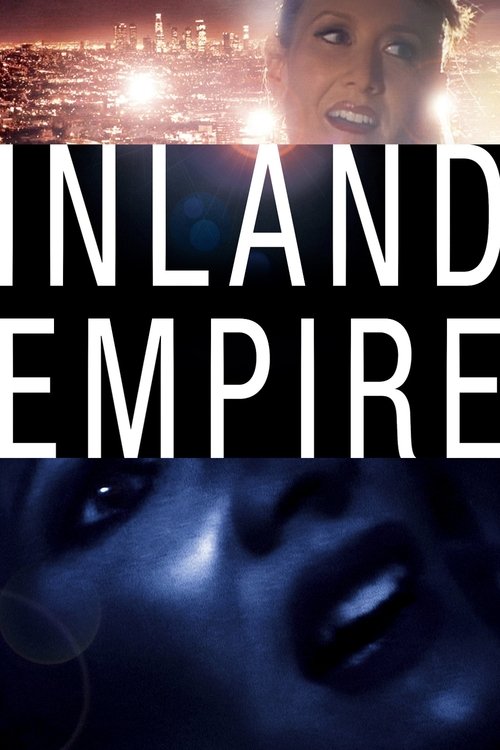
Inland Empire
2006 · Directed by David Lynch
Woke Score
CriticCritic Score
Audience
Ultra Based
Critics rated this 65 points above its woke score. Among Ultra Based films, this critic score ranks #529 of 1469.
Representation Casting
Score: 25/100
The cast includes international actors and a female lead, but casting appears driven by artistic and practical considerations rather than diversity mandates. No evidence of intentional representation strategy.
LGBTQ+ Themes
Score: 0/100
No LGBTQ+ themes, characters, or representation present in the film.
Feminist Agenda
Score: 45/100
Female protagonist's suffering and the implicit critique of male exploitation carry feminist undertones, but the film frames these through surrealism and psychology rather than systematic gender analysis. No explicit feminist framework.
Racial Consciousness
Score: 0/100
No evidence of racial consciousness, racial themes, or commentary on racial dynamics in the film.
Climate Crusade
Score: 0/100
No climate-related themes or environmental consciousness present in the narrative.
Eat the Rich
Score: 15/100
The film critiques Hollywood artifice and the exploitation of actors within the entertainment industry, but this emerges from surrealist exploration rather than coherent anti-capitalist ideology.
Body Positivity
Score: 0/100
No body positivity messaging or representation of diverse body types as a thematic concern.
Neurodivergence
Score: 0/100
While the protagonist experiences psychological fragmentation and surreal mental states, this is not presented as neurodivergence but as psychological breakdown and supernatural horror.
Revisionist History
Score: 0/100
No historical narratives or revisionist historical content present in the film.
Lecture Energy
Score: 0/100
The film maintains pure artistic abstraction and surrealism throughout, with no preachy moments or attempts to educate the audience about social issues.


Synopsis
When actress Nikki Grace gets the lead role in a cursed film, her world becomes more and more surreal, blending realities and ideas of infidelity, reincarnation, and supernatural forces.
Consciousness Assessment
Inland Empire occupies a curious position in the genealogy of cultural consciousness. Lynch's 2006 fever dream centers on female suffering and the brutal machinery of Hollywood, themes that would later become foundational to contemporary social awareness discourse. Yet the film was executed before the modern lexicon of progressive sensibilities had calcified into the specific aesthetic markers we now measure. Laura Dern's protagonist endures psychological torment, infidelity, and the systematic debasement inherent to the entertainment industry, but Lynch presents these horrors through a purely psychological and surrealist lens rather than as a systematic critique of patriarchal structures. The suffering is existential and universal, not positioned as a commentary on gender or power dynamics.
What modest progressive content the film contains emerges almost accidentally. The narrative thrust, as Lynch himself stated, concerns "a woman in trouble," which necessarily centers female experience and vulnerability. Dern's fragmented monologue about her history with abusive men contains implicit feminist material, but it functions within the film as psychological testimony rather than social argument. The production's international cast, particularly the Polish actress Karolina Gruszka, provides some baseline representation, though this reflects practical filmmaking choices rather than intentional diversity commitments. There is no lecture, no explicit consciousness-raising, no suggestion that systemic change is either desirable or possible.
The film's radical formlessness and refusal of conventional narrative structure might be read as a critique of capitalist entertainment, yet Lynch himself denied any master script or ideological framework. The work emerges from pure intuition and dream logic, not from political conviction. For the purposes of contemporary cultural measurement, Inland Empire registers as a film with humanist preoccupations and female-centered storytelling that predates its own cultural moment by nearly two decades. It is an important work about suffering and authenticity, but not one constructed with the specific markers of modern social consciousness.
Analysis generated by our Consciousness Algorithm
Critic Reviews
“In the end, it's best to make peace with the film's essential and deliberate inscrutability -- something Lynch fans have learned to do since Twin Peaks -- and to simply marvel at Dern's astonishing performance, which few actresses are likely to top anytime soon.”
“Inland Empire is interchangably terrifying, maddening, shockingly hilarious and perversely exciting, and that's just to those who end up disliking it.”
“David Lynch's first digital video, almost three hours long, resists synopsizing more than anything else he's done. Some viewers have complained, understandably, that it's incomprehensible, but it's never boring, and the emotions Lynch is expressing are never in doubt.”
“If anything, it's worth watching as yet another example of Lynch's extraordinary collaboration with Dern. It may be overstating things to call her performance heroic, but it's nothing if not brave, as she dares to embody Lynch's most brutal impressions of Hollywood -- not as a dream factory, but as the place where dreams come to die.”
Consciousness Markers
The cast includes international actors and a female lead, but casting appears driven by artistic and practical considerations rather than diversity mandates. No evidence of intentional representation strategy.
No LGBTQ+ themes, characters, or representation present in the film.
Female protagonist's suffering and the implicit critique of male exploitation carry feminist undertones, but the film frames these through surrealism and psychology rather than systematic gender analysis. No explicit feminist framework.
No evidence of racial consciousness, racial themes, or commentary on racial dynamics in the film.
No climate-related themes or environmental consciousness present in the narrative.
The film critiques Hollywood artifice and the exploitation of actors within the entertainment industry, but this emerges from surrealist exploration rather than coherent anti-capitalist ideology.
No body positivity messaging or representation of diverse body types as a thematic concern.
While the protagonist experiences psychological fragmentation and surreal mental states, this is not presented as neurodivergence but as psychological breakdown and supernatural horror.
No historical narratives or revisionist historical content present in the film.
The film maintains pure artistic abstraction and surrealism throughout, with no preachy moments or attempts to educate the audience about social issues.