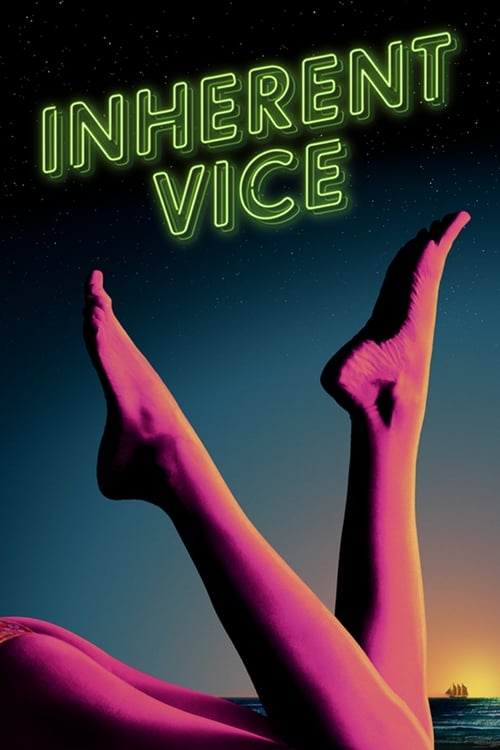
Inherent Vice
2014 · Directed by Paul Thomas Anderson
Woke Score
CriticCritic Score
Audience
Ultra Based
Critics rated this 73 points above its woke score. Among Ultra Based films, this critic score ranks #335 of 1469.
Representation Casting
Score: 25/100
The film features women in substantial roles (Katherine Waterston, Reese Witherspoon) and actors of color (Benicio del Toro, Hong Chau) in supporting positions, reflecting Los Angeles demographics rather than conscious representation politics.
LGBTQ+ Themes
Score: 0/100
No LGBTQ+ themes or characters of significance appear in the film.
Feminist Agenda
Score: 15/100
Female characters are integral to the plot but are not presented through an explicitly feminist lens focused on modern gender politics or consciousness-raising.
Racial Consciousness
Score: 10/100
The film's racial diversity reflects 1970s Los Angeles setting rather than a conscious engagement with modern racial consciousness or social justice messaging.
Climate Crusade
Score: 0/100
No climate-related themes or environmental consciousness appear in the film.
Eat the Rich
Score: 35/100
The film contains anti-government and counter-establishment sentiment reflecting 1970s countercultural politics and paranoia about institutional power, though this is historical rather than contemporary critique.
Body Positivity
Score: 0/100
No body positivity themes or commentary on body image appear in the film.
Neurodivergence
Score: 0/100
No engagement with neurodivergence or disability consciousness appears in the film.
Revisionist History
Score: 0/100
The film is nostalgic and elegiac rather than revisionist, mourning the death of a particular American moment without attempting to correct historical records.
Lecture Energy
Score: 5/100
The film is deliberately cryptic and oblique, refusing preachy explanation or moral instruction about any social cause or political position.


Synopsis
In Los Angeles at the turn of the 1970s, drug-fueled detective Larry "Doc" Sportello investigates the disappearance of an ex-girlfriend.
Consciousness Assessment
Inherent Vice exists in a state of deliberate narrative dissolution, a quality that extends to its relationship with contemporary progressive consciousness. Paul Thomas Anderson's adaptation of Thomas Pynchon's novel operates as a paranoid fever dream of 1970s Los Angeles, preoccupied with institutional corruption and the erosion of countercultural idealism rather than modern social justice frameworks. The film's antidote to this chaos is obfuscation itself. The presence of substantial female characters and a racially diverse supporting cast reflects Los Angeles demographics of the era, not a conscious commitment to representation politics as understood in the 2020s. Joaquin Phoenix's Doc Sportello stumbles through a labyrinth of plot threads that refuse resolution, much as the film refuses to lecture its audience about anything at all.
The film's anti-government and anti-capitalist currents are real enough, but they emerge from the historical moment being depicted rather than from contemporary woke sensibilities being imposed upon it. There is no explicit engagement with gender politics, LGBTQ+ themes, racial consciousness as a modern social movement, climate concerns, body positivity, or neurodivergence. The film's relationship to history is not revisionist but rather nostalgic and elegiac, mourning the death of a particular American moment without attempting to correct the historical record according to modern values. Anderson refuses to make any film preachy enough to warrant a "lecture energy" score of substance.
What remains is a film that happens to include women and people of color in its cast because Los Angeles in 1970 contained such people, not because the film had anything particular to say about their representation or social position. This is not progressive consciousness but rather the simple acknowledgment that the world contains human diversity. Inherent Vice operates too far outside the bounds of contemporary discourse to be meaningfully evaluated against the markers of modern progressive sensibility.
Analysis generated by our Consciousness Algorithm
Critic Reviews
“The film is stupendous: as antic as Boogie Nights and Punch-Drunk Love, but with The Master and There Will Be Blood’s uncanny feel for the swell and ebb of history. ”
“This movie is so funny, so strange, so wonderfully charmingly deranged.”
“Anderson’s seventh feature film is a groovy, richly funny stoner romp that has less in common with “The Big Lebowski” than with the strain of fatalistic, ’70s-era California noirs (“Chinatown,” “The Long Goodbye,” “Night Moves”) in which the question of “whodunit?” inevitably leads to an existential vanishing point.”
“Inherent Vice, meandering even by Anderson’s standards, is easily the worst of his movies, a soporific 2½-hour endurance test.”
Consciousness Markers
The film features women in substantial roles (Katherine Waterston, Reese Witherspoon) and actors of color (Benicio del Toro, Hong Chau) in supporting positions, reflecting Los Angeles demographics rather than conscious representation politics.
No LGBTQ+ themes or characters of significance appear in the film.
Female characters are integral to the plot but are not presented through an explicitly feminist lens focused on modern gender politics or consciousness-raising.
The film's racial diversity reflects 1970s Los Angeles setting rather than a conscious engagement with modern racial consciousness or social justice messaging.
No climate-related themes or environmental consciousness appear in the film.
The film contains anti-government and counter-establishment sentiment reflecting 1970s countercultural politics and paranoia about institutional power, though this is historical rather than contemporary critique.
No body positivity themes or commentary on body image appear in the film.
No engagement with neurodivergence or disability consciousness appears in the film.
The film is nostalgic and elegiac rather than revisionist, mourning the death of a particular American moment without attempting to correct historical records.
The film is deliberately cryptic and oblique, refusing preachy explanation or moral instruction about any social cause or political position.