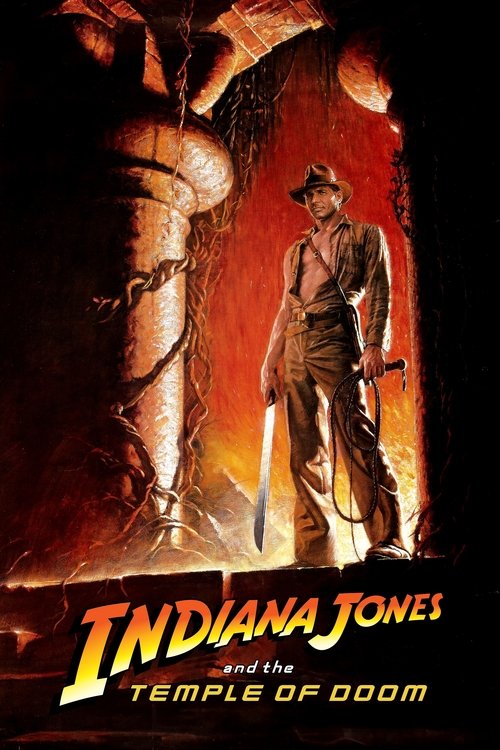
Indiana Jones and the Temple of Doom
1984 · Directed by Steven Spielberg
Woke Score
CriticCritic Score
Audience
Ultra Based
Critics rated this 53 points above its woke score. Among Ultra Based films, this critic score ranks #1008 of 1469.
Representation Casting
Score: 15/100
While the film features Indian actors, they are predominantly cast as villains, cultists, or subordinate characters. The central hero remains the white Western archaeologist.
LGBTQ+ Themes
Score: 0/100
No LGBTQ+ themes, representation, or subtext present in the film.
Feminist Agenda
Score: 5/100
The female lead is a helpless damsel requiring constant rescue. She exhibits incompetence, dependence, and is primarily valued for her appearance.
Racial Consciousness
Score: 20/100
The film perpetuates orientalist stereotypes of India as backward and dangerous. Indian culture is depicted through a lens of exoticism and savagery rather than with nuance or respect.
Climate Crusade
Score: 0/100
No climate-related themes or environmental consciousness present in the narrative.
Eat the Rich
Score: 10/100
While the plot involves a cult exploiting villagers, there is no systemic critique of economic structures or capitalism. The conflict is framed as good versus evil rather than structural.
Body Positivity
Score: 0/100
No body positivity themes present. The film adheres to conventional 1980s standards of attractiveness and physicality.
Neurodivergence
Score: 0/100
No representation of or engagement with neurodivergence in the film.
Revisionist History
Score: 35/100
The film invents and distorts historical details about India and the Thuggee cult for entertainment purposes, presenting colonial-era adventure fiction tropes as fact.
Lecture Energy
Score: 0/100
The film makes no attempt at preachy messaging or educational content about social issues.


Synopsis
After arriving in India, Indiana Jones is asked by a desperate village to find a mystical stone. He agrees – and stumbles upon a secret cult plotting a terrible plan in the catacombs of an ancient palace.
Consciousness Assessment
Indiana Jones and the Temple of Doom presents a fascinating case study in cultural insensitivity wrapped in the language of adventure spectacle. Released in 1984, the film was met with swift backlash over its portrayal of India, depicting the subcontinent as a realm of exotic danger, human sacrifice, and primitive superstition. The depiction of the Thuggee cult and Indian characters generally trafficked in orientalist tropes that were already well-established in colonial-era adventure fiction. What the film captures is not the social consciousness of its era but rather the unexamined assumptions of blockbuster filmmaking in the early 1980s, when such representations passed without the scrutiny they deserved.
The film's gender politics are equally instructive. Kate Capshaw's character exists primarily as a damsel to be rescued, dependent, and frequently incompetent in moments of crisis. She is introduced as a nightclub performer in a sequined gown and spends much of the narrative shrieking and requiring protection. The film offers no meaningful agency to its female lead, positioning her as decoration and liability rather than participant. Ke Huy Quan's Short Round, the child sidekick, fares somewhat better in terms of screen time and action participation, though he exists within a framework of cultural exoticization that the film never interrogates.
The film does inadvertently include a pro-repatriation message, with the narrative turning on the return of a sacred stone to the village that originally possessed it. This represents an accidental alignment with later cultural consciousness around artifact repatriation, though the film frames this restoration as the byproduct of adventure heroics rather than as a statement about colonial exploitation or cultural justice.
Analysis generated by our Consciousness Algorithm
Critic Reviews
“This movie is one of the most relentlessly nonstop action pictures ever made, with a virtuoso series of climactic sequences that must last an hour and never stop for a second. It's a roller-coaster ride, a visual extravaganza, a technical triumph, and a whole lot of fun.”
“The sustained furore of humour, visual panache and headlong momentum makes for dazzling cinema.”
“All in all, Spielberg has come up with another rousing piece of entertainment.”
“The heroic irony that was hilarious in Raiders is merely ridiculous here, and the half-tribute/half-parody of the adventure genre is toyed with to threadbare extremes. [23 May 1984]”
Consciousness Markers
While the film features Indian actors, they are predominantly cast as villains, cultists, or subordinate characters. The central hero remains the white Western archaeologist.
No LGBTQ+ themes, representation, or subtext present in the film.
The female lead is a helpless damsel requiring constant rescue. She exhibits incompetence, dependence, and is primarily valued for her appearance.
The film perpetuates orientalist stereotypes of India as backward and dangerous. Indian culture is depicted through a lens of exoticism and savagery rather than with nuance or respect.
No climate-related themes or environmental consciousness present in the narrative.
While the plot involves a cult exploiting villagers, there is no systemic critique of economic structures or capitalism. The conflict is framed as good versus evil rather than structural.
No body positivity themes present. The film adheres to conventional 1980s standards of attractiveness and physicality.
No representation of or engagement with neurodivergence in the film.
The film invents and distorts historical details about India and the Thuggee cult for entertainment purposes, presenting colonial-era adventure fiction tropes as fact.
The film makes no attempt at preachy messaging or educational content about social issues.