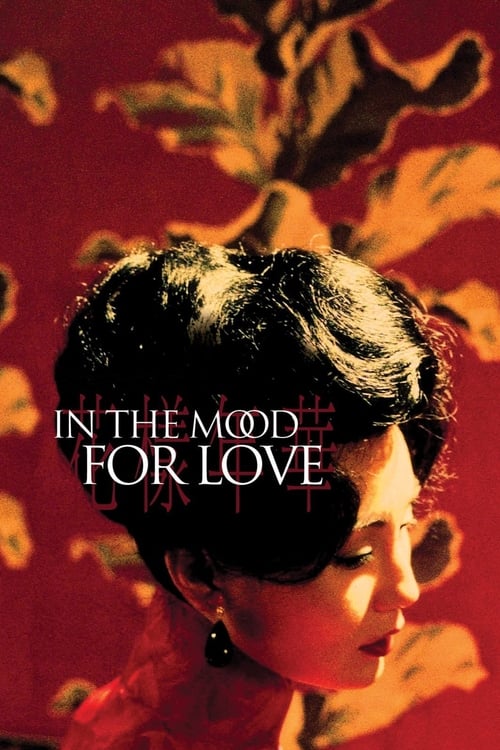
In the Mood for Love
2000 · Directed by Wong Kar-Wai
Woke Score
CriticCritic Score
Audience
Ultra Based
Critics rated this 83 points above its woke score. Among Ultra Based films, this critic score ranks #196 of 1469.
Representation Casting
Score: 15/100
The cast reflects Hong Kong's Han Chinese majority with no deliberate diversification efforts. Representation is naturalistic to the historical setting rather than intentional.
LGBTQ+ Themes
Score: 0/100
No LGBTQ+ themes are present. The narrative centers on heterosexual romantic tension and emotional restraint between a man and woman.
Feminist Agenda
Score: 5/100
The female lead is passive within the narrative structure, responding to male infidelity without agency or interrogation of gendered power dynamics. No feminist critique is offered.
Racial Consciousness
Score: 0/100
The film contains no racial consciousness or commentary. It documents a specific cultural moment in Hong Kong without addressing race as a social category.
Climate Crusade
Score: 0/100
Climate themes are entirely absent from this intimate, character-driven narrative set in interior spaces and urban streets.
Eat the Rich
Score: 3/100
The film depicts working-class Hong Kong residents in modest accommodations, but this serves aesthetic and narrative purposes rather than anti-capitalist critique.
Body Positivity
Score: 0/100
Body positivity is not a concern of this film. The aesthetic celebrates elegance and restraint in a conventionally attractive cast.
Neurodivergence
Score: 0/100
Neurodivergence is not addressed or represented. The film focuses on emotional and social conformity to 1960s Hong Kong norms.
Revisionist History
Score: 10/100
The film presents 1960s Hong Kong through a contemporary aesthetic lens, romanticizing the past without interrogating its social hierarchies or historical context.
Lecture Energy
Score: 2/100
The film eschews preachiness entirely, preferring visual and emotional storytelling. It makes no attempt to educate or persuade the viewer.


Synopsis
Two neighbors form a strong bond after both suspect extramarital activities of their spouses. However, they agree to keep their bond platonic so as not to commit similar wrongs.
Consciousness Assessment
Wong Kar-Wai's "In the Mood for Love" exists in a temporal and cultural register so far removed from contemporary progressive sensibilities that scoring it on modern social consciousness metrics feels almost like applying a thermometer to a painting. The film is a masterwork of visual restraint and emotional sublimation, set in 1960s Hong Kong where repression functions as both historical fact and aesthetic principle. Its two lead characters respond to infidelity not with confrontation but with a kind of stylized, almost balletic avoidance of their own desire. This is cinema as mood rather than message, atmosphere rather than argument.
The film's representation is naturalistic to its historical setting, with the cast reflecting Hong Kong's demographics of the era. Maggie Cheung and Tony Leung carry the narrative as elegant, constrained figures moving through cramped apartments and neon-lit streets. There is no deliberate effort to signal diversity or to interrogate the social structures that confine these characters. Gender roles follow the conventions of 1960s propriety that the film documents with a kind of melancholic precision. The wife and husband are present only as absences, as the betrayals that set the plot in motion, and the film offers no commentary on infidelity as a systemic or gendered phenomenon.
What emerges is the film's commitment to visual poetry over social diagnosis. It does not lecture, does not explain, does not advocate. It simply observes the texture of longing in a specific place and time, rendered through meticulous production design and cinematography that has become the standard against which all subsequent romantic cinema measures itself. For those seeking films that grapple with contemporary social consciousness, this is not the place to look. For those seeking cinema, it remains indispensable.
Analysis generated by our Consciousness Algorithm
Critic Reviews
“Probably the most breathtakingly gorgeous film of the year, dizzy with a nose-against-the-glass romantic spirit that has been missing from the cinema forever.”
“A feast for the eyes and succor for the soul.”
“Wong weaves a spell that no other director could create.”
“A stylistically fastidious, exasperatingly affected package that will put most people in the mood for slumber.”
Consciousness Markers
The cast reflects Hong Kong's Han Chinese majority with no deliberate diversification efforts. Representation is naturalistic to the historical setting rather than intentional.
No LGBTQ+ themes are present. The narrative centers on heterosexual romantic tension and emotional restraint between a man and woman.
The female lead is passive within the narrative structure, responding to male infidelity without agency or interrogation of gendered power dynamics. No feminist critique is offered.
The film contains no racial consciousness or commentary. It documents a specific cultural moment in Hong Kong without addressing race as a social category.
Climate themes are entirely absent from this intimate, character-driven narrative set in interior spaces and urban streets.
The film depicts working-class Hong Kong residents in modest accommodations, but this serves aesthetic and narrative purposes rather than anti-capitalist critique.
Body positivity is not a concern of this film. The aesthetic celebrates elegance and restraint in a conventionally attractive cast.
Neurodivergence is not addressed or represented. The film focuses on emotional and social conformity to 1960s Hong Kong norms.
The film presents 1960s Hong Kong through a contemporary aesthetic lens, romanticizing the past without interrogating its social hierarchies or historical context.
The film eschews preachiness entirely, preferring visual and emotional storytelling. It makes no attempt to educate or persuade the viewer.