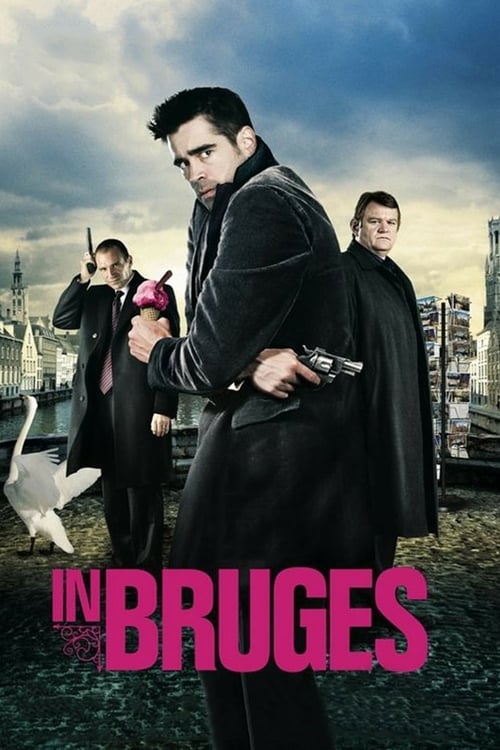
In Bruges
2008 · Directed by Martin McDonagh
Woke Score
CriticCritic Score
Audience
Ultra Based
Critics rated this 63 points above its woke score. Among Ultra Based films, this critic score ranks #710 of 1469.
Representation Casting
Score: 15/100
The cast includes various nationalities and a character with dwarfism, but these are presented incidentally rather than as deliberate representation statements. The film shows diversity without commentary.
LGBTQ+ Themes
Score: 0/100
No LGBTQ+ themes, characters, or storylines present in the film.
Feminist Agenda
Score: 0/100
No feminist agenda or thematic exploration of gender dynamics animates the narrative.
Racial Consciousness
Score: 0/100
The film contains no exploration of racial themes, racial justice, or racial consciousness.
Climate Crusade
Score: 0/100
No climate themes or environmental consciousness present in the film.
Eat the Rich
Score: 0/100
The film contains no anti-capitalist messaging or critique of wealth and economic systems.
Body Positivity
Score: 0/100
No body positivity messaging or thematic exploration of body representation present.
Neurodivergence
Score: 0/100
No representation of neurodivergence or related themes in the film.
Revisionist History
Score: 0/100
The film contains no revisionist historical narratives or reframing of historical events.
Lecture Energy
Score: 5/100
While the film contains philosophical dialogue about morality and conscience, this operates as character exploration rather than preachy messaging to the audience.


Synopsis
Ray and Ken, two hit men, are in Bruges, Belgium, waiting for their next mission. While they are there they have time to think and discuss their previous assignment. When the mission is revealed to Ken, it is not what he expected.
Consciousness Assessment
In Bruges represents a pre-awakening artifact of early 21st-century cinema, a film concerned with moral philosophy and the consequences of violence rather than contemporary social consciousness. The film presents a diverse cast somewhat incidentally to its narrative, with characters of various nationalities and backgrounds appearing because they inhabit this medieval Belgian city and its criminal underworld, not because of any deliberate statement about representation. Jordan Prentice appears as a film director with dwarfism, a character who exists as a functional part of the story without the film offering any thematic commentary on disability or accessibility.
The work is entirely devoid of contemporary progressive sensibilities. There is no LGBTQ+ dimension to explore, no feminist framework animating the narrative, no climate consciousness, no anti-capitalist posturing, no body positivity messaging, no neurodivergence representation, and no revisionist history. The film's violence carries moral weight and philosophical gravity, but this operates in a register entirely separate from what we might recognize as social consciousness. McDonagh treats his subject matter with dark comedy and emotional complexity, but the film is fundamentally uninterested in the broader cultural conversations that would later define a decade of cinema.
The minimal score reflects not quality or moral seriousness, which the film possesses in abundance, but rather its temporal distance from the markers of contemporary progressive filmmaking. This is a film from before the cultural shift that would reshape expectations around representation and thematic messaging. To score it higher would be to project backward anachronistically, to mistake a thoughtful exploration of conscience for something it was never attempting to be.
Analysis generated by our Consciousness Algorithm
Critic Reviews
“An endlessly surprising, very dark, human comedy, with a plot that cannot be foreseen but only relished.”
“The movie gradually deepens from odd-couple comedy into Catholic-themed drama, but it remains marvelously funny throughout. Instead of hitting the easy notes of black humor, McDonagh skillfully modulates between broad character laughs and the men's piercing anguish as the story nears its bloody conclusion.”
“When it's funny, it's hilarious; when it's serious, it's powerful; and either way, it's an endless pleasant surprise.”
“No one wants a movie that tiptoes in step with political correctness, yet the willful opposite can be equally noxious, and, as In Bruges barges and blusters its way through dwarf jokes, child-abuse jokes, jokes about fat black women, and moldy old jokes about Americans, it runs the risk of pleasing itself more than its paying viewers.”
Consciousness Markers
The cast includes various nationalities and a character with dwarfism, but these are presented incidentally rather than as deliberate representation statements. The film shows diversity without commentary.
No LGBTQ+ themes, characters, or storylines present in the film.
No feminist agenda or thematic exploration of gender dynamics animates the narrative.
The film contains no exploration of racial themes, racial justice, or racial consciousness.
No climate themes or environmental consciousness present in the film.
The film contains no anti-capitalist messaging or critique of wealth and economic systems.
No body positivity messaging or thematic exploration of body representation present.
No representation of neurodivergence or related themes in the film.
The film contains no revisionist historical narratives or reframing of historical events.
While the film contains philosophical dialogue about morality and conscience, this operates as character exploration rather than preachy messaging to the audience.