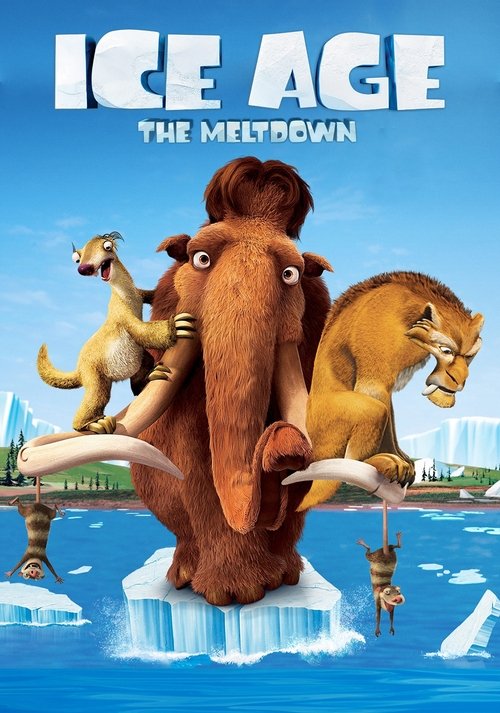
Ice Age: The Meltdown
2006 · Directed by Carlos Saldanha
Woke Score
CriticCritic Score
Audience
Ultra Based
Critics rated this 51 points above its woke score. Among Ultra Based films, this critic score ranks #932 of 1469.
Representation Casting
Score: 25/100
The voice cast includes performers of color like Queen Latifah, but this reflects practical entertainment casting rather than deliberate diversity commitment. No characters engage with racial identity as a narrative element.
LGBTQ+ Themes
Score: 0/100
The film contains no LGBTQ+ representation or themes. Romantic subplots exist but remain strictly heteronormative and conventional.
Feminist Agenda
Score: 15/100
Female characters exist in the narrative but occupy traditional comedic and supporting roles. No meaningful engagement with gender politics or feminist themes.
Racial Consciousness
Score: 0/100
The film demonstrates no racial consciousness or engagement with race as a social category. Characters are animals presented without racial context.
Climate Crusade
Score: 35/100
While the plot involves catastrophic climate change, it is treated as natural disaster setup for comedy rather than as a call for environmental consciousness or behavioral change.
Eat the Rich
Score: 0/100
The film contains no critique of capitalism or economic systems. No engagement with class consciousness or wealth inequality.
Body Positivity
Score: 10/100
Sid the sloth is portrayed as comedically clumsy but the humor does not engage with body positivity as a cultural statement. Physical comedy remains traditional.
Neurodivergence
Score: 0/100
The film contains no representation of neurodivergence or engagement with neurodivergent identity as a narrative element.
Revisionist History
Score: 0/100
The film is set in prehistoric times and contains no historical revisionism or reframing of historical narratives.
Lecture Energy
Score: 5/100
The film is structured as straightforward entertainment without preachy messaging or moral lectures embedded in its narrative.


Synopsis
Diego, Manny and Sid return in this sequel to the hit animated movie Ice Age. This time around, the deep freeze is over, and the ice-covered earth is starting to melt, which will destroy the trio's cherished valley. The impending disaster prompts them to reunite and warn all the other beasts about the desperate situation.
Consciousness Assessment
Ice Age: The Meltdown presents a curious historical artifact in animated cinema. The film's plot, centered on the catastrophic melting of the ice age, might suggest an engagement with environmental consciousness, yet the narrative treats this existential threat primarily as comedic backdrop and survival adventure. The environmental destruction functions as setup for slapstick humor and character-driven hijinks rather than as a genuine call for ecological awareness or behavioral change. We are witnessing a film that exists before the contemporary moment when animated features began incorporating explicit social messaging as a structural element.
The voice cast includes performers of varying ethnic backgrounds, including Queen Latifah and Denis Leary, though this casting reflects practical entertainment considerations rather than any deliberate commitment to representation. The film's comedic sensibility remains rooted in physical humor and established animated conventions, with no particular engagement to racial identity, gender politics, or social structures. Sid the sloth, voiced by John Leguizamo, occupies a comedic role that does not attempt to engage with disability representation as a cultural statement.
Ice Age: The Meltdown resists classification as a vehicle for progressive sensibilities. The film predates the era when mainstream animation began incorporating explicit diversity initiatives and social consciousness as core narrative elements. It is apolitical family entertainment, operating through character personality and slapstick rather than through commentary on social systems or identity. This is a work that simply does not engage with the specific constellation of cultural concerns that define modern social consciousness, making it a straightforward example of mainstream cinema from before such considerations became industry standard.
Analysis generated by our Consciousness Algorithm
Critic Reviews
“Ice Age: The Meltdown blithely looks on the bright side of life, amassing a screen full of vultures to sing and dance ''Food Glorious Food'' and daring us not to get happy.”
“So many movies these days are being linked, often quite tenuously, to current politics. Let this new film be no exception. I am happy to say that Ice Age: The Meltdown points up for toddlers the dangers of global warming.”
“Reuniting the mismatched heroes from its hit predecessor, Carlos Saldanha's mix of race-against-time action and eco-friendly propaganda is actually an improvement on the original, not least for giving its funniest character - acorn-hunting rodent Scrat - a lot more to do.”
“A romantic subplot about a possum-raised mammoth (Queen Latifah!) tries to put the warm in global warming, but the unappealing character designs, incessant celebrity-voice chatter, and slickly inexpressive 3-D animation thwart any emotional pull.”
Consciousness Markers
The voice cast includes performers of color like Queen Latifah, but this reflects practical entertainment casting rather than deliberate diversity commitment. No characters engage with racial identity as a narrative element.
The film contains no LGBTQ+ representation or themes. Romantic subplots exist but remain strictly heteronormative and conventional.
Female characters exist in the narrative but occupy traditional comedic and supporting roles. No meaningful engagement with gender politics or feminist themes.
The film demonstrates no racial consciousness or engagement with race as a social category. Characters are animals presented without racial context.
While the plot involves catastrophic climate change, it is treated as natural disaster setup for comedy rather than as a call for environmental consciousness or behavioral change.
The film contains no critique of capitalism or economic systems. No engagement with class consciousness or wealth inequality.
Sid the sloth is portrayed as comedically clumsy but the humor does not engage with body positivity as a cultural statement. Physical comedy remains traditional.
The film contains no representation of neurodivergence or engagement with neurodivergent identity as a narrative element.
The film is set in prehistoric times and contains no historical revisionism or reframing of historical narratives.
The film is structured as straightforward entertainment without preachy messaging or moral lectures embedded in its narrative.