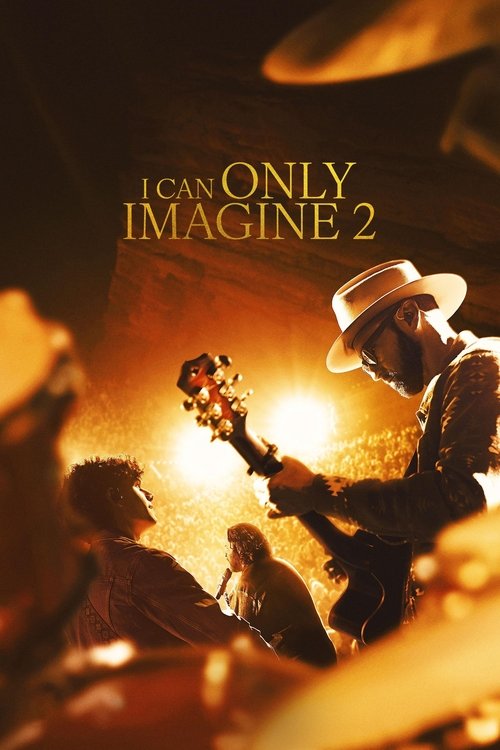
I Can Only Imagine 2
2026 · Directed by Brent McCorkle
Woke Score
CriticCritic Score
Audience
Ultra Based
Critics rated this 35 points above its woke score. Among Ultra Based films, this critic score ranks #1293 of 1469.
Representation Casting
Score: 25/100
The cast includes actors of various ethnicities in roles that exist naturally within the narrative. There is no indication that casting decisions were made to signal progressive values.
LGBTQ+ Themes
Score: 0/100
No LGBTQ+ themes or characters are evident in the film's plot or cast based on available information.
Feminist Agenda
Score: 15/100
Shannon is presented as Bart's supportive wife and partner in family healing, but the narrative centers male experience and crisis rather than exploring feminist themes.
Racial Consciousness
Score: 10/100
While the cast includes people of color, there is no indication the film engages with racial themes or systemic inequality as part of its narrative.
Climate Crusade
Score: 0/100
No climate-related themes or messaging appear in the film.
Eat the Rich
Score: 5/100
The film touches on fame's corrupting influence on family relationships but does not critique capitalism or economic systems as such.
Body Positivity
Score: 0/100
No body positivity themes or commentary are evident in the available information about the film.
Neurodivergence
Score: 5/100
Bart's son has diabetes, but this appears to be used as plot motivation rather than genuine neurodivergent representation or advocacy.
Revisionist History
Score: 0/100
The film is a biographical drama about recent events, not historical narrative requiring revisionism.
Lecture Energy
Score: 20/100
The film relies on spiritual testimony and faith-based messaging but does not adopt a preachy tone about social or political issues.
Synopsis
After the breakout success of the song 'I Can Only Imagine', MercyMe's Bart Millard is living the dream—sold-out arenas, a devoted fanbase, and a thriving career. But behind the spotlight, Bart's past threatens the family he's built, especially the fragile bond with his son Sam. When hopeful newcomer Tim Timmons joins the band for their biggest tour yet, he unknowingly brings a renewed gratitude to Bart's life through their unlikely friendship. Bart soon discovers that Tim carries hardships—and secrets—of his own, forcing him to face his past and repair his relationships with Sam and his wife Shannon before fame costs him what matters most.
Consciousness Assessment
I Can Only Imagine 2 occupies the comfortable middle ground of contemporary Christian cinema, which is to say it occupies no ground of particular cultural provocation whatsoever. The film concerns itself with family reconciliation, the perils of fame, and the sustaining power of faith, all themes of genuine human import but none that carry the markers of modern progressive social consciousness. Bart Millard's journey toward healing his relationship with his son and confronting his past demonstrates emotional maturity within its chosen register. The narrative asks us to consider how spiritual belief sustains people through hardship, a proposition that has proven durable across centuries and genres.
What distinguishes this sequel from scoring higher on measures of contemporary cultural awareness is its fundamental indifference to such measures. The cast, while diverse in the ordinary sense that films contain people of varying appearances, shows no indication that this diversity functions as a statement. The film's concerns are inward and spiritual rather than outward and political. There is no interrogation of systemic structures, no climate anxiety, no meditation on capitalist excess beyond the generic observation that fame can corrupt. Millard's son has diabetes, which appears to be treated as plot device rather than opportunity for neurodivergent representation. The film is a work about a Christian musician that Christians have made for Christians, executed with sincerity and without self-consciousness about its place in the broader cultural conversation.
The absence of lecture energy should not be mistaken for virtue. The film simply has other business to attend to. It prefers the language of hymn and spiritual testimony to that of social analysis. Whether this represents strength or limitation depends entirely on what one expects from a film bearing this pedigree. The result is a work of modest ambition that makes no apologies for its commitments.
Analysis generated by our Consciousness Algorithm
Critic Reviews
“This movie is designed for an audience already dedicated to the music of Millard and Timmons, and to the particular Christian tradition they represent. Those who are already fans will appreciate this chance to share his story, but those who do not know him may find it uninspiring.”
“Ventimiglia becomes the sequel’s saving grace.”
“More inarticulate than outright bad, I Can Only Imagine 2 re-packages a heap of barely legible dramatic and comedic shorthand as an uplifting testament to “the goodness of God.” It’s mostly inoffensive, but also doesn’t really have anything to say.”
“Laborious and dull, I Can Only Imagine 2 only comes to life in the comedic scenes featuring Ventimiglia, who buries his handsomeness in a buzz-cut, full beard, and Buddy Holly-style glasses to resemble Timmons.”
Consciousness Markers
The cast includes actors of various ethnicities in roles that exist naturally within the narrative. There is no indication that casting decisions were made to signal progressive values.
No LGBTQ+ themes or characters are evident in the film's plot or cast based on available information.
Shannon is presented as Bart's supportive wife and partner in family healing, but the narrative centers male experience and crisis rather than exploring feminist themes.
While the cast includes people of color, there is no indication the film engages with racial themes or systemic inequality as part of its narrative.
No climate-related themes or messaging appear in the film.
The film touches on fame's corrupting influence on family relationships but does not critique capitalism or economic systems as such.
No body positivity themes or commentary are evident in the available information about the film.
Bart's son has diabetes, but this appears to be used as plot motivation rather than genuine neurodivergent representation or advocacy.
The film is a biographical drama about recent events, not historical narrative requiring revisionism.
The film relies on spiritual testimony and faith-based messaging but does not adopt a preachy tone about social or political issues.