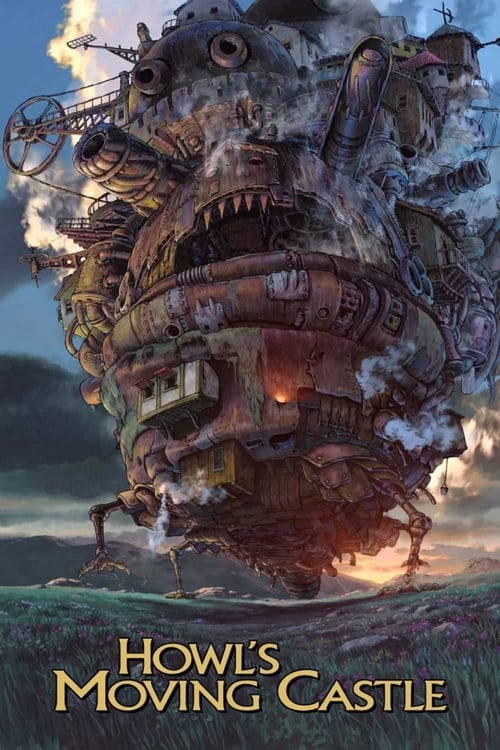
Howl's Moving Castle
2004 · Directed by Hayao Miyazaki
Woke Score
CriticCritic Score
Audience
Based
Critics rated this 60 points above its woke score. Among Based films, this critic score ranks #58 of 345.
Representation Casting
Score: 25/100
The film features a Japanese voice cast in a fantasy setting, but this reflects production context rather than deliberate diversity casting. Sophie's elderly form provides age representation, though this stems from the fantasy premise rather than intentional inclusion.
LGBTQ+ Themes
Score: 0/100
No explicit LGBTQ+ themes, representation, or commentary present in the film. While some characters could be subject to modern interpretation, the film itself contains no such content.
Feminist Agenda
Score: 45/100
Sophie's journey meaningfully challenges beauty standards and explores female agency and autonomy. However, this reflects pre-2020s humanist feminism rather than contemporary progressive sensibilities. The film subverts gender expectations through narrative rather than explicit cultural commentary.
Racial Consciousness
Score: 0/100
No racial consciousness or commentary present in the film. The fantasy setting and Japanese production context do not constitute engagement with modern racial discourse.
Climate Crusade
Score: 5/100
The film depicts a fantasy world with environmental elements and contains implicit antiwar sentiment, but lacks explicit climate activism or environmental consciousness movement themes.
Eat the Rich
Score: 15/100
Implicit critique of militarism and political power structures exists, but the film contains no explicit anti-capitalist messaging or class consciousness as understood in contemporary discourse.
Body Positivity
Score: 30/100
Sophie's acceptance of her elderly body and the film's dismissal of vanity contain elements aligned with body acceptance philosophy. However, these emerge from fairy tale logic and humanist values rather than modern body positivity movement discourse.
Neurodivergence
Score: 0/100
No representation of or engagement with neurodivergence in the film.
Revisionist History
Score: 0/100
While the film contains fantasy worldbuilding and antiwar themes, it does not engage in revisionist commentary on real historical events or narratives.
Lecture Energy
Score: 10/100
The film conveys its themes through narrative and character development rather than explicit preachy messaging. Antiwar sentiment approaches this marker mildly but remains embedded in story logic.


Synopsis
Sophie, a young milliner, is turned into an elderly woman by a witch who enters her shop and curses her. She encounters a wizard named Howl and gets caught up in his resistance to fighting for the king.
Consciousness Assessment
Howl's Moving Castle remains a masterwork of animated fantasy, though one must resist the temptation to retrofit contemporary cultural categories onto its 2004 sensibilities. The film's treatment of Sophie's transformation and the rejection of beauty standards as the measure of a woman's worth constitute a genuine humanist statement, but one that belongs to a different genealogy than modern progressive discourse. Miyazaki's pacifism and critique of militarism permeate the narrative, yet these emerge from the director's personal philosophy rather than from any organized movement for social consciousness. The film asks us to value Sophie for her competence, wisdom, and agency, but it does so through the logic of fairy tales and character development, not through the explicit identity markers that define contemporary cultural conversations.
The casting is naturally diverse within the context of a Japanese production, and the supporting characters include women in various roles and stations. However, this reflects the storytelling traditions of Diana Wynne Jones' source material and Japanese animation conventions rather than a deliberate commitment to representation politics. Howl himself, with his vanity and emotional sensitivity, occupies a space that some modern viewers might read through various interpretive lenses, but the film itself offers no such commentary. The romance between Sophie and Howl is built on mutual respect and acceptance of flaws, which aligns with humanist values but predates the contemporary frameworks through which we now discuss such themes.
The film is a work of considerable artistic merit that happens to contain progressive elements without being progressive in the modern sense. It belongs to a different era, addressed to different concerns, and scored accordingly.
Analysis generated by our Consciousness Algorithm
Critic Reviews
“Though it's difficult to work out what's going on, it's never boring.”
“An organic, childlike wonder, fabulously unpredictable and seethingly inventive.”
“You run across animation this ingenious about as often as a moving castle comes your way.”
“Miyazaki, like an evil sorcerer, has plucked the heart out of Jones's story and left it there to die.”
Consciousness Markers
The film features a Japanese voice cast in a fantasy setting, but this reflects production context rather than deliberate diversity casting. Sophie's elderly form provides age representation, though this stems from the fantasy premise rather than intentional inclusion.
No explicit LGBTQ+ themes, representation, or commentary present in the film. While some characters could be subject to modern interpretation, the film itself contains no such content.
Sophie's journey meaningfully challenges beauty standards and explores female agency and autonomy. However, this reflects pre-2020s humanist feminism rather than contemporary progressive sensibilities. The film subverts gender expectations through narrative rather than explicit cultural commentary.
No racial consciousness or commentary present in the film. The fantasy setting and Japanese production context do not constitute engagement with modern racial discourse.
The film depicts a fantasy world with environmental elements and contains implicit antiwar sentiment, but lacks explicit climate activism or environmental consciousness movement themes.
Implicit critique of militarism and political power structures exists, but the film contains no explicit anti-capitalist messaging or class consciousness as understood in contemporary discourse.
Sophie's acceptance of her elderly body and the film's dismissal of vanity contain elements aligned with body acceptance philosophy. However, these emerge from fairy tale logic and humanist values rather than modern body positivity movement discourse.
No representation of or engagement with neurodivergence in the film.
While the film contains fantasy worldbuilding and antiwar themes, it does not engage in revisionist commentary on real historical events or narratives.
The film conveys its themes through narrative and character development rather than explicit preachy messaging. Antiwar sentiment approaches this marker mildly but remains embedded in story logic.