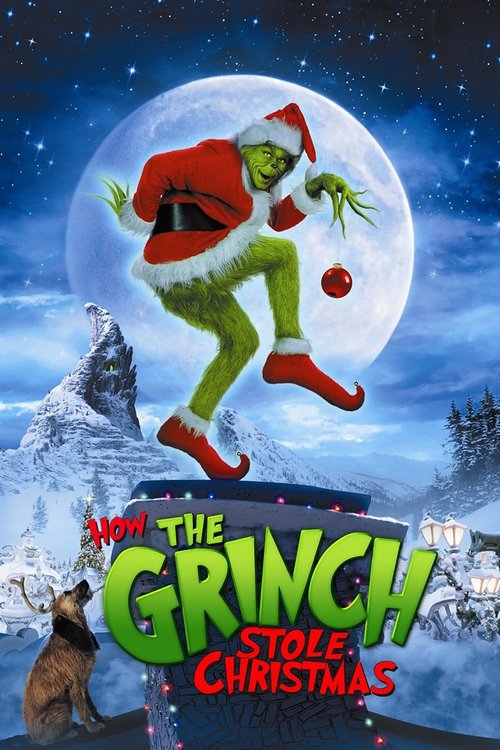
How the Grinch Stole Christmas
2000 · Directed by Ron Howard
Woke Score
CriticCritic Score
Audience
Ultra Based
Critics rated this 38 points above its woke score. Among Ultra Based films, this critic score ranks #1249 of 1469.
Representation Casting
Score: 15/100
The cast is predominantly white with no deliberate diversity initiatives. Taylor Momsen, a young female actor, is cast in a significant role, but this reflects traditional family film casting rather than progressive representation choices.
LGBTQ+ Themes
Score: 0/100
No LGBTQ+ themes, characters, or representation present in the film. The narrative is entirely heteronormative and focused on family structures.
Feminist Agenda
Score: 8/100
Female characters exist in supporting roles without agency or depth. Cindy Lou Who is a vehicle for male character redemption rather than a complex female protagonist.
Racial Consciousness
Score: 0/100
No engagement with racial themes or racial consciousness. The fantasy setting of Whoville exists outside any racial or ethnic context.
Climate Crusade
Score: 0/100
No environmental or climate-related themes appear in the narrative. The Grinch's motivation involves Christmas theft, not ecological concerns.
Eat the Rich
Score: 20/100
The original Seussian text contains mild anti-consumerist elements. The film retains a vague critique of material excess, but it is never developed into genuine systemic critique.
Body Positivity
Score: 0/100
No body positivity messaging present. The Grinch's physical appearance is treated as grotesque and comedic rather than as an opportunity for inclusion or acceptance messaging.
Neurodivergence
Score: 0/100
No representation of neurodivergence or neurodivergent characters. The Grinch's alienation is presented as a moral failing rather than neurodivergent experience.
Revisionist History
Score: 0/100
The film is set in a timeless fantasy realm and contains no historical content or revisionist historical elements.
Lecture Energy
Score: 10/100
The film concludes with gentle messages about the importance of kindness and family, but these are delivered through plot resolution rather than preachy exposition.


Synopsis
The Grinch decides to rob Whoville of Christmas - but a dash of kindness from little Cindy Lou Who and her family may be enough to melt his heart...
Consciousness Assessment
Ron Howard's 2000 adaptation of "How the Grinch Stole Christmas" is a technically proficient exercise in holiday spectacle that mistakes Jim Carrey's frenetic energy for character development. The film inherits from Seuss's original text a vague discomfort with material excess, though this critique is so diffuse and ultimately toothless that it barely registers as social commentary. The Whos of Whoville bustle about in a candy-colored fantasy realm, their prosperity never examined with any rigor or complexity. The story concludes that the Grinch's heart grows three sizes not through any structural critique of capitalism or consumerism, but through the simple application of familial warmth and acceptance.
The film's approach to representation is thoroughly incidental. Taylor Momsen plays Cindy Lou Who with appropriate precocious charm, but her character exists primarily to soften the Grinch through the universal language of childhood innocence. The supporting cast is competent but interchangeable. There is no interrogation of gender roles, no meaningful diversity in the ensemble, no acknowledgment of any social reality beyond the hermetically sealed fantasy of Whoville. The Grinch himself, despite his isolation and alienation from society, is never positioned as a vehicle for examining systemic inequality or social exclusion.
This is a film entirely comfortable with the status quo, dressed up in elaborate prosthetics and set design. The woke quotient hovers near zero because the film simply does not engage with the cultural markers of contemporary progressive consciousness at any meaningful level.
Analysis generated by our Consciousness Algorithm
Critic Reviews
“With Carrey hitting a career peak, this Grinch doesn't steal Christmas; it restores the season by helping energize us enough to make it through the whole thing.”
“He's (Carrey) a marvelous Grinch in this spirited, bustling and mostly faithful spin on Seuss.”
“You will not like it on the screen, you will not like it -- not one scene!”
Consciousness Markers
The cast is predominantly white with no deliberate diversity initiatives. Taylor Momsen, a young female actor, is cast in a significant role, but this reflects traditional family film casting rather than progressive representation choices.
No LGBTQ+ themes, characters, or representation present in the film. The narrative is entirely heteronormative and focused on family structures.
Female characters exist in supporting roles without agency or depth. Cindy Lou Who is a vehicle for male character redemption rather than a complex female protagonist.
No engagement with racial themes or racial consciousness. The fantasy setting of Whoville exists outside any racial or ethnic context.
No environmental or climate-related themes appear in the narrative. The Grinch's motivation involves Christmas theft, not ecological concerns.
The original Seussian text contains mild anti-consumerist elements. The film retains a vague critique of material excess, but it is never developed into genuine systemic critique.
No body positivity messaging present. The Grinch's physical appearance is treated as grotesque and comedic rather than as an opportunity for inclusion or acceptance messaging.
No representation of neurodivergence or neurodivergent characters. The Grinch's alienation is presented as a moral failing rather than neurodivergent experience.
The film is set in a timeless fantasy realm and contains no historical content or revisionist historical elements.
The film concludes with gentle messages about the importance of kindness and family, but these are delivered through plot resolution rather than preachy exposition.