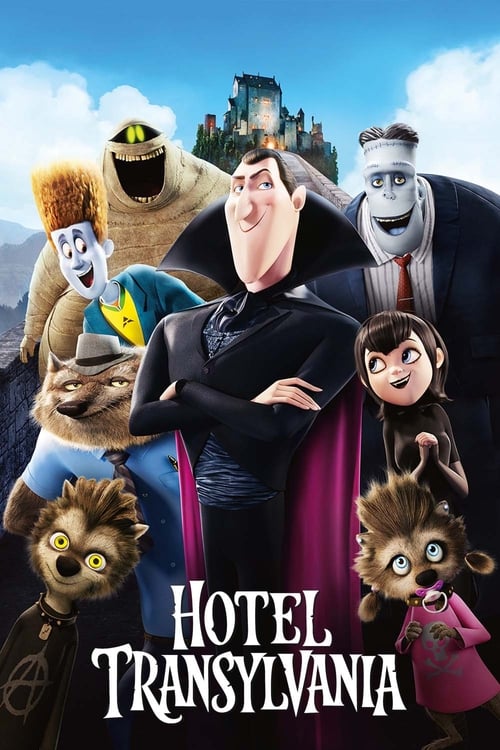
Hotel Transylvania
2012 · Directed by Genndy Tartakovsky
Woke Score
CriticCritic Score
Audience
Ultra Based
Critics rated this 43 points above its woke score. Among Ultra Based films, this critic score ranks #1222 of 1469.
Representation Casting
Score: 10/100
Selena Gomez is featured as the voice of Mavis, and the ensemble cast includes performers of various backgrounds. However, this appears to be standard studio casting practice rather than deliberate representation strategy.
LGBTQ+ Themes
Score: 0/100
The film contains no LGBTQ+ characters, relationships, or themes. The romantic subplot is heterosexual and conventional.
Feminist Agenda
Score: 5/100
Mavis is an independent young woman who pursues her own desires against her father's overprotective objections, but this is a standard coming-of-age dynamic rather than explicit feminist ideology.
Racial Consciousness
Score: 0/100
The film contains no engagement with racial themes, racial consciousness, or commentary on racial dynamics. The characters are monsters and humans, not differentiated by race.
Climate Crusade
Score: 0/100
There is no environmental messaging, climate commentary, or ecological consciousness in the film.
Eat the Rich
Score: 0/100
The film does not critique capitalism or wealth. Dracula's luxurious resort is presented as a fun vacation destination, not as a target for class commentary.
Body Positivity
Score: 0/100
The film contains no body positivity messaging or commentary on body image and beauty standards.
Neurodivergence
Score: 0/100
There is no representation of or commentary regarding neurodivergence in the film.
Revisionist History
Score: 0/100
The film is a fantasy comedy with no historical setting or engagement with historical events or narratives.
Lecture Energy
Score: 0/100
The film is a straightforward comedy that does not attempt to educate the audience about social issues or progressive principles.


Synopsis
Welcome to Hotel Transylvania, Dracula's lavish five-stake resort, where monsters and their families can live it up and no humans are allowed. One special weekend, Dracula has invited all his best friends to celebrate his beloved daughter Mavis's 118th birthday. For Dracula catering to all of these legendary monsters is no problem but the party really starts when one ordinary guy stumbles into the hotel and changes everything.
Consciousness Assessment
Hotel Transylvania is a family comedy animated film that exists entirely outside the cultural conversations that would later define the 2020s progressive landscape. Released in 2012, it predates the emergence of what one might call "social consciousness cinema" by several years, and this temporal distance shows. The film concerns itself with the universal themes of overprotective parenting and generational conflict, expressed through the lens of monster comedy. Dracula's anxiety about his daughter Mavis and his eventual acceptance of her romantic autonomy might suggest some feminist sensibility, but this would be to mistake basic familial dynamics for cultural commentary.
The film's cast includes Selena Gomez in a prominent voice role and features characters voiced by performers from various backgrounds, yet this appears to be the natural result of casting for a major studio comedy rather than any deliberate commitment to representation casting. The monsters themselves, by virtue of being monsters, might be read as metaphors for outsiders, but the film offers no explicit engagement with this reading. There is no lecture about acceptance, no framing of difference as a pedagogical moment, and no sense that the narrative exists to teach the audience about social justice principles. It is simply a comedy about a vampire dad and his friends.
The film's fundamental lack of contemporary progressive markers is not a failure or a success. It is simply an artifact of its era, made before the specific cultural conversation about representation, environmental consciousness, and systemic critique became embedded in mainstream entertainment discourse. By the standards of 2024 cinema, Hotel Transylvania reads as culturally inert, a comedy that entertained audiences without attempting to reshape their consciousness regarding any social issue. This is neither a vice nor a virtue in the context of a children's animated film from 2012.
Analysis generated by our Consciousness Algorithm
Critic Reviews
“Hotel Transylvania is very different from its contemporaries. You just wish that, with so much emphasis on chaos, they could have spent a little more time on character.”
“Hotel Transylvania doesn't raise the bar for animation or comedy but it's fun, and nice for once to have a different reason to say "boo" after an Adam Sandler flick.”
“There's enough here to entertain - and gross out - the kiddie crowd, and parental units, too ”
“As for Hotel Transylvania,, no need to put a stake in it, it's deadly dull already.”
Consciousness Markers
Selena Gomez is featured as the voice of Mavis, and the ensemble cast includes performers of various backgrounds. However, this appears to be standard studio casting practice rather than deliberate representation strategy.
The film contains no LGBTQ+ characters, relationships, or themes. The romantic subplot is heterosexual and conventional.
Mavis is an independent young woman who pursues her own desires against her father's overprotective objections, but this is a standard coming-of-age dynamic rather than explicit feminist ideology.
The film contains no engagement with racial themes, racial consciousness, or commentary on racial dynamics. The characters are monsters and humans, not differentiated by race.
There is no environmental messaging, climate commentary, or ecological consciousness in the film.
The film does not critique capitalism or wealth. Dracula's luxurious resort is presented as a fun vacation destination, not as a target for class commentary.
The film contains no body positivity messaging or commentary on body image and beauty standards.
There is no representation of or commentary regarding neurodivergence in the film.
The film is a fantasy comedy with no historical setting or engagement with historical events or narratives.
The film is a straightforward comedy that does not attempt to educate the audience about social issues or progressive principles.