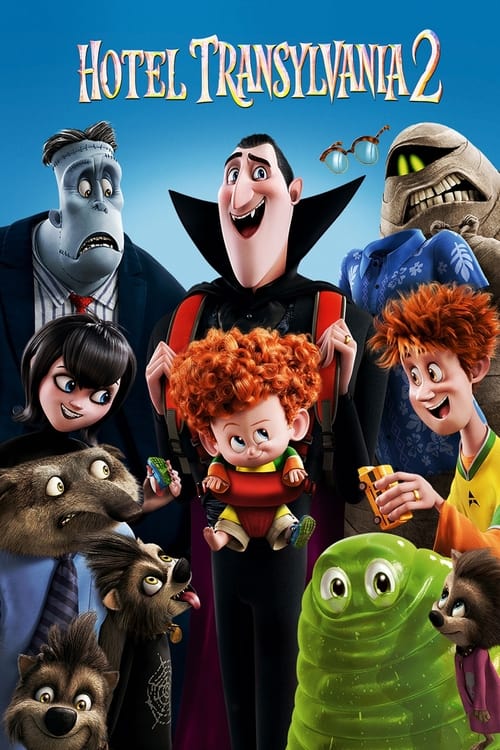
Hotel Transylvania 2
2015 · Directed by Genndy Tartakovsky
Woke Score
CriticCritic Score
Audience
Ultra Based
Critics rated this 40 points above its woke score. Among Ultra Based films, this critic score ranks #1280 of 1469.
Representation Casting
Score: 10/100
The cast includes voice actors from diverse comedy backgrounds, but the film makes no thematic point of representation or inclusion. Casting appears driven by comedic talent rather than conscious diversity efforts.
LGBTQ+ Themes
Score: 0/100
No LGBTQ+ themes, characters, or representation present in the film.
Feminist Agenda
Score: 0/100
No feminist themes or commentary. Female characters exist in supporting roles without any agenda related to gender equality or women's experiences.
Racial Consciousness
Score: 0/100
No racial consciousness or commentary on systemic racism. The film's characters are predominantly white or non-human, with no engagement of racial themes.
Climate Crusade
Score: 0/100
No climate-related messaging or environmental consciousness in the film.
Eat the Rich
Score: 0/100
No anti-capitalist themes or critique of wealth and economic systems. The hotel setting is treated as a neutral backdrop.
Body Positivity
Score: 0/100
No body positivity messaging or commentary on body standards. Character designs are conventional animated comedy archetypes.
Neurodivergence
Score: 0/100
No representation of neurodivergence or engagement with disability themes.
Revisionist History
Score: 0/100
No revisionist history or reimagining of historical events. The film uses vampire mythology as fantasy backdrop only.
Lecture Energy
Score: 5/100
Minimal lecture energy, though the film does include occasional moral messages about family acceptance delivered through character dialogue rather than preachy exposition.


Synopsis
When the old-old-old-fashioned vampire Vlad arrives at the hotel for an impromptu family get-together, Hotel Transylvania is in for a collision of supernatural old-school and modern day cool.
Consciousness Assessment
Hotel Transylvania 2 is a mainstream family animated comedy that operates within firmly conventional parameters. The film's central conflict revolves around generational anxiety and family acceptance, themes that have animated comedy for decades. Dracula fears his son-in-law's parenting abilities, a setup that could have explored broader questions about non-traditional family structures, but instead resolves itself through straightforward sentiment and physical comedy. The interspecies marriage at the heart of the plot functions as a quirky fantasy premise rather than a genuine engagement with questions of difference or belonging.
The cast, while featuring some voice talent associated with sketch comedy and contemporary entertainment, reflects the standard approach of mainstream animation in the mid-2010s. There is no discernible attempt to foreground underrepresented communities in meaningful roles, nor any thematic engagement with contemporary social concerns. The film's humor derives from slapstick, situational comedy, and the contrast between traditional vampire culture and modern sensibilities, but this contrast operates at the level of generational comedy rather than cultural commentary.
This is a film designed to be inoffensive and commercially viable, which it achieved. It contains no identifiable markers of 2020s-style progressive cultural awareness. The film is simply a family comedy about monsters who learn to value each other, a premise that requires no contemporary cultural lens to execute.
Analysis generated by our Consciousness Algorithm
Critic Reviews
“Whereas the jokes in the “Grown Ups” series feel reactionary and bullying, the family-friendly Hotel Transylvania gags (in the script by Sandler and Robert Smigel) instead come off as clever and humane, even when they’re making fun of helicopter moms and lawsuit-sensitive summer camps.”
“The spookiest thing about Hotel Transylvania 2 is how much funnier, colorful and more original it is this second time around.”
“This time around, greater attention has been paid to story and character development (while scaling back on all the sight gags) and the substantial results give the ample voice cast and returning director Genndy Tartakovsky more to sink their teeth into, with pleasing results.”
“Where's a wooden stake when you need one? ”
Consciousness Markers
The cast includes voice actors from diverse comedy backgrounds, but the film makes no thematic point of representation or inclusion. Casting appears driven by comedic talent rather than conscious diversity efforts.
No LGBTQ+ themes, characters, or representation present in the film.
No feminist themes or commentary. Female characters exist in supporting roles without any agenda related to gender equality or women's experiences.
No racial consciousness or commentary on systemic racism. The film's characters are predominantly white or non-human, with no engagement of racial themes.
No climate-related messaging or environmental consciousness in the film.
No anti-capitalist themes or critique of wealth and economic systems. The hotel setting is treated as a neutral backdrop.
No body positivity messaging or commentary on body standards. Character designs are conventional animated comedy archetypes.
No representation of neurodivergence or engagement with disability themes.
No revisionist history or reimagining of historical events. The film uses vampire mythology as fantasy backdrop only.
Minimal lecture energy, though the film does include occasional moral messages about family acceptance delivered through character dialogue rather than preachy exposition.